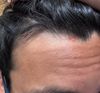
EDHARRINGTON's journey to regrow his hair using finasteride, topical minoxidil, and micro-needling treatments over 4 years, with others commenting their support and admiration for his results.
Minoxidil and finasteride are being considered for hair loss due to seborrheic dermatitis and male pattern baldness. The user is also using ketoconazole and zinc pyrithione shampoo.
New hair loss treatments like PP-405, AMP-303, and SCUBE3 are being discussed, but none are confirmed to fully restore hairlines. Current treatments like Minoxidil, Finasteride, and RU58841 are still widely used, with some hope for future advancements in hair regrowth.
A user shared their 4-year progress using topical minoxidil and 1mg finasteride daily for hair regrowth, noting plans to reduce finasteride due to minor side effects. They emphasized consistency as key to success, with noticeable improvements in hair density and color.
Minoxidil and finasteride are discussed for hair loss, with concerns about minoxidil's heart-related side effects. New treatments like PP405 are met with skepticism, often humorously noted as always being "five years away."
Minoxidil is applied beyond the crown, including the hairline and other areas, despite labels suggesting crown use only. Users report success with broader application, and some prefer oral minoxidil for convenience.
Calecim (PTT-6) Advanced Hair System is a 6-week hair restoration product using stem cell-derived ingredients to stimulate hair growth. Users are skeptical, calling it overpriced and ineffective, suggesting alternatives like LLLT devices or PRP treatments.
VDPHL01 shows faster and stronger hair growth compared to standard minoxidil, with no major side effects reported. Users discuss combining it with other treatments like dutasteride and finasteride for better results, while expressing skepticism about the effectiveness of PP405.
The post discusses the impact of Ashwagandha on hair loss, highlighting its ability to lower stress levels, which is beneficial for hair health. However, there's uncertainty about its potential to increase testosterone and DHT, which could contribute to hair loss.
A user found a solution for Minoxidil-induced dandruff by using a custom NRF 11.121 mixture from a local pharmacy, which includes ingredients like Isopropyl palmitate and Cremophor RH 40. This formulation prevents dryness and allows better penetration when using hair shaders.
The conversation is about the use of peptide therapies for hair loss, specifically GHK-CU, ZN-Thymulin, and PTD-DBM. The user is seeking feedback on the effectiveness of these treatments from those who have tried them.
The conversation discusses the HMI-115 trial for hair loss, which was expected to end around July 2023 due to a late participant. Participants also mention Minoxidil, finasteride, and RU58841 as treatments.
The user reports some hair regrowth after two months of using 1.5mm microneedling with Minoxidil and Nizoral shampoo. They note reduced pain and skin flaking, attributing changes to skin thickening and collagen induction.
The user experienced high liver enzyme levels, possibly due to topical finasteride or supplements, and decided to stop using finasteride while continuing minoxidil. After stopping finasteride and supplements, liver levels returned to normal, suggesting finasteride or supplements might have been the cause.
The user is using a combination of topical and oral treatments containing Finasteride and Minoxidil, along with supplements like Biotin, Saw Palmetto, and vitamins, to combat hair loss. They are also incorporating lifestyle changes such as a whole foods diet, exercise, and improved sleep to support their regimen.
Scalp micropigmentation (SMP) is a viable option for those experiencing hair loss, providing a natural look similar to a buzzcut. It requires touch-ups every 3-5 years, and using products like zero shine can help manage appearance issues in different lighting.
PP405 is a promising hair growth stimulant but not a cure for advanced hair loss, as it may only help dormant follicles. Treatments like Minoxidil, Finasteride, and Dutasteride are discussed, with emphasis on early intervention for effectiveness.
The user used finasteride for 8 months and minoxidil for 3 months but stopped minoxidil due to seborrheic dermatitis. They are experiencing hair shedding and thinning and are questioning if finasteride alone is sufficient.
A 29-year-old male is using Minoxidil 5%, Finasteride 1mg, rosemary oil, and keto shampoo daily to combat male pattern baldness. He recently noticed baby hairs and stopped hairline recession, feeling optimistic about future progress.
A 37-year-old user shared their positive 3-month progress using a topical solution of 5% minoxidil and 0.25% finasteride, combined with weekly microneedling and Nizoral shampoo. They reported no significant side effects and emphasized the importance of consistency and microneedling for hair regrowth.
The conversation discusses a user's three-month progress using topical finasteride once a day, 6% minoxidil at night, and weekly dermastamping at 1.25mm for hair loss. Commenters note the impressive results and discuss application methods and safety precautions for family members.
The conversation is about using PTD-DBM and valproic acid for hair loss. The user is inquiring about the dosage of these treatments, noting that valproic acid is used at a 7.5% solution.
Breezula's phase 3 results are expected soon, but its release is likely delayed until 2027 or 2028. The discussion highlights the need for more hair growth stimulants like AMP-303 and PP-405, as current treatments like Dutasteride effectively stop hair loss but don't regrow hair.
A 40+ male shared his one-year progress using minoxidil twice daily and microneedling once a week, showing significant hair improvement. He also occasionally uses finasteride in a low dosage due to side effects.
Creatine may increase hair loss in those with male pattern baldness (MPB) due to increased DHT, but whey protein generally does not affect hair loss. Finasteride and minoxidil are used to manage hair loss, and some users report increased shedding with creatine but not with whey protein.
Gym and creatine can cause hair loss by increasing testosterone and androgenic activity. DHT blockers may help some, while others need androgen suppression with topical AA like RU or Pyri.
The conversation discusses hair loss treatments, specifically PRP, Minoxidil, and Finasteride. The user is considering PRP but is concerned about its effectiveness and potential side effects, while another user suggests starting with Minoxidil and possibly adding Finasteride later.
Treatments for hair loss with a focus on finasteride, minoxidil, and platelet-rich plasma (PRP). The user discussed their family history of balding, asked questions about the effectiveness of different treatments, and was discouraged from taking finasteride by medical professionals.