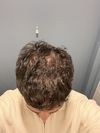
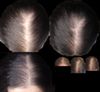
User uses dermaroller and minox for hair loss without success, considers adding Stemoxydine and mixing tretinoin with minox. Another user suggests a DHT inhibitor for sustainability.
The user shares their hair loss treatment routine, which includes topical minoxidil, botana oil, coconut moisturizer, derma stamping, derma rolling, 3% salicylic acid shampoo, and scalp massage. Suggestions include adding finasteride, switching to 2% ketoconazole shampoo, and using rosemary oil instead of botana oil.
Parabens in Minoxidil are a concern for some users due to potential health risks. The conversation discusses the presence of methylparaben and propylparaben in a specific Minoxidil brand, Ylox.
A user is seeking suggestions for a custom hair lotion mix containing minoxidil, finasteride, caffeine, niacinamide, and biotin. Another user suggests adding tretinoin, topical valproate, and bimatoprost.
A 25-year-old woman using minoxidil 2% for hair loss is experiencing faster hair growth and new baby hairs but continues to lose hair and see miniaturization. Suggestions include switching to minoxidil 5%, checking vitamin levels, using Nizoral, and considering a DHT blocker.
The conversation discusses a study comparing pumpkin seed oil and 5% minoxidil topical foam for female pattern hair loss. The user is curious about the application regimen of pumpkin seed oil used in the study.
The user's experience with oral minoxidil, which resulted in under-eye wrinkles; other users sharing their experiences and advice regarding hair loss treatments such as topical minoxidil, finasteride, RU58841, and collagen supplementation.
A user was frustrated with delays in getting finasteride for hair loss, was prescribed minoxidil, and found a vitamin B7 deficiency. They are questioning if the deficiency could cause receded temples and considering finding a new dermatologist.
A user who is trying alternative treatments, such as mucuna pruriens dissolved in water/alcohol and a blend of jojoba oil, rosemary oil, and peppermint oil, for hair loss. Other users have shared anecdotal evidence, discussed the potential effectiveness of certain treatments, and questioned the time sensitivity of experimenting with new treatments.
PP405 increased hair density by 20% in 31% of participants, but results are considered underwhelming. Minoxidil and finasteride are seen as more effective treatments.
A user is considering switching from a 5% minoxidil spray to a minoxidil cream for easier application and less greasiness. They are inquiring about the Hair Repair Clinic 5% minoxidil cream, which includes optional tretinoin and other ingredients like isopropyl myristate and beeswax.
A user experienced continuous hair shedding for six months after using topical 5% minoxidil and 0.1% finasteride. They switched to minoxidil gel and oral finasteride 1 mg due to scalp itchiness and are seeking advice on their situation.
A male with early-stage hair loss experienced severe side effects, including sexual dysfunction from finasteride and increased heart rate and fatigue from high-dose minoxidil, leading to discontinuation of both treatments. He is now relying on DHT-blocking shampoos and awaiting new treatments.
A user started taking 2.5mg oral Minoxidil (OM) and 1mg Finasteride after using topical Finasteride, Minoxidil, and Tretinoin for 2.5 months. They are considering increasing the OM dose before an upcoming hair transplant to improve its success.
Minoxidil may not be effective due to low sulfotransferase activity, and the user considers adding tretinoin to the regimen. They are unsure about the timing and combination with microneedling.
An 18-year-old male is experiencing significant hair shedding, particularly from the back of his head, despite normal blood test results except for slightly low vitamin D. A dermatologist prescribed minoxidil for receding temples, but the cause of the shedding remains unclear.
A user is using a trichosol-based minoxidil solution to avoid scalp irritation and is asking if it should smell like ginger beer. They like the scent and want to confirm they have the correct product.
A user discusses their hair thinning journey, starting minoxidil at 16, switching treatments, and experiencing significant shedding after resuming minoxidil. They are now using minoxidil daily and considering PRP if shedding continues, while also planning lifestyle changes to improve their condition.
Minoxidil use led to unwanted hair growth, but stopping the treatment was not an option due to positive effects on hairline growth. Reducing the dose and using salicylic acid were considered to manage side effects.
Minoxidil's effectiveness varies due to genetic differences in the SULT1A1 enzyme, affecting how well it converts to its active form, minoxidil sulfate. Hyper-responders may experience rapid hair growth and increased side effects, such as pericardial effusion, even at low doses.
The user discovered that a buildup of sebum and residue was preventing Minoxidil and finasteride from working effectively. After thorough scalp cleaning, hair shedding reduced significantly, and microneedling became more effective.
The user has been using finasteride for 7 months and is experiencing some regrowth but struggles with an oily scalp despite trying ketoconazole and salicylic acid. They are seeking advice on managing the oily scalp and are reassured by others that regrowth is visible.
Minoxidil is effective for frontal hair loss, despite packaging suggesting it's for crown thinning. The user has seen results with Minoxidil from a different provider.
The user experienced severe scalp issues and hair loss after using ketoconazole shampoo, which worsened despite various treatments. They seek advice on restoring scalp health, suspecting an allergic reaction or imbalance caused by the shampoo.
Increasing the sult1a1 enzyme on the scalp may improve response to topical minoxidil. The user suggests using a baking soda solution, DMSO, and tretinoin to enhance enzyme activity and minoxidil effectiveness.
The post discusses a user's hair loss treatment journey over a year, using finasteride, dutasteride (dut), and oral minoxidil (min). The user found finasteride ineffective, switched to dutasteride and oral minoxidil, and noticed improvements, but couldn't determine which of the latter two treatments was most effective.
A 20-year-old is using finasteride, minoxidil, biotin supplements, and ketoconazole shampoo for hair loss but is disheartened by the lack of progress. A user suggests using fewer treatments and being cautious with ketoconazole in winter.
The user has been using finasteride and minoxidil for hair loss but experienced worsening temple recession. They suspect they might be more sensitive to testosterone and are considering trying RU58841 or CB 03 01 as additional treatments.
The user is frustrated with no hair growth despite using Finasteride, Minoxidil, Ketoconazole, derma rolling, head massages, Biotin, collagen supplements, multivitamins, and drinking a gallon of water daily. Another user mentioned that the original poster had previously reported significant progress.