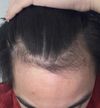
A female user is seeking feedback on using topical minoxidil on eyebrows due to eyebrow loss, as oral minoxidil hasn't worked and they avoid Latisse due to potential fat loss.
A 24-year-old man is experiencing hair shedding after starting Minoxidil and Creatine, and is concerned about accelerated hair loss. A user suggests that Creatine does not increase DHT levels and recommends considering oral Dutasteride, low-dose oral Minoxidil, and Ciclopirox Shampoo, advising consultation with a doctor.
The conversation discusses concerns that Minoxidil may cause skin aging, like collagen depletion and puffier faces. Some users suggest that a good skincare routine or collagen supplements might prevent these effects.
The user is using a 5% minoxidil solution with low propylene glycol and 1 mg of oral finasteride daily but is still experiencing hair shedding, especially at the temples and front. They are concerned about absorption issues and considering adding tretinoin to improve results.
A user shared their experience with telogen effluvium triggered by a keratin treatment, leading to significant hair loss. They found improvement using aloe vera with rosemary, a protein and iron-rich diet, and patience.
A 23-year-old male experiencing extreme hair shedding after increasing oral minoxidil to 2.5mg, previously used finasteride and dutasteride with minoxidil. Shedding is likely a common "minoxidil shed," indicating potential new hair growth.
A user shared 3 months of hair loss progress using topical minoxidil 5%, biotin, and increased protein. The user noted steady improvement and the benefit of progress pictures.
A user shared their one-month progress using Minoxidil and RU58841 for hair loss, noting significant shedding after micro-needling and seeking opinions on their regrowth. They stopped micro-needling and added RU58841 to their treatment.
The user is experiencing white flakes and a greasy look from using a topical solution containing 0.025% finasteride, 8% minoxidil, 0.01% retinoic acid, and 1% hydrocortisone. Suggestions include reducing application frequency, using a brush to clean the scalp, and considering alcohol-free alternatives.
The conversation discusses a person's 4-month hair loss treatment regimen using topical minoxidil, finasteride, ketoconazole, a dermastamp, and rosemary and peppermint oils. Progress pictures are shared to show the results.
Quitting vaping significantly reduced hair loss for a user who was a heavy vaper and also taking finasteride. Some participants suggest nicotine's vasoconstrictive properties may worsen hair loss, while others share personal anecdotes of hair improvement after quitting smoking or vaping.
The user is using minoxidil and finasteride to treat hair loss and is concerned about shedding and potential aggressive hair loss. They noticed some regrowth in trichoscopy pictures but are unsure about real-life changes.
The user has been experiencing continuous hair loss despite using finasteride, minoxidil, and dermastamping. They are seeking advice on what to do next.
A user is using Fluridil for hair loss and is concerned that styling clay and powder might affect the absorption of the treatment. They apply clay in the morning and Fluridil in the evening and are considering switching to a styling powder.
Liquid minoxidil makes hair sticky and stiff; users suggest oral minoxidil or minoxidil foam as alternatives. Applying minoxidil four hours before showering can help with absorption.
The user has been using a hair regrowth regimen for 9-10 months, including topical finasteride and minoxidil, various oils, and supplements like multivitamins and omega-3. They observed fine hairs returning and a change in scalp texture after adding cinnamon oil, questioning if this indicates positive hair regrowth.
Tretinoin may worsen hair loss by inducing premature hair follicle regression. It can be used with minoxidil to increase absorption but should not be used alone.
A 17-year-old is experiencing rapid hair loss from NW1.5 to NW3 in six months and feels dermatologists are unhelpful. They are using Minoxidil (Rogaine) and seeking advice on application.
A 22-year-old is experiencing hair loss, particularly fuzzy hair in the front, and is concerned about male pattern baldness. Treatments mentioned include Propecia (finasteride), minoxidil, PRP treatments, dermarolling, peppermint oil, and apple cider vinegar.
New potential hair loss treatment uses molecules from hairy moles to stimulate follicle growth. Topical solution requires less frequent application, like Botox injections a few times per year.
Stopping minoxidil often leads to significant hair shedding, and recovery to baseline can vary, with some users reporting no full recovery. Combining minoxidil with finasteride may help maintain gains, but stopping minoxidil typically results in losing the hair regrowth it provided.
The user has been using a combination of treatments including Dutasteride, Minoxidil, RU58841, ketoconazole shampoo, microneedling, and low-level laser therapy to address hair loss but continues to experience shedding and density loss. Despite high testosterone and iron levels, the user is frustrated with the lack of improvement and is considering adjusting treatment or exploring other options like a hair transplant.
User suggests using a blow dryer after applying Minoxidil for hair loss treatment, and shares personal success with temple regrowth using Minoxidil and Finasteride. Another user shares their method of applying Minoxidil with long hair and agrees with blow-drying.
Researchers finding that microRNA can potentially regrow 90% of lost hair, and the challenges involved in moving this research forward to human trials. Various treatments for hair loss, such as finasteride and minoxidil, have been discussed.
Mooseman1944 noticed hair regrowth and less shedding during the first 6 months of taking finasteride, but is now experiencing increased shedding and thinning hair. They are considering switching to dutasteride or adding minoxidil if there's no improvement by next August.
A user noticed hair loss since age 16 and is now using minoxidil 5% twice daily, scalp massages, and a derma stamp weekly, along with Alpecin Caffeine Shampoo. They report seeing new hair growth and are happy with the progress.
The conversation discusses the experience of hair shedding after starting sublingual oral Minoxidil, with the user questioning whether to continue the treatment. Responses suggest persisting with the treatment as shedding might lead to positive results.
The user experiences dry hair after using minoxidil and asks if they can use oil afterward, specifically Lanza Keratin Healing Oil. They seek advice on how long to wait before applying the oil and what type of oil to use.
The conversation questions the accuracy of the "losing 100 hairs a day is normal" claim, with users sharing personal experiences of hair loss. Specific treatments mentioned include Minoxidil.