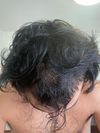
User noticed balding 3 years ago and started using finasteride 11 months ago. Recently tried Toppik hair fibers, which improved appearance and boosted confidence.
The user is struggling with seborrheic dermatitis and plans to try ciclopirox olamine after finding ketoconazole too drying. They are also using finasteride daily.
Finasteride reduced dandruff and scalp oiliness by lowering DHT, which decreases sebum production. Users also noted improvements with Nizoral and dutasteride.
A person was concerned about applying minoxidil and tretinoin in a public airport bathroom, fearing judgment from others. Most responses reassured them that no one cares, suggesting they apply it in a stall or skip a dose without worry.
A user shared their experience using capsaicin from chili peppers and occasional topical minoxidil to promote hair growth, noting noticeable improvements without significant side effects. They previously experienced side effects from dutasteride and minoxidil but found the new regimen effective and manageable.
Switching from topical to oral minoxidil resolved issues like watery eyes and ear itchiness. Users report oral minoxidil is better for sensitive skin, though some are concerned about side effects like hair growth everywhere.
The user experienced severe sexual side effects from topical finasteride with minoxidil but found no side effects with low-dose dutasteride and finasteride serums from Ulo after a hair transplant. They also used a hair growth serum with saw palmetto without side effects.
The conversation discusses hair loss treatments, focusing on the use of finasteride (fin) and minoxidil (min), with some users recommending dutasteride (dut) for stronger results. Many users emphasize that these treatments are affordable and effective, with some sharing personal experiences of hair regrowth and side effects.
The user is using a combination of microneedling, minoxidil, tretinoin, scalp massages, and red light therapy to address hair loss, with a focus on the hairline and temples. They emphasize the importance of scalp massages and have seen regrowth, attributing success to their comprehensive routine.
The conversation is about dealing with dry scalp caused by using Nizoral shampoo. Suggestions include using medicated scalp solutions, drinking more water, trying different shampoos and conditioners, and using oils like coconut or olive oil.
Topical finasteride that doesn't penetrate the skin could potentially treat hair loss without side effects. Current challenges include finding a formulation that remains on the scalp without increasing blood levels.
Use ketoconazole shampoo 1-2 times a week; daily use can cause dryness. Some users find daily use effective, but most recommend less frequent use with conditioner.
The user is considering using RU58841 and pyrilutamide for hair loss, debating between powder and topical forms, and is currently using a combination of dutasteride, finasteride, minoxidil, tretinoin, and supplements. They report no significant side effects from finasteride and dutasteride, and are seeing some hair growth, but not on the scalp.
Minoxidil, finasteride, dutasteride, and copper peptides are discussed as treatments for hair loss, with users sharing experiences and concerns about side effects and effectiveness. Oral minoxidil and dutasteride are suggested for better regrowth, while topical minoxidil caused irritation for some.
Switching from minoxidil with propylene glycol to a glycerin-based solution helped reduce scalp buildup and dandruff. Using ketoconazole shampoo and a scalp massager also improved scalp health.
Reducing DHT in the scalp is ideal for hair retention, with topical finasteride and dutasteride being common treatments. Some users report side effects like reduced libido, while others experiment with higher doses for regrowth.
A 24-year-old shared six months of progress using 1mg finasteride daily and topical minoxidil twice daily, reporting improved hairline and temples with no side effects. The user experienced initial shedding but noted significant regrowth and no erectile dysfunction issues.
The conversation is about finding an alternative ketoconazole shampoo to Nizoral due to its strong smell, with suggestions including Intelligent shampoo and Sons brand. The discussion also touches on the effectiveness of ketoconazole for dandruff and hair loss, with some users recommending prescription options for higher concentrations.
The conversation discusses managing hair loss and seborrheic dermatitis with treatments like minoxidil, finasteride, and saw palmetto, emphasizing the importance of scalp health and DHT reduction. The user shares personal experiences and suggests a balanced approach, combining topical treatments and lifestyle changes for effective hair regrowth.
Nizoral is a suitable replacement for Ketoconazole, but ensure it contains 2% Ketoconazole. The yellow bottle is recommended and should last 3-4 months if used twice a week.
Joe Biden aged significantly between ages 25 and 30, with noticeable changes in hair and facial features. He had a hair transplant, but it's unclear if he used Minoxidil or Finasteride.
A user has been taking 0.5mg oral Finasteride daily for 8 months and is unsure if fine, soft, colorless hairs are regrowth. Other users suggest trying oral Minoxidil for faster results and mention their own experiences with oral treatments.
The user experienced severe hair shedding despite using oral finasteride, minoxidil, dutasteride, and RU58841, and was diagnosed with Non-Alcoholic Fatty Liver Disease (NAFLD). They are considering switching to topical treatments due to the ineffectiveness of their current regimen.
A 27-year-old man shared his 10-month hair regrowth progress after taking oral finasteride, noting initial hair shedding followed by noticeable thickening around 5-6 months, with significant improvement by March. He also mentioned having scalp psoriasis.
A 20-year-old has seen no improvement in hair loss after 8 months using finasteride, minoxidil, topical solutions, and microneedling. They express frustration and a loss of confidence due to the lack of results.
A user has been on finasteride for 6 months and feels their hair quality has worsened, experiencing more hair loss and scalp irritation. They are considering seeing a dermatologist, while others suggest the issue might be unrelated to finasteride, possibly due to deficiencies or other conditions.
The post and conversation are about a user's progress with hair loss. The user used dutasteride (DUT) for 9 months and then added minoxidil for 3 months. They experienced significant improvements in hair growth and stopped their hair loss.
The post and conversation are about hair loss treatments and tips for healthier hair, including using a dermaroller, taking vitamins (D, omega 3, zinc, magnesium), and using a silk pillowcase. The user also inquires about the effectiveness of aloe vera and oils for hair.
User's hair loss treatment progress includes 1 mg finasteride, 2.5 mg minoxidil tablets twice daily, microneedling 3 times a week, and Fungoral shampoo twice weekly. Good progress and minimal side effects reported.