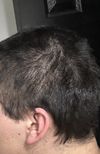
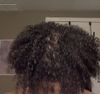
Hair loss possibly caused by a fungal infection might be treated with antifungal shampoos or oral medications. If not fungal, treatments like minoxidil or finasteride may be necessary.
A user shared their progress after 8 months of using oral dutasteride, minoxidil, and ketoconazole shampoo for hair loss. They are very pleased with the results.
Aloe vera gel can help reduce scalp inflammation and "DHT itch" associated with hair loss, particularly in those with androgenic alopecia and seborrheic dermatitis. It's suggested to use aloe vera alongside treatments like finasteride and ketoconazole shampoo to manage symptoms and promote scalp health.
Ketoconazole shampoos are primarily for dandruff and fungus but may aid hair growth slightly, though results are minor compared to finasteride and minoxidil. Users report it helps with scalp health and inflammation, but it can dry out hair if used too often.
A user is seeking advice on shampoos and hair styling products to slow down hair thinning and avoid harmful chemicals. They currently use a biotin and collagen shampoo and are considering alternatives like wax or oils instead of gel.
The conversation is about finding a suitable hairbrush for diffuse thinning hair without causing separation or flattening. The user is using oral dutasteride, minoxidil foam, Nizoral, microneedling, and Pura D’or shampoo and conditioner.
Shampoos are unlikely to cause permanent hair loss; hair loss is more likely due to male pattern baldness (MPB). The user is advised that losing hair in the shower is normal, and to avoid shampoos with sodium sulfate.
Using a daily hair spray with 0.3% finasteride, 7% minoxidil, 2% ketoconazole, and biotin, along with a 1% ketoconazole shampoo once or twice a week, may be excessive according to the product's recommendations. The user is unsure about this regimen for treating androgenetic alopecia (AGA).
Silicone-based shampoos and conditioners may leave a layer on the scalp that could affect the absorption of topical hair loss treatments like Fluridil. The user is considering switching to silicone products to manage frizzy hair but is concerned about this potential issue.
So maybe vitamin D is important here
This conversation discussed the user's successful results from a combination of treatments, including finasteride, minoxidil, ketozolin shampoo, Vitamin D and biotin. The discussion also included advice about frequency and dosages for these treatments.
A user is seeking a sodium lauryl sulfate-free ketoconazole shampoo for hair loss treatment. They are unable to find one and are asking for recommendations.
The user "Venom7337" shared their progress with hair loss, mentioning the treatments they used: Dutasteride, Minoxidil, and Ketoconazole shampoo. They hope to see further improvement in hair density and hairline.
The user uses rosemary oil, finasteride, ketoconazole, Minoxidil, and Anagenics RU58841 for hair loss treatment. They hope rosemary oil will improve scalp health.
Hot weather can increase hair shedding, possibly due to dehydration and active sebaceous glands. Using shampoos with salicylic acid or zinc pyrithione may help; daily anti-inflammatory use is not recommended.
Ketoconazole 2% shampoo stopped a user's severe hair shedding after just two uses, a result not achieved by finasteride or oral minoxidil. Some users suggest the shampoo's anti-androgenic properties may help with hair loss, while others think the shedding might have stopped naturally or due to the end of a shedding phase.
The conversation discusses hair thinning potentially caused by seborrheic dermatitis, with the user considering over-the-counter treatments like Head and Shoulders, Selsun Blue, and Nizoral, while maintaining keratin-treated hair. A suggestion is made to use raw organic honey as a hair mask to treat seborrheic dermatitis without affecting keratin treatments.
An 18-year-old experiencing hair loss and seborrheic dermatitis has tried finasteride, dutasteride, and various shampoos without success. They are considering anti-androgens like RU58841 and KX-826 for oil control and dandruff reduction.
Topical minoxidil and finasteride can cause hair dryness and styling difficulties, especially for curly hair. Users suggest switching formulations or showering before going out to manage the dryness.
A female user is experiencing severe hair loss, especially at the crown and front, with broken and dull hair despite using Moroccan oil, shea moisture shampoo, and coconut oil. She seeks recommendations for a clinic or doctor as previous doctors attributed the issue to stress but offered no solutions.
The user shared a 6-month update on using microneedling and a homemade shampoo made of aloe vera and rosemary water for hair loss. They posted progress pictures showing their results.
People recommend using Nizoral, The Ordinary Multi-peptide Hair Serum, Minoxidil, and 2% ketoconazole shampoo for hair loss. The Ordinary serum is noted for creating an illusion of thickness rather than promoting regrowth.
The user is experiencing dry, frizzy hair despite using dutasteride and finasteride for hair loss, which may be due to reduced sebum production. Suggestions include using nourishing conditioners, hair oils, and styling products to manage frizz, especially for curly hair.
A 28-year-old male is experiencing hair loss, possibly due to seborrheic dermatitis, itchiness, or shampoo use, and is considering treatments other than minoxidil or finasteride. He plans to consult a doctor for further advice.
The user experiences scalp itchiness despite using ketoconazole shampoo and is also taking oral finasteride and minoxidil. Suggestions include trying different shampoos like Head & Shoulders, using salicylic acid products, considering allergies, and consulting a dermatologist for alternatives like Ciclopirox.
Minoxidil can cause scalp dryness and flaking, leading to hair shedding when exfoliating. Alternatives like oral Minoxidil, finasteride, and ketoconazole shampoo are suggested to manage these issues.
Ketoconazole shampoo is primarily for scalp health and reducing inflammation, not hair regrowth. Combining ketoconazole with finasteride can yield similar results to using minoxidil and finasteride together.
The conversation is about a user trying a shampoo and conditioner recommended by Derek from More Plates More Dates to slow down hair loss. The products contain Ketoconazole, pumpkin seed oil, tea tree oil, peppermint oil, and biotin, and the user is satisfied with the results so far.
The conversation is about finding effective shampoos and conditioners for dandruff, excluding ketoconazole. The user mentions trying Paul Mitchell Tea Tree shampoo and Purology, and seeks at-home treatment recommendations.
A user is experiencing significant hair loss and stress, seeking advice on treatments. They are using Pura d'or shampoo and conditioner, biotin, and considering other options but are hesitant about treatments like Minoxidil due to the need for continuous use.
The original poster found that using rosemary oil, peppermint oil, jojoba oil, oral castor oil, head massages, ketoconazole shampoo, omega-3 fatty acids, and a multivitamin reduced their hair loss from 150 to 50 hairs a day. Another person reported a significant drop in hair loss using a similar oil blend with additional ingredients.