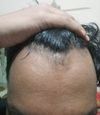
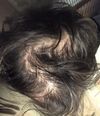
PP405 is a potential hair loss treatment, but its safety and effectiveness are uncertain. Users advise caution and suggest waiting for more data before purchasing unverified versions.
PP405, a promising hair loss treatment, is expected to be available by 2027, with faster trials due to its topical nature. Users are eager for its release, comparing it to existing treatments like minoxidil and finasteride, but remain cautious about its long-term effectiveness.
People are discussing obtaining and testing PP405 for hair loss treatment, with concerns about its purity and effectiveness. Some are considering delaying hair transplants, while others suggest using existing treatments like finasteride and minoxidil.
A user achieved significant hair regrowth from Norwood 3 to a dense Norwood 2 after five months using oral dutasteride, oral minoxidil, and a topical solution with minoxidil, retinoic acid, and hydrocortisone. The user reported no side effects and found the topical treatment especially effective for the hairline.
Mixing RU58841 with a solution for hair loss treatment, with suggestions to use propylene glycol and ethanol instead of k&b solution due to scalp irritation. Recommendations include using ketoconazole shampoo for itchiness and considering oral minoxidil if topical causes irritation.
AI advancements, like AlphaFold, are speeding up drug discovery for hair loss, promising more effective treatments. Current options like minoxidil and finasteride have limitations, but new developments could improve solutions in 5-10 years.
RU58841 may cause heart-related side effects like palpitations and chest pain, though evidence is mostly anecdotal. Users report mixed experiences, with some stopping due to side effects and others using it without issues, but concerns about its safety and sourcing remain.
The conversation discusses the lack of public information on the chemical structure of PP405, a hair loss treatment, and the challenges of synthesizing it without a patent. It also explores a patent related to hydrogen-based topical formulations for reducing oxidative stress and inflammation.
A teenager experiencing hair loss is using minoxidil, a derma roller, and plans to add ketoconazole shampoo to their routine. They are advised to continue this regimen consistently for at least six months to see results, with the shedding being a normal part of the process.
Switching from finasteride to dutasteride for hair loss yields mixed results, with some users experiencing improvements and others facing worsening conditions or side effects like shedding. Patience is advised as dutasteride may take longer to show results, and combining treatments is suggested by some users.
Tadalafil combined with finasteride seems to improve hair condition for the original poster, who has experienced gradual improvement in hair thinning. Other users discuss the effects of tadalafil on blood flow and its potential benefits for hair growth.
Combining therapies like scyllo-inositol, alpha-ketoglutarate, and autophagy-inducing supplements may enhance hair growth and prevent hair loss. Reporting individual results can accelerate progress in hair loss treatments.
The user improved diffuse thinning without finasteride by using minoxidil foam, cold showers, gentle hair drying, 2% ketoconazole, sulfate-free tea tree oil shampoo, dermastamping, and supplements like Omega-3, Vitamin-D, Biotin, Keratin, Collagen, B3, Zinc, and Magnesium. The regimen was followed for about six months under dermatologist guidance.
The user has been using Minoxidil and Finasteride for four years, added microneedling, and is considering increasing microneedling frequency and possibly using Dutasteride. They are seeking advice on improving hair regrowth and better tracking progress.
The conversation discusses using estradiol mesotherapy to replicate hormone replacement therapy results while minimizing systemic exposure. It also covers the use of Spironolactone cream, which reportedly has no systemic side effects, and the potential risks of using bicalutamide and Spironolactone in men.
The user has been using finasteride, minoxidil, and nizoral for hair loss but hasn't seen regrowth, only maintenance. They are considering switching to dutasteride, which is believed to be more effective, but are concerned about potential side effects.
A user shared their successful hair loss and gray hair reversal routine, which includes Minoxidil, Cetirizine HCl, Latanoprost, Dutasteride, Melatonin, Caffeine, Tretinoin, Vitamin D3, and Vitamin E. They also use a red light cap, oral Minoxidil, and are developing new treatments.
KX-826 Pyrilutamide 1% is launching soon, and users are discussing its potential benefits and drawbacks compared to other treatments like Minoxidil and finasteride. Some users are skeptical about its effectiveness, while others are hopeful it will be a safer alternative.
Topical dutasteride is suggested as a low side-effect treatment for hair loss, with a proposed dose of 0.025% 1ml/day. It is considered better than finasteride due to its even inhibition of DHT isoforms and lower systemic absorption.
Dutasteride at 0.5 mg/day does not significantly alter allopregnanolone levels, but higher doses (2.5 mg/day) do. Dutasteride may also have anti-neuroinflammatory effects, but the impact on neurosteroids is still debated.
A user shared their positive experience with finasteride and minoxidil for hair loss, noting significant improvement and regrowth after 1.5 years of treatment, despite initial side effects. They are now happy with their hair and personal life.
A 24-year-old male has been using 0.1% finasteride and 5% minoxidil daily for four months, added dermarolling and topical dutasteride, and sees hair regrowth, improving from a Norwood scale 4a to 3a. He wants to optimize his hair loss treatment routine.
A user experienced severe chest pains and shortness of breath after using RU58841 for hair loss and was advised by a doctor that blocking androgens can weaken the heart. They decided to continue with finasteride, minoxidil, and a hair transplant instead.
The conversation is about whether low vitamin levels can cause hair loss. The consensus is that the user's vitamin levels are normal and unlikely to affect hair loss or the effectiveness of finasteride and minoxidil treatments.
The user shared their 5-year hair loss journey, initially using a product called Triphasic Progressive by Rene Furterer, which gave good results. Later, they switched to FDA-approved medications finasteride and minoxidil, which also helped, but they noticed the most significant progress with Triphasic. They're considering trying it again if minoxidil doesn't show improvements.
The conversation is about a homemade hair loss treatment serum containing Procyanidin B2, Aloe Vera Gel, Coconut Oil, Castor Oil, and Rosemary Essential Oil. The main concern is finding an affordable source of Procyanidin B2 and ensuring its stability in the serum at room temperature.
The user, Virtual_Force3845, shared their progress pictures after using Hims Fin/Min Spray consistently for 3-4 months. They are excited about the progress and have not experienced any side effects. Other users in the conversation shared their own experiences and asked questions about the treatment.
The conversation is about the comparison between finasteride and dutasteride for hair loss treatment. The conclusion is that there is more fear around finasteride due to its higher prevalence and being the first line of defense, while dutasteride is less commonly prescribed and used by those who have already tried finasteride without side effects.
The conversation discusses the effectiveness of anti-androgens for hair loss, with a preference for topical treatments like RU58841 over oral options due to better scalp concentration and fewer side effects. Topical finasteride at 0.1% may provide some results, especially when combined with a topical androgen receptor antagonist like RU58841.
A user's decision to shave their head after struggling with hair loss for seven years, and the medications and treatments they are using to attempt regrowth. They also discuss potential future treatments that may come out in the near future.