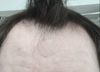
The user is experiencing hair thinning and is considering using minoxidil. They are concerned about the progression of hair loss and whether it will lead to complete baldness.
The user experienced increased hair loss after increasing their minoxidil dose to 5mg and is considering switching to dutasteride while on testosterone replacement therapy. They are also using finasteride, microneedling, and considering adding Nizoral and caffeine serum to their regimen.
The user experienced significant hair regrowth using oral finasteride, minoxidil twice daily, ketoconazole shampoo, and microneedling, despite heavy shedding. They stopped using topical finasteride due to discomfort and maintained progress with their current routine.
The conversation discusses unconventional methods for hair regrowth, including scalp trauma like burning or microneedling, and compares them to treatments like Minoxidil and Finasteride. It highlights skepticism about these methods and the body's unpredictable healing responses.
The conversation is about hair shedding experienced while using finasteride (fin) for hair loss treatment. Users discuss their experiences with finasteride, minoxidil (min), and other treatments, noting that shedding is often a sign that the treatment is working.
Accepting baldness and the various ways people try to cope with it, such as shaving, using medications like minoxidil and finasteride, or getting a hair transplant. Participants discussed how true acceptance of hair loss involves confronting difficult emotions such as grief for one's former appearance and identity, as opposed to simply superficially hiding it with a shaved head.
An 18-year-old experienced initial hair improvement with minoxidil but noticed increased shedding after surgery and lifestyle changes. They suspect iron deficiency and are seeking other possible explanations for the hair loss.
The user experienced noticeable hair regrowth after using finasteride for 2 years, oral minoxidil for 1 year, and recently starting dermarolling. The right temple shows significant improvement, while the left remains similar.
An 18-year-old male using minoxidil and finasteride is experiencing increased hair loss, possibly due to a shedding phase from finasteride. He also takes zinc, magnesium, calcium, and vitamin C, and is concerned about hair loss from his temples.
The user shared progress pictures after using topical dutasteride for 4 months, experiencing heavy shedding at month 2, which returned to baseline 1.5 months ago. Previous treatments with topical and oral finasteride and minoxidil were ineffective or caused side effects, and the user is hopeful about the shedding phase indicating potential effectiveness of topical dutasteride.
The user has been using finasteride and minoxidil for years without effect and recently added pyril 1%, resulting in significant hair shedding. Shedding 100 hairs a day is considered normal, and it's suggested to evaluate the treatment plan in six months.
A 38-year-old with type 4c hair has experienced significant hair regrowth using oral finasteride and topical minoxidil for a year. They are concerned about potential shedding from a new hair growth serum and oil product, despite their current treatment.
A user shared their hair loss treatment routine, which includes oral and topical Minoxidil, dermarolling, Keto shampoo, multivitamins, Biotin, oils, protein intake, and water. Another user suggested adding finasteride and continuing the routine for 6-12 months.
A 24-year-old male is concerned about hair loss, possibly at Norwood stage 3 to 5, and has started using Minoxidil, shampoo, and hair fibers, while planning to get finasteride. He is worried about the shedding process affecting his progress.
A user reports significantly reduced hair shedding by using a topical mixture containing 10% Minoxidil, 0.1% Melatonin, 5% Azelaic Acid, 5% Rosemary Oil, and 5% Peppermint Oil, and attributes the success mainly to Melatonin. They also use a copper peptide serum (AHK-Cu) for hair growth and Ketoconazole shampoo for scalp cleaning, but have stopped using other treatments like Finasteride and RU58841.
The conversation humorously discusses inducing goosebumps to potentially reverse hair loss, with mentions of using cold therapy and muscle exercises. It also references other unconventional ideas like removing a testicle to lower DHT.
A user shared their 2-year hair recovery journey using minoxidil, microneedling, finasteride, iron, zinc, selenium, cyproterone, and estrogen. They started losing hair at 15 and are now 24.
The user is experiencing increased hair shedding and is considering switching from a topical solution containing minoxidil, finasteride, and tretinoin to oral minoxidil while continuing oral dutasteride. They are seeking advice on whether this change could improve results and if the recent shedding could be due to a 2-week interruption in dutasteride.
The post is about a user experiencing a brutal shed after switching from taking dutasteride 3 days a week to taking it daily. The conclusion is that experiencing shedding when starting a new treatment is normal and varies from person to person.
A female user is experiencing heavy hair shedding and receding temples, possibly due to low ferritin levels. She is using oral minoxidil, iron supplements, and ketoconazole shampoo, and is hesitant to start spironolactone.
Switching from oral to topical dutasteride can cause shedding due to changes in DHT levels, and it's recommended to overlap both treatments to minimize this effect. Topical dutasteride may cause scalp irritation, and the user is considering dutasteride mesotherapy as an alternative.
The user experienced hair regrowth using finasteride and topical minoxidil, with consistent application and lifestyle changes like using cold water and exercising. They noted initial shedding when restarting minoxidil but saw positive results over six months.
Hair loss has slowed, but uneven growth and kinking persist despite using keto/nizoral shampoo and clotrimazole. Stress and anxiety might be contributing factors.
Minoxidil and finasteride can both cause initial hair shedding, but they work differently; minoxidil promotes hair growth, while finasteride improves the hormonal environment. Starting finasteride after minoxidil may trigger additional shedding, but it often leads to improved regrowth.
The user experienced heavy hair shedding after switching finasteride brands and is concerned whether it's due to fake finasteride or a normal part of the treatment process. They have been using finasteride, minoxidil, tretinoin, and derma rolling for almost 8 months.
The user is experiencing a receding hairline and strong shedding after starting minoxidil 10 days ago, applying it only on the temples. They are considering using it on the entire scalp and have started using conditioner and leave-in treatments for weak, wavy/curly hair.
Switching from 2% liquid minoxidil to 5% foam minoxidil reduced scalp irritation but increased eyebrow flakiness and thinning. The user speculates that propylene glycol in the liquid formulation might have been protecting against seborrheic dermatitis while causing contact dermatitis.
The user is considering another hair transplant or scalp micropigmentation (SMP) for a congenital bald spot, but previous transplants were less effective due to scar tissue. Suggestions include using hair fibers, changing hairstyles, or doing nothing, as the spot is not very noticeable.
A 21-year-old with accelerated hair loss due to stress and weight loss is using minoxidil, finasteride, and microneedling to combat balding, despite experiencing a significant initial hair shed. They are committed to continuing treatment for at least three months and are considering switching to topical finasteride if necessary.