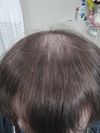
Adding non-prescription topicals like alfatradiol and Zix to a standard fin/min/niz regimen may help with scalp inflammation and shedding, but their long-term effectiveness varies. Zix is recommended for reducing scalp inflammation and enhancing the effectiveness of other treatments.
Switching from minoxidil to rosemary oil led to rapid hair shedding, but there are signs of new hair growth with the use of rosemary oil and a derma-roller. Users suggest that rosemary oil is less effective than minoxidil, and recommend trying a cheaper 2% minoxidil option.
The conversation discusses using retinol to enhance minoxidil's effectiveness for hair loss, with a user considering The Ordinary's 0.5% retinol and seeking advice on azelaic acid concentration. Other users suggest using tretinoin instead and consider pre-formulated products combining minoxidil, tretinoin, and azelaic acid, but the original poster has not seen improvement from dermarolling.
The conversation discusses concerns about Dr. Rassman's topical Finasteride, specifically whether it is liposomal or glycol-based. Dr. Rassman insists on providing the correct liposomal formulation and urges patients to contact him if they receive the wrong product.
Hair loss approaches: 1) using treatments like Minoxidil, Finasteride, RU58841, vitamins, and transplants, or 2) accepting hair loss, trying minimal treatments, and shaving head. Users share experiences and preferences between options.
A user stopped using finasteride due to reduced efficacy and health concerns, and is considering minoxidil and DHT-blocking shampoos for hair loss. Another user responded that DHT-blocking shampoos are ineffective.
A user is asking if a new hair product, Cypress Premium Vials Energy and Cypress Premium Shampoo Energy, could be dangerous or worsen their hair condition. The product contains various ingredients including water, alcohol, menthyl lactate, and several extracts.
Eating 1g of broccoli seeds five days a week may help with hair regrowth due to their high sulforaphane content. However, caution is advised due to potential health risks from erucic acid in the seeds.
A 43-year-old male with advanced hair loss is experimenting with alternative treatments, including red light therapy, microneedling, scalp massages, an oil mix, and ketoconazole shampoo, after previously experiencing side effects from finasteride and minoxidil. He noticed some minor changes with red light therapy but remains skeptical about significant improvement.
Ultrasound imaging can non-invasively detect active and inactive hair follicles, inflammation, and fibrosis, potentially reducing unnecessary biopsies. It may help assess hair growth potential and diagnose scalp issues, but some users believe in trying treatments regardless of ultrasound results.
Most users did not visit a dermatologist before starting finasteride, opting to purchase it directly or through a primary care physician. Some users shared experiences of side effects and emphasized the potential benefits of medical advice and monitoring.
The conversation discusses hair loss treatments, specifically topical finasteride and minoxidil, with users debating the effectiveness and honesty of progress pictures. Some users claim significant regrowth, while others argue about the influence of lighting and angles on perceived results.
A 25-year-old shares 4 months of hair loss progress using 0.5mg Dutasteride, 2.5mg Minoxidil, and 10mg Biotin in one capsule. They experienced significant improvement by month 2, despite a big shed at month 3, with no side effects reported.
The user has seen significant hair regrowth using topical minoxidil and dutasteride, with better results than finasteride alone. Despite concerns about hairline and temporal peaks, others believe a hair transplant is unnecessary due to the current hair condition.
PP405 is seen as a potential breakthrough for converting vellus hairs to terminal hairs, with users expressing both hope and skepticism. It is compared to treatments like minoxidil and finasteride, with discussions on side effects and marketing concerns.
PP405 might take 3-4 years to be available, but some claim Everychem offers a similar product, though its effectiveness is debated. Users discuss the risks of using untested grey market products and the potential for adverse effects.
To maintain hair regrowth, users suggest parting the hair to apply treatments like minoxidil and finasteride directly to the scalp. Consistent application is necessary to prevent hair loss from returning.
The conversation discusses the use of topical peptides ahk-cu and ghk-cu for hair loss. One user reported that while these peptides made their hair look thicker and improved scalp health, they did not notice significant hair growth.
The conversation is about finding a source for RU58841 in Canada as an additional treatment for hair loss, alongside oral minoxidil and dutasteride. Alternatives like kx826 are suggested, with some users discussing prices and sources for these products.
A 20-year-old is concerned about potential counterfeit finasteride purchased online and seeks advice from experienced users. They are worried about hair loss and want to maintain their hairline on a budget.
A 31-year-old man shared his hair growth progress from July 2024 to March 2026 using oral finasteride (1mg) and minoxidil (2.5mg), with no significant side effects. He is considering switching treatments but is advised to continue with the current regimen due to its effectiveness.
The conversation discusses the effectiveness of Vichy Dercos Aminexil Clinical R.E.G.E.N. Booster for hair shedding and thinning. The main ingredient, Aminexil, is compared to Minoxidil, and the user seeks real experiences to determine its efficacy.
The user shared their successful hair regrowth journey using a combination of oral Dutasteride and a topical mix of Finasteride, Minoxidil, Tretinoin, and Ketoconazole. They experienced no side effects and noted significant improvement, except for one persistent thinning area.
Exosomes are not effective for long-term hair regrowth, with users reporting temporary improvements or no noticeable change. Effective treatments include Dutasteride, Finasteride, Minoxidil, and RU58841, with other options like CB-03-01 and Fluridil offering limited benefits.
Taking minoxidil both orally and topically may improve results, but consistency with topical application might not be as crucial if oral intake is regular. Microneedling is also considered for additional benefits.
Kintor Pharmaceutical's stock rise suggests potential positive news about Pyrilutamide, a topical anti-androgen. GT20029 may also compete with existing treatments like finasteride and dutasteride.
The user reports positive results in hair growth using daily oral finasteride (1.2mg), minoxidil (3mg), and biotin (2.5mg), along with collagen peptides, exercise, and weightlifting. Other users comment on the progress and discuss the effectiveness and side effects of these treatments.
The user treats hair loss with dutasteride, minoxidil, and tretinoin for about £280 a year by using dutasteride weekly due to its long half-life, while using minoxidil daily. Concerns about the shelf life and absorption of topical treatments were discussed, with some users suggesting alternative sources for these products.