The conversation is about using natural DHT blockers like saw palmetto, pumpkin seed oil, and stinging nettle extract for hair loss. Saw palmetto is noted to potentially halt mild hair loss.
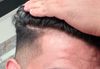
A user decided to stop using finasteride due to side effects and chose to shave their head instead. They plan to use the money saved for a hair transplant towards a house downpayment, hoping for future advancements in hair cloning.
The potential risks and benefits of using Dutasteride as a hair loss treatment, compared to using Finasteride or other treatments like RU58841 or Accutane. People discussed their personal experiences with these treatments and shared advice on how to proceed.
The side effects of taking finasteride as a treatment for hair loss, with particular focus on its sexual and psychiatric side effects; research has indicated that there are high and low outliers in terms of prevalence of sexual side effects, but it is usually between 3-5%, while evidence of lasting sexual side effects comes from lower quality sources.
A user shared their positive 3-month experience using finasteride, minoxidil, and vitamin D to treat hair loss, noting significant regrowth and minimal shedding. They also discussed potential side effects and the low likelihood of experiencing them, while being open to answering further questions.
A user traveled to Turkey for a 5000-graft FUE hair transplant at ASMED Clinic with Dr. Koray Erdogan. They used finasteride before and after the surgery and shared detailed experiences, costs, and recovery tips.
The conclusion of the conversation is that the user has decided to embrace their hair loss and has buzzed their head. They plan to continue their current hair loss treatments until they run out of stock. They also mention having dandruff and will continue medication for that.
Hair loss treatments, such as Dutasteride, Minoxidil, and Finasteride. Advice is given to give the medications time to work and to consider a Hair Transplant in order to fill any gaps caused by continuing hair loss.
The conversation discusses whether individuals using hair loss treatments like Dutasteride (Dut) or Finasteride (Fin) should regularly check their hormone levels through bloodwork. Some argue it's important to monitor the effects of these medications on hormone levels, while others believe it's unnecessary if there are no side effects, citing cost and practicality concerns.
The conversation is about a user planning a blood test to monitor health while on hair loss treatments: Finasteride, Minoxidil, and Dutasteride. Recommendations include testing for androgens, thyroid function, micronutrients, and basic health markers, with additional suggestions for PSA, prolactin, and estradiol.
Finasteride treatment is being considered, and it's advised to track DHT, testosterone, estradiol, and SHBG levels to monitor hormonal changes. These tests will help understand the treatment's impact.
A user in their early 20s is concerned about minor hair thinning and is considering a hair loss regimen involving PRP sessions, mesotherapy with dutasteride injections, and low-dose finasteride. They dislike minoxidil due to its greasiness and prefer a routine that is easy to maintain.
The user is documenting their experience with oral dutasteride (dut) 0.5 mg and minoxidil (min) 5 mg for hair loss, planning to add RU58841 after three months. They previously used finasteride with success and are now experiencing increased shedding but also new hair growth.
A user created a tracker for hair loss treatments in clinical development, including compounds like Dermaliq, RU58841, and Pyrilutamide. The tracker updates with new information and allows filtering by conditions like androgenetic alopecia (AGA) and alopecia areata (AA).
A Phase 1 update for the HMI 115 clinical trial, which involves 16 participants and is expected to end in July 2023; as well as changes to the recruitment process, including treatment protocols with Minoxidil, Finasteride, and RU58841.
People are discussing the use of finasteride for hair loss and the importance of hormonal blood testing to monitor effects like changes in DHT and estradiol levels. Some users also mention using minoxidil and the potential side effects of estradiol, such as gynecomastia, especially at higher doses.
Oral minoxidil users should monitor heart health with periodic echocardiograms and cardiologist visits due to potential side effects. While some experience serious side effects, they are rare, and the benefits for hair growth often outweigh the risks.
A user created a web app called TrichoMetrics to track hair loss using photos and metrics like density and thinning. The app supports tracking treatments like Minoxidil and finasteride, with features for setting baselines, comparing progress, and logging treatment adherence.
The user is updating on their 3-month progress using minoxidil (0.5mg twice daily) and microneedling once a week. They plan to consult a doctor about adding finasteride to their regimen.
Dutasteride users should get yearly kidney and liver tests, especially young people. General health checkups are not common in the UK, but such tests are recommended as a precaution.
A user recommends using a microscope to assess hair density and track hair loss progress, finding it useful for evaluating treatment effectiveness, particularly with dutasteride and minoxidil. They advise against obsessing over hair loss and emphasize focusing on other meaningful life aspects.
The user updated their hair loss treatment to include daily dutasteride, oral minoxidil, topical dutasteride with minoxidil and tretinoin, and RU58841. Commenters feel the extensive treatment is unnecessary for the user's level of hair loss.
A 34-year-old male has been using a topical minoxidil and finasteride solution for hair loss and was prescribed oral finasteride by a dermatologist. He questions the necessity of monthly consultations since the prescription remains unchanged.
A user is developing a tool to track hair density, aiming to help those using treatments like minoxidil. They seek feedback on the tool's usefulness and are considering a low-cost model to cover expenses.
The user started using topical Minoxidil and Procapil, then added oral Minoxidil and Finasteride, seeing some hair thickening but no improvement in the frontal hairline. They believe nutrition, sleep, and lifestyle impact hair health and are seeking ways to track hairline and medication use.
The user is considering switching from finasteride and minoxidil to dutasteride for better hair regrowth results, as they are experiencing thinning and shedding despite current treatments. They have also tried microneedling, Clobetasol, and salicylic acid to manage scalp issues and inflammation.
The user checked iron, ferritin, B12, zinc, testosterone, DHT, and estrogens to understand hair loss causes and the effects of dutasteride. They also noted increased heart rate and paleness with oral minoxidil.