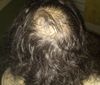
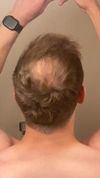
User achieved hair regrowth using 1 mg oral finasteride, topical minoxidil twice daily, and occasional microneedling. They are happy with the progress despite still having thin hair on top.
The conversation discusses sourcing topical dutasteride for hair loss treatment, with mentions of Dr. Mwamba's products and Farmacia Prati as potential suppliers. Additional treatments like topical tocotrienols and botox are suggested as extensions to the regimen.
Clascoterone is seen as a promising topical treatment for hair loss, similar to finasteride but without side effects, though concerns exist about its long-term effectiveness. Other treatments discussed include topical minoxidil, ketoconazole, microneedling, and oral options like dutasteride and minoxidil.
How diffuse unpatterned alopecia (DUPA) is not an invitation to self-diagnose oneself with aggressive AGA and that seeking a specialized dermatologist may help people experiencing hair loss. Treatment options discussed include topical clobetasol propionate, oral minoxidil, and discontinuing finasteride.
Rosemary essential oil, particularly cineole, is considered by some to be beneficial for hair growth, though its effectiveness compared to minoxidil is debated. Finasteride, minoxidil, and ketoconazole shampoo are recommended treatments, while oils like rosemary and peppermint are seen as supplementary for scalp health.
User experienced significant hair regrowth after 4 months using Dutasteride, Minoxidil, castor oil, rosemary spray, Ketoconazole, and microneedling. Others praised the impressive results and attributed them mainly to Dutasteride.
Starting hair loss treatment early is crucial for better results. Dutasteride and finasteride are effective, with dutasteride often considered superior, while oral minoxidil shows better gains than topical.
Oral dutasteride and oral minoxidil are recommended for hair regrowth, with topical treatments being less effective. Stopping treatment results in losing any regrowth achieved.
The user started using finasteride, minoxidil, and biotin on January 22nd and shared their hair regrowth results. They have a 4C hair type and are taking these treatments daily while exercising twice a week.
A 26-year-old experiencing crown hair loss after years of neglect due to mental health issues is advised to improve diet, wash hair regularly, and consider using Minoxidil and Finasteride for regrowth.
PP405 shows potential for hair growth by increasing terminal hair and converting vellus hairs, but results are modest and more waiting is needed. It complements existing treatments like minoxidil and finasteride, but won't replace them.
The user is sharing their experience with using 0.5mg dutasteride, 2.5mg oral minoxidil, and hair dye for 45 days. Another user encourages them to continue as it is still too early to see significant improvement.
Minoxidil is harmful to pets, especially cats, if they contact it. Users recommend switching to oral minoxidil or taking precautions like washing hands and using head coverings to prevent exposure.
User shared progress after one year using Minoxidil 5% topical and 1 mg Finasteride pills daily, along with vitamin D3 supplements. They experienced significant hair regrowth and are now growing their hair out again.
The conversation is about using inositol for hair loss, particularly its potential benefits for men, given its success in women with PCOS. The discussion includes treatments like Minoxidil, finasteride, and RU58841.
The user is questioning if they are experiencing hair regrowth after using topical Minoxidil for 4-5 months, noting increased body hair but uncertain head hair changes. Other users suggest the appearance is due to a natural cowlick rather than balding.
The user plans to lower their oral minoxidil dose from 5 mg to 2.5 mg to reduce side effects like puffiness and hypertrichosis, while also using finasteride and accutane. They are considering caffeine serums for puffiness and discussing dietary changes or switching to topical minoxidil to address bloating.
The conversation discusses a user's positive experience with hair loss treatments, including Duoxidil, oral Dutasteride, oral Minoxidil, and biotin, noting no side effects and effective results. The user plans to start a new cycle of Dutasteride and PRP sessions.
The user shared 5 months of progress using oral minoxidil and finasteride, along with rosemary and keto shampoos. They noted significant hair growth, including increased body hair, and attributed most progress to the medications.
Using a microdose of finasteride on the scalp with minoxidil as a carrier may have positive effects with minimal side effects. The user is also considering the effects of sulforaphane or broccoli sprouts on hair loss.
A user shared a 3-month hair regrowth progress using minoxidil and microneedling. They also use rosemary oil and plan to continue treatment for at least 6-9 more months.
A user questions if a topical compound with finasteride, dutasteride, minoxidil, retinoic acid, caffeine, and triamcinolone is excessive for hair loss treatment. Another user shares their experience using topical finasteride without issues and notes that alternating finasteride and dutasteride is common.
The conversation is about whether stemoxydine can shorten the dormant phase after a hair transplant, known as the ugly duckling phase. There is skepticism about whether it actually works as claimed.
The user is using finasteride 1mg every other day and seeks a topical solution to complement it, excluding minoxidil. They are considering various combinations of ingredients like finasteride, dutasteride, and tofacitinib, with options for nourishing oils and other additives.
The user reports hair regrowth after three months using a daily oral capsule with Minoxidil, Finasteride, and Biotin, derma stamping twice a week, and alternating Nizoral and Mane Root Activator Shampoo, with no side effects except increased nasal hair growth. They observed significant progress on the crown and thickening of the hairline.
User shared 2-month progress using 6% minoxidil, seeing some regrowth. Others encouraged consistency and noted significant results typically appear around months 3-6.
A 25-year-old shared impressive hair regrowth results after 5 months using 5% topical minoxidil (Rogaine and Kirkland) and 1 mg oral finasteride (Propecia), with no shedding or side effects. The user applies minoxidil twice daily and finasteride once daily.
Chris's hair transplant looks better, but the hairline is criticized for being too straight and unnatural. Some recommend using finasteride and minoxidil for maintenance.