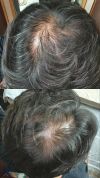
User shared 2-month progress using 6% minoxidil, seeing some regrowth. Others encouraged consistency and noted significant results typically appear around months 3-6.
A 44-year-old man experienced significant hair regrowth after switching from topical to 1.25mg oral minoxidil and 0.5mg daily finasteride, with no side effects. He noticed hair thickening after two months and credits the oral form's effectiveness.
OP uses 1mg finasteride, 2.5mg minoxidil, and 10mg biotin daily, along with a biotin, caffeine, and saw palmetto shampoo. OP noticed results after 5 months, with occasional heart palpitations from minoxidil.
A user shared progress pictures showing hair improvement after using 5% topical minoxidil for 8 months and 1mg oral finasteride for 4 months. The user is pleased with the results, noting less scalp exposure despite hair not being as thick as before.
The user reported using 1.1 mg finasteride, 5 mg minoxidil, 1 mg biotin, dermastamping twice a week, and Nizoral shampoo and anti-itch liquid. The replies praised the progress and suggested a follow-up at six months.
User is experiencing hair thinning and sebum overproduction after starting finasteride and a hair growth supplement containing biotin, iron, zinc, and calcium. They suspect the finasteride might be fake but have noticed a side effect of watery semen.
An 18-year-old male plans to start using minoxidil (5mg foam) and finasteride for hair loss. He is concerned about the effectiveness of using minoxidil once a day instead of the recommended twice daily.
The user is seeking an alternative to DualGen 15 that includes Minoxidil and Retinol but is less sticky and more convenient to use. They find the current product inconvenient due to its stickiness and long wait time before washing.
The user experienced serious hair loss and started using finasteride, minoxidil, microneedling, and argan/rosemary oil. They are asking if they can maintain hair regrowth by stopping minoxidil and continuing only with finasteride and microneedling.
OP is happy with hair regrowth results after 3 months on oral Finasteride 1mg and oral Minoxidil 2.5mg, and has added Biotin. Users suggest additional treatments like dermastamping and discuss potential side effects of Minoxidil.
A bodybuilder discusses homebrewing Minoxidil and RU58841 using propylene glycol or MCT. They inquire about the feasibility and potential risks of these methods.
User shared 3 months progress using Fin (oral) and Min (foam) for hair loss. Others suggested adding derma rolling and discussed dosages and experiences.
A 21-year-old is using oral minoxidil, rosemary oil, saw palmetto, and pumpkin seed oil for hair regrowth but is advised to use finasteride or dutasteride for better results. The user is hesitant to use DHT blockers due to cost and is seeking advice on whether their current regimen is effective.
Finasteride is humorously claimed to enable communication with sea mammals, with users sharing exaggerated side effects and alternative hair loss treatments like olive oil and onion. The conversation is satirical, with users joking about unusual experiences and results.
Stemoxydine's effects on hair growth are uncertain and not well-studied, with users reporting mixed results and concerns about maintaining gains. Some users combine it with 5AR inhibitors like Dutasteride, but results vary, and conditions like lichen planopilaris complicate treatment.
The user experienced significant hair improvement using rosemary and peppermint oils, alongside minoxidil, after other treatments like finasteride and pyrilutamide showed no results. They noticed reduced hair shedding and thicker hair, particularly in the mid and crown areas.
A user shared their hair regrowth progress after using oral minoxidil (3mg) and finasteride (1.1mg) for 11 weeks, noticing significant improvement and no bald spots, with the side effect of increased eyebrow and eyelash growth. They plan to update again in 6-9 months and have inspired friends to try the same treatment.
A user is seeking feedback on a homemade topical finasteride formula for hair loss, consisting of 7.5 mg of finasteride, propylene glycol, ethanol, and distilled water. They aim to achieve a 0.0125% solution by applying 2 ml daily.
A 24-year-old male with crown thinning and an oily scalp is seeking advice on shampoo recommendations and whether to restart minoxidil or try a hair growth serum. He is concerned about daily shampooing and managing greasy hair.
Kirkland Minoxidil 5% Foam is either sold out or very expensive, leading to frustration over limited options without propylene glycol. Alternatives like Rogaine and Foligain are discussed, with varying prices and ingredient differences.
A user received a prescription for a topical solution with Minoxidil 7%, Finasteride 2%, and Tretinoin 0.01%, to be used twice daily for three months. They are concerned about the safety of these dosages compared to commonly recommended lower dosages.
A user is using a mix of 15ml coconut oil and 6 drops of rosemary oil applied to the scalp three times a week for an hour before washing, seeking natural hair growth methods before considering medications. The user asks if this technique is effective and requests respectful advice.
The user wants to mix 0.2 ml of RU58841 solution with 2 ml of Alfatradiol to use 10 mg of RU58841 daily due to concerns about side effects. They are asking if this combination would be effective for hair loss treatment.
The user shared progress on hair loss treatment using oral minoxidil, dutasteride, and castor oil, noting no side effects and considering adjusting minoxidil dosage. They also discussed the potential benefits of microneedling for hair growth.
The user switched from Forhims to Numan topical treatment for hair loss, which includes finasteride, minoxidil, and azelaic acid, and is questioning the effectiveness of azelaic acid in the formula. They also mentioned that Numan has a higher concentration of minoxidil compared to their previous product.
Minoxidil's effectiveness is limited by the need for sulfation and proper transport to hair follicles, with tretinoin potentially enhancing its effects by promoting enzyme activity and keratinocyte differentiation. Tretinoin may improve minoxidil's response by boosting the expression of necessary enzymes and transporters.
A user stopped using minoxidil due to scalp irritation and is now using peppermint oil, noticing improved hair appearance but no growth yet. They are seeking a minoxidil brand that doesn't irritate the scalp and asking if others have had success with peppermint oil for hair loss.
Topical finasteride concentrations are likely much higher than necessary for effective follicular DHT suppression, with current standards being 100-1000 times above the theoretical minimum. Lower concentrations (0.001-0.0025%) might still work locally while minimizing systemic exposure.
The user saw hair regrowth after inconsistently using treatments like microneedling, peppermint and rosemary oils, ketoconazole shampoo, zinc pyrithione shampoo, and scalp massages, but stopped minoxidil due to heart palpitations. They plan to start a consistent treatment with a minoxidil and finasteride topical solution and will share results in six months.
Beta-sitosterol may inhibit 5-alpha reductase type 2 enzyme, potentially reducing DHT levels and promoting hair growth, similar to finasteride but possibly with fewer side effects. Its effectiveness and side effects compared to other treatments like saw palmetto and finasteride remain uncertain due to limited research.