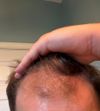
The conversation discusses hair loss treatments, specifically using Minoxidil, finasteride, and RU58841. Users suggest simplifying the application routine and question the absence of dutasteride.
The conversation is about making a hair loss treatment combining minoxidil with azelaic acid, retinol, and caffeine, similar to the product Xandrox. The user has tried Xandrox but switched to Kirkland minoxidil for cost reasons and is seeking advice on creating a similar mixture.
Capronium Chloride and Trichoxidil are suggested as better alternatives to Minoxidil for hair growth without heart side effects. The Japanese Dermatological Association recommends topical Minoxidil over Capronium Chloride.
The conversation discusses transitioning from topical to oral minoxidil for hair loss treatment and explores the potential use of Aminexil, despite concerns about its effectiveness compared to minoxidil. It highlights the risks and side effects of oral minoxidil, such as potential heart and liver damage, and emphasizes the importance of monitoring blood pressure.
Painkillers like Aspirin may reduce Minoxidil's effectiveness by inhibiting the enzyme PGHS-1, which is crucial for hair growth. Using NSAIDs that inhibit COX-2 or combining Minoxidil with PGF2/E2 analogues or retinoids may enhance its efficacy.
Spearmint tea and inositol are discussed as potential treatments for hair regrowth, but their effectiveness is questioned. Alternatives like green tea, MSM, and evening primrose oil are suggested for hair health.
A user discusses a topical treatment combining Minoxidil, Betamethasone Valerate, Canrenone, Finasteride, and Dutasteride for hair loss. The treatment is RX-only and provided by a dermatologist.
The conversation lists medications, oils, and herbs for hair loss, including FDA-approved treatments like Finasteride and Minoxidil, off-label options like Dutasteride and Clascoterone, and others like RU58841. It also mentions Rosemary oil, Saw palmetto, and Fo-Ti root as non-medical treatments.
Running out of Minoxidil while traveling and considering whether to buy it in Morocco or wait until reaching Italy. It is suggested to continue taking finasteride and wait for Italy to avoid fake products.
The conversation discusses hair regrowth after 3 months of using 2.5mg oral minoxidil and 0.5mg dutasteride, with mixed opinions on the effectiveness and suggestions to increase minoxidil dosage or consider a hair transplant. Some users recommend additional treatments like dermarolling and micro-needling, while others share personal experiences with side effects and alternative treatments.
A user's progress with hair regrowth after 3 months of using 1 mg finasteride and 5 mg minoxidil orally, despite some skepticism from other users. The user reports having low blood pressure and feeling fatigued as side effects, but others suggest switching to topical minoxidil for better results with less risk.
The conversation discusses the potential benefits of sublingual minoxidil for hair loss treatment. It suggests that sublingual minoxidil, which bypasses the liver, may have fewer side effects, greater bioavailability, and could be more effective than oral minoxidil.
The conclusion of the conversation is that the user has experienced significant hair regrowth using a combination of medications, including dutasteride, RU58841, and minoxidil. They have not experienced any noticeable side effects and are considering a hair transplant in the future.
The conversation discusses stopping oral minoxidil after 2 years and using rosemary/peppermint oil instead, with the concern of losing hair gains. Replies suggest that switching to oils will result in losing all the hair gains achieved with minoxidil.
The user experienced significant hair regrowth using a daily capsule containing 1mg finasteride, 2.5mg minoxidil, and 10mg biotin, with noticeable results after 3-4 months. They reported a decrease in libido as a side effect and considered switching to minoxidil only, but were advised against it.
Combining stemoxydine with topical minoxidil for hair loss treatment. Users discuss application order and effectiveness, with some skepticism about stemoxydine's benefits.
Topical liquid minoxidil may be safe to consume in small amounts, but it needs liver processing to become effective for hair growth. Therefore, oral pills might be more effective.
A user's 11-month progress using 5mg oral minoxidil for hair loss. The user reported significant hair regrowth, including on the beard and eyebrows, and experienced minor side effects like headaches and increased body hair.
Caffeine shampoos show comparable results to Minoxidil and may enhance its effects when used together. Caffeine can be detected in the scalp up to 24 hours after a 2-minute application, making it an affordable treatment option.
The conversation discusses incorporating peppermint oil into a hair loss treatment routine alongside minoxidil and possibly considering other second line options before using peppermint oil. Some people apply peppermint oil after minoxidil's absorption period or use shampoos containing peppermint oil.
Oral minoxidil can cause serious heart issues like cardiac hypertrophy and arrhythmias, prompting some users to reduce dosage or switch to topical treatments. Despite significant hair regrowth, side effects such as shortness of breath and chest pains are common concerns.
Trioxidil's effectiveness is questioned, with users suggesting it might be a marketing gimmick. Alternatives like Lipogaine and MSM are discussed, with some users sharing positive experiences with combining treatments like minoxidil and nanoxidil.
The user is using oral dutasteride, oral minoxidil, topical minoxidil, finasteride solution, tazarotene, calcipotriol, and a peptide serum for hair loss but is concerned about continued hair shedding. They are advised to stop smoking as it may worsen hair loss and to give the treatments more time to work.
A trans woman is using 10 mg oral minoxidil, dutasteride, and estradiol for hair regrowth and is also doing dermastamping despite the pain. Users discuss the benefits of dermastamping for serum absorption and hair follicle stimulation, with some expressing surprise at the high minoxidil dosage.
The conversation discusses using a mixture of 4% peppermint oil in jojoba oil to reduce flaking and dandruff caused by 5% Minoxidil lotion. The user reports significant improvement after one application of the oil mixture.
The user is experiencing positive results in hair regrowth after 7 months of using oral minoxidil (2.5mg) and dutasteride (0.5mg). They noticed reduced hair loss by the second month and hair growth and thickening by the fifth month, with no side effects reported.
The user is using Minoxidil 5% foam in the morning and a Minoxidil 5% + Finasteride 1% solution in the evening for hair loss. They are seeking advice on additional topical treatments to use midday, such as caffeine serums, peptides, Redensyl, or natural anti-inflammatories.
The conversation discusses using finasteride and ashwagandha for hair loss, with some users noting potential benefits and drawbacks. Minoxidil, peppermint oil, and creatine are also mentioned, with mixed opinions on their effectiveness.
The conversation is about using a blend of coconut oil, peppermint oil, and rosemary oil with minoxidil for hair loss, and whether it's safe to apply this blend after microneedling.