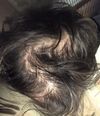
A user shared a 3-month hair regrowth progress using minoxidil and microneedling. They also use rosemary oil and plan to continue treatment for at least 6-9 more months.
The conversation discusses creating a topical hair loss treatment by dissolving melatonin in ethanol and possibly mixing it with castor oil, questioning the stability of the solution. An alternative of using glycerin is also considered.
The user is using a regimen for hair loss that includes topical and oral minoxidil, finasteride, a Musley holistic formula, homemade oil, and scalp massages. They are questioning if there is any progress in hair regrowth.
The conversation is about finding a pure high molecular weight hyaluronic acid for the scalp after microneedling. A user suggests using a product from The Ordinary.
A 28-year-old male shared his 46-day hair growth progress using finasteride, topical and oral minoxidil, derma stamping, keto shampoo, vitamins, and protein. He experienced initial shedding but saw improvement after adding oral minoxidil, with plans to continue for better results.
Retinol or tretinoin may improve minoxidil absorption and effectiveness. The user is considering using The Ordinary's 1% retinol as tretinoin is hard to get in their country.
A user shared their 4-month experience using minoxidil twice daily for hair loss, noting significant but slow progress in hair growth, especially around the temples and hairline. They also mentioned side effects like facial hair growth and dryness, and recommended minoxidil over other treatments like castor and coconut oil.
The user mixes their own RU58841 solution and found that increasing the ethanol content improved absorption and reduced scalp itching. A study on minoxidil showed that penetration increased with higher ethanol concentrations, reaching maximum penetration at 90% ethanol.
The user shared progress pictures showing significant hair regrowth after three months using 5% foam minoxidil, 0.3% dutasteride, microneedling, pumpkin seedoil, and rosemary oil. The user reported no side effects and chose topical treatments to avoid them.
The conversation discusses a botanically derived treatment for androgenetic alopecia using ingredients like saw palmetto, green tea, and evening primrose, showing impressive results over 270 days. Concerns include the study's uncontrolled nature and potential product motivation, with suggestions to enhance absorption through derma rolling.
The user has been using a hair regrowth regimen for 9-10 months, including topical finasteride and minoxidil, various oils, and supplements like multivitamins and omega-3. They observed fine hairs returning and a change in scalp texture after adding cinnamon oil, questioning if this indicates positive hair regrowth.
User sees subtle regrowth after two months using topical dutasteride, oral minoxidil, dermastamp, and oral castor oil. Others suggest waiting a few more months to properly evaluate results.
People discussed their experiences with peppermint oil for hair loss, with mixed results. Some users reported no hair loss after stopping peppermint oil, while others experienced shedding; one user noted improved scalp health when mixing it with minoxidil.
The user is experiencing hair regrowth using topical 0.3% finasteride and 6% minoxidil, with no side effects noted. They are considering switching to oral treatments if progress stalls, but are currently satisfied with the results.
Alfatradiol is used as a mild treatment to slow or stabilize hair loss, often alongside finasteride and pumpkin seedoil. Users report reduced shedding and minimal side effects, but minoxidil is noted as more effective for regrowth.
The conversation discusses hair loss treatment progress using Minoxidil, a 0.5mm derma stamp, and caffeine serum, with additional use of rosemary, peppermint, and olive oil. The user is avoiding DHT blockers like Finasteride due to potential interference with other medications.
The conversation is about hair loss treatments and vitamin recommendations. The user is using finasteride, minoxidil, biotin, pumpkin seedoil with saw palmetto, men's multivitamins, and is considering adding D3 + K2, Omega 3, Co-Q10, and magnesium glycinate.
A trans woman is using 10 mg oral minoxidil, dutasteride, and estradiol for hair regrowth and is also doing dermastamping despite the pain. Users discuss the benefits of dermastamping for serum absorption and hair follicle stimulation, with some expressing surprise at the high minoxidil dosage.
A 20-year-old used finasteride, minoxidil foam, and micro-needling for hair regrowth, experiencing initial shedding but later improvement with minimal side effects. They are happy with the results and seek advice on additional products like rosemary oil for scalp health.
A user who has had positive results from using a regimen of microneedling, finasteride, minoxidil, peppermint oil, keto shampoo and DHT organic shampoo for hair growth. The conversation also addressed whether to use .5mg or 1mg of finasteride and the difference between dermapens and rollers.
A 20-year-old experiencing hair thinning is considering treatments like minoxidil, finasteride, and various oils but is hesitant due to potential side effects. Users advise starting minoxidil and finasteride for effective results, while oils and supplements are seen as less effective.
A 30-year-old shared their 7-month hair regrowth progress using topical minoxidil twice daily, 1 mg finasteride daily, and weekly microneedling. Users discussed the effectiveness of these treatments and suggested adding retinol for better results.
The user improved diffuse thinning without finasteride by using minoxidil foam, cold showers, gentle hair drying, 2% ketoconazole, sulfate-free tea tree oil shampoo, dermastamping, and supplements like Omega-3, Vitamin-D, Biotin, Keratin, Collagen, B3, Zinc, and Magnesium. The regimen was followed for about six months under dermatologist guidance.
The user has been using finasteride (0.5mg), minoxidil (5% foam), dermarolling, and rosemary oil for 3 months, noticing baby hairs and some shedding. Advice given includes continuing the current treatment, considering additional treatments, and potentially increasing the finasteride dose.
The conversation discusses a person's 4-month hair loss treatment regimen using topical minoxidil, finasteride, ketoconazole, a dermastamp, and rosemary and peppermint oils. Progress pictures are shared to show the results.
User shared progress pictures of hair regrowth using topical Minoxidil, oral Finasteride (later switched to topical), keto shampoo, biotin supplements, and dermarolling. Hairline improved slightly, considering a hair transplant for further results.
Minoxidil and finasteride are effective for hair loss, especially when used together. Microneedling may enhance minoxidil's effects, but its standalone effectiveness is uncertain.
A 33-year-old who has been using minoxidil and finasteride, along with keto shampoo, rosemary oil, and microneedling to treat their hair loss. The user is hopeful they are starting to see progress in filling in bald spots.
The user started using minoxidil foam daily after two years on finasteride and is managing seborrheic dermatitis with antifungal shampoo. They seek advice on moisturizing products that won't worsen their condition, with suggestions including gentle shampoos and light ceramide serums.