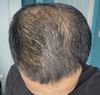
Lab-grown hair using iPSCs is being explored, but practical applications are limited. Finasteride is suggested as the only current effective treatment.
The conversation discusses new research on hair growth by Dr. Maksim Plikus, with a call for clinical trials to begin. No specific treatments are mentioned.
Han Bio plans to start Phase 1 clinical trials for a hair growth treatment in 2027 after successful results in mice. Many users express skepticism about the effectiveness of treatments that work on mice but not on humans, and discuss existing treatments like finasteride and minoxidil.
The post discusses the potential of upregulating aromatase to treat hair loss, suggesting that increasing CCL2 levels through Vitamin D or microneedling might help. The user questions why microneedling doesn't work for everyone, especially those with advanced hair loss.
Hair loss is linked to the loss of stem cells in hair follicles, and potential treatments include gene editing and microneedling. Discussions also mention using Minoxidil, finasteride, and dermarolling to improve hair growth.
Capilia Longa and Scandinavian Biolabs are discussed, with skepticism about their effectiveness and value. The conversation suggests avoiding these products due to high cost and perceived lack of results.
Hair follicle regenerative therapy is being developed, with clinical trials planned in Japan, potentially allowing for hair cloning and eliminating the need for treatments like finasteride. If successful, the treatment could be available in Japan by 2025, but widespread access and affordability may take longer.
Finasteride, Minoxidil, Bioneer CosmeRNA, Technoderma, Kintor, Hope, Breezula, and Follicum treatments showed increases in hair count, with Technoderma showing the highest increase at 24.3 hairs/cm². Amplifica has not yet published results.
The conversation discusses GT20029, a compound by Kintor Pharma that degrades androgen receptors and is in trials, with potential as a hair loss cure. Another promising treatment mentioned is an antibody that blocks prolactin and has shown positive results in macaques.
Stress can lead to hair loss by affecting hair-follicle stem cells, and this loss is harder to recover from if one has male pattern baldness (MPB). Treatments like finasteride and minoxidil are used to address hair loss, but stress-related hair loss differs from androgenic alopecia.
The conversation discusses "Hair bloom" hair filler, which contains biotin, collagen, and various peptides, as a potential alternative to PRP or mesotherapy for hair loss. Opinions vary, with some suggesting it may be a cash grab or ineffective, while others believe it could complement topical minoxidil for early hair loss.
Emerging hair loss treatments like PP405, a topical MPC inhibitor, show promise in activating stem cells for hair growth. The conversation seeks information on the development stages and accessibility of these treatments.
The conversation is about someone noticing hair regrowth after using a scalp massager and considering a hair transplant. People suggest using finasteride or dutasteride, but there's debate on their effectiveness and side effects. Some see progress, while others are skeptical without consistent photo evidence.
A 78-year-old man regrew hair after suffering burns, suggesting that injury-induced healing processes might trigger hair growth. Microneedling and other treatments like minoxidil and finasteride are discussed as potential methods to stimulate similar regrowth.
Amplifica is testing a compound called AMP-303 for hair loss, but it's not Scube3 or osteopontin. The timing for the results from the clinical trial is unknown.
The efficacy of degrading the androgen receptor through dermal application in DP cells, a delivery system for topical drugs that involves dissolving microneedles, and rosemary oil as an alternative anti-androgen.
Scientists discovered a potential baldness treatment from hairy moles, which can be injected like Botox. Users discussed the treatment's implications, including its safety and effectiveness.
The user is experiencing significant hair regrowth using 1mg finasteride, 5mg minoxidil, and biotin since April, and may not need a hair transplant. Another user suggests that if a transplant is desired, around 4,000 grafts could provide good coverage.
The user noticed hair regrowth after 4 years of hair loss, coinciding with lifestyle improvements like quitting smoking, exercising, and a better diet. They are curious if dormant follicles can recover under improved conditions.
Lifestyle factors like diet, stress, and nutrient deficiencies can impact hair regrowth, but their effects vary among individuals. Treatments mentioned include finasteride, dutasteride, and minoxidil.
AnagenInc is ready to produce a hair loss treatment called GT20029 if there is enough demand. People are discussing combining it with other treatments like finasteride and minoxidil, and some are concerned about the legitimacy and safety of gray market products.
New potential hair loss treatment uses molecules from hairy moles to stimulate follicle growth. Topical solution requires less frequent application, like Botox injections a few times per year.
SCUBE3 is a promising new molecule that can restart hair growth by reawakening dormant hair follicles. Users express skepticism about its availability timeline, with some hoping for release by 2026.
PP405 is moving to late-stage trials, showing potential for hair regrowth, with 31% of male patients experiencing a 20% increase in hair density. Veradermics is developing an oral minoxidil version, and there is interest in combining treatments for better results.
A satirical post humorously discusses a fictional hair regrowth drug called PP405, with users joking about its effectiveness and bizarre presentation. The conversation includes humorous reactions and references to the absurdity of the content.
BPC-157 may promote hair growth by increasing angiogenesis, similar to how Minoxidil works, though no direct research confirms this yet. Users report combining BPC-157 with Minoxidil and finasteride for better results, but concerns about long-term safety exist.
The user is using RU58841 for hair regrowth on the temples and is considering adding minoxidil. They are questioning the potential for vellus hairs to develop into fuller hair and the possibility of reactivating dormant follicles.
Cold shock therapy may promote hair growth, but cold alone is not effective. Combining treatments like minoxidil, finasteride, cold showers, spicy foods, and exercise may enhance results.
Hair loss discussion includes potential HMI-115 treatment. Topical mucuna pruriens shows good results, blocking prolactin possibly more important than blocking DHT.