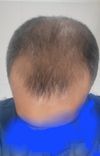
Hair growth can be induced without stopping DHT, as seen with Minoxidil. HMI115 may work by promoting follicle growth, not targeting the root cause of hair loss (DHT).
A 20-year-old experiencing hair loss since age 16 is using finasteride and minoxidil and is considering future hair transplants. Discussions include the potential for multiple transplants, the use of body hair for coverage, and the importance of treatments like dutasteride and scalp micropigmentation for maintaining hair density.
Pelage Pharmaceuticals' PP405 aims to treat hair loss by reactivating dormant hair follicle stem cells, showing promising results in early trials. The company plans to present their findings at the American Academy of Dermatology Annual Meeting in 2026.
Intradermal botulinum toxin (BTX) injections effectively treat androgenetic alopecia (AGA) by inhibiting TGF-β1 secretion from hair follicles. Further research and long-term follow-up are needed to confirm these findings.
PP405 is a new hair loss treatment in phase 2 trials that may promote hair growth by increasing lactate production and activating hair follicle stem cells. It could potentially replace hormone-disrupting treatments like Minoxidil and finasteride.
User is concerned about starting minoxidil due to potential effects on collagen production and skin aging. They have been using finasteride for almost 2 months.
SCUBE3 and GT20029 are potential treatments for hair loss, with SCUBE3 stimulating hair growth and GT20029 protecting against DHT. A combined approach using SCUBE3, finasteride or dutasteride, and later GT20029 could provide a comprehensive treatment for androgenetic alopecia.
A 25-year-old MtF individual has been using oral finasteride, oral minoxidil, and MtF HRT to treat androgenic alopecia, resulting in significant hair regrowth. However, the regrown hairs remain thin and short, and they seek advice on how to make these hairs longer and thicker.
The conversation is about the potential benefits of Rapamycin for hair pigmentation and regeneration, based on effects observed in mice. The original poster is seeking personal experiences from others using Rapamycin for longevity.
Rapamycin, finasteride, and minoxidil are discussed as a strategy for hair loss prevention and reversal. Pulsed dosing of rapamycin is suggested to avoid conflicting effects with minoxidil.
The conversation discusses hair loss treatments, mentioning minoxidil, finasteride, RU58841, VDPHL, GT20029, and follicle cloning as potential solutions. It also reveals that the discussion about PP405 was an April Fool's joke.
The conversation discusses the molecular structures of compounds that reduce DHT levels, including finasteride and Ashwagandha. It explores the potential of using Ashwagandha topically as a 5a reductase inhibitor.
Vitamin D deficiency is linked to hair loss, and supplementation with vitamin D can improve conditions like androgenic alopecia and telogen effluvium. Users discussed various dosages of vitamin D, emphasizing the importance of getting blood tests to determine the appropriate amount.
Microneedling may enhance hair regrowth by transferring stem cells to dormant follicles, improving the effects of minoxidil. Users discuss using microneedling with needle lengths around 1.5mm to stimulate hair growth.
The conversation discusses new hair loss treatments like stem cell therapy, exosome treatments, and DHI, with mentions of GT20029, Amp303, and Plated PRP Serum as promising options. It also notes the use of dutasteride, topical finasteride, and minoxidil, but the focus is on non-hormonal innovations.
The user is experiencing hair loss and is using treatments like finasteride, minoxidil, and hormone replacement therapy (estradiol enanthate injections) to address it. They are advised to be patient with the treatments and consider using a dermapen for microneedling.
GT20026 is discussed as a potential treatment for hair loss that targets androgen receptors without affecting hormone levels, but it may not promote significant regrowth. It is expected to be available by 2028, with other treatments like Breezula and Clascoterone also mentioned.
PP405 is considered a potential new treatment for hair loss, compared to finasteride and minoxidil. There is skepticism about its effectiveness in humans, with anticipation for more information from an upcoming conference.
A user shared their experience with oral minoxidil and finasteride for hair loss, taking 7.5mg of minoxidil and experiencing excessive hair growth all over their body without major side effects. Some users suggested lower doses for safety, while others shared their own experiences with hair growth in different areas and side effects.
Hair multiplication or cloning is not available anywhere in the world. The conversation also mentions treatments like Minoxidil, finasteride, and RU58841 for hair loss.
Hair follicle regenerative therapy is being developed, with clinical trials planned in Japan, potentially allowing for hair cloning and eliminating the need for treatments like finasteride. If successful, the treatment could be available in Japan by 2025, but widespread access and affordability may take longer.
8 months post hair transplant, OP experiences asymmetrical shedding despite using finasteride and starting minoxidil. The doctor suggests it might correct itself or be due to transplant trauma, recommending a wait-and-see approach.
Exosome injections stimulate hair growth by using exosomes' healing potential to awaken dormant hair follicles and promote new hair cell creation. The procedure increases scalp blood circulation, encourages collagen and elastin formation, and regenerates hair follicles, improving hair thickness and quality.
The individual is using oral minoxidil and finasteride to treat androgenetic alopecia with good results but is considering stopping due to concerns about long-term effects on the heart and potential hair dependency on the medication. They are also contemplating the impact of hair loss on gender dysphoria and considering the use of wigs as an alternative.
A human trial of verteporfin, a drug that can inhibit wound healing by scarring and promote regeneration of original tissue and hair follicles to provide an unlimited source for hair transplants; people discussed the potential of this drug and how it could be rolled out in mainstream with more doctors getting on board.
Hair loss theory suggests imbalance between Vitamin D Receptor (VDR) and Androgen Receptor (AR) activation. Proposed treatment includes upregulating VDR, downregulating AR, and improving mitochondrial health.
Melatonin is being considered as a potential treatment for androgenic alopecia, with some users discussing its effects and combining it with other treatments like minoxidil and finasteride. Concerns about melatonin's impact on hormones and side effects from other treatments like ketoconazole were also discussed.
New product Tomorrowlabs HSF targets hair loss through HIF pathway indirectly by removing scalp iron. Minoxidil and Stemoxydine also relate to HIF pathway.
A 31-year-old experiencing rapid hair loss is considering whether to shave their head or use treatments. They were prescribed B12, topical finasteride 0.1%, and minoxidil 10% but are unsure about the correct dosage and potential side effects.
DHT promotes beard growth but causes scalp hair loss due to inflammation and fibrosis. Treatments like finasteride and minoxidil help with hormonal signals and blood flow but don't address underlying inflammation.