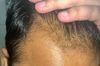
Hair loss discussion includes treatments like Minoxidil, Finasteride, and RU58841. Users share experiences and support, mentioning that many people face hair thinning.
Breezula shows promising hair growth results, with up to 539% increase in hair count compared to placebo, and regulatory submissions are planned in the US and EU. Users are cautiously optimistic, noting the potential for Breezula to replace finasteride by targeting DHT without systemic effects.
The user experienced new hair growth after switching from oral finasteride to topical RU58841 with minoxidil and undergoing stem cell therapy. They noticed new hairs at the hairline and temples, but are unsure which treatment is responsible.
A 21-year-old shared their 6-month hair regrowth journey using daily finasteride tablets and once-daily topical minoxidil, noting significant improvement in hair thickness, especially at the corners, with minimal side effects. They also mentioned using minoxidil for beard growth with limited success and occasionally using a dermaroller.
Hairline shows new growth, and hair quality and thickness have improved significantly after 10 months of oral Minoxidil and topical finasteride. The user also switched from a 0.5mm to a 1mm dermaroller.
HairClone aims to rejuvenate miniaturizing hair follicles through follicle banking and cell expansion, with treatments potentially available in the UK by 2022. The process involves extracting, storing, and cloning hair follicles, but full regenerative treatments will take many years to develop.
Thin, short hairs often appear in areas of hair loss but may not grow fully despite treatments like finasteride. Some users consider additional treatments like microneedling or hair transplants.
Body hair transplants may look better if kept very short. People with limited donor regions or waiting for Verteporfin or FAK Inhibitors could consider this option.
A user shared a 3-month progress update on using minoxidil and finasteride for hair regrowth, noting thicker hair. Replies included congratulations and advice on consistent lighting for photos.
The conversation discusses whether a longtime NW7 scalp has vellus hairs under a microscope or is completely smooth. Treatments mentioned include Minoxidil, finasteride, and RU58841.
The user is experiencing hair thinning at the front of the scalp and is seeking advice on regrowing long curly hair. They are considering treatments like Minoxidil, finasteride, and RU58841 to prioritize hair regrowth.
A person noticed hair thinning, changed their diet, and added collagen and vitamins to see if it would improve hair growth before starting finasteride and considering a hair transplant. Commenters suggest the appearance of hair regrowth may be due to the way the hair is combed rather than actual growth.
Minoxidil and finasteride have improved hair thickness and density, but temple areas remain stubborn. Continued use is recommended, with suggestions for topical minoxidil, microneedling, or considering a hair transplant for further improvement.
A 25-year-old user shared progress pictures after using oral finasteride and oral minoxidil for nearly four months, reporting significant crown gains and slight temple progress without side effects. The user chews a Hims 3-in-1 tablet and has not experienced any shedding due to starting with a shaved head.
The user, EggplantAncient7506, is asking if there is an improvement in their general hair quality after using Finasteride since December 22. Replies suggest that there is an improvement.
The user shared 11 months of progress using oral finasteride and minoxidil for hair regrowth, reporting no side effects. Feedback from others noted improved hair thickness and health.
The conversation humorously discusses a person with an unusually thick head of hair, with some users joking about using treatments like Minoxidil and finasteride. Many express envy or disbelief, while others suggest a haircut or comment on facial features.
Stemson Therapeutics announced a breakthrough in hair growth technology using stem cells. Users discussed the potential high cost and skepticism about the treatment's accessibility.
A 26-year-old has seen hair regrowth in 4.5 months using oral finasteride, topical minoxidil, and recently RU58841 on the temples. Suggestions include adding weekly microneedling to improve results.
The conversation discusses concerns about potential cognitive and emotional effects of finasteride, with the original poster planning to monitor their cognitive performance while using the treatment. A user responds that most people do not experience cognitive shifts, though some report subtle changes.
Han Bio plans to start clinical trials for a new hair multiplication technology this year, which could significantly reduce the cost and time of hair transplantation. The technology uses a single hair strand to cultivate enough cells for 30,000 hair strands.
The user has been using topical Minoxidil and Finasteride for 5 months and is questioning whether the new hair growth is genuine or just thin existing hairs. Another user suggests that comparison with before pictures is necessary to determine progress.
The conversation discusses the tension theory of baldness, suggesting that over-developed masseter muscles may harm hair follicles. Botox injections to relax these muscles reportedly led to an 18% increase in hair count in men with AGA.
A potential non-invasive topical treatment targeting the WNT Signaling Pathway for hair regeneration is being researched, with positive results on human hair follicle cells. Current effective treatments for hair loss include Minoxidil, finasteride, and hair transplantation.
Longitudinal partial follicular unit transplantation involves extracting part of the donor follicular unit, allowing the donor area to be overharvested without noticeable hair loss. The conversation questions if this method is practiced in clinics or if it's theoretical, and whether it relates to hair cloning or multiplication.