Oral minoxidil may cause dry skin and dark eye bags but doesn't significantly age the skin. Topical minoxidil is toxic to cats, and some users prefer finasteride.
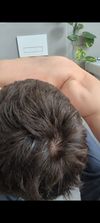
A 26-year-old male is documenting his hair regrowth journey using 0.5mg dutasteride and 5mg oral minoxidil, transitioning from 5% topical minoxidil. He reports no significant side effects after one week, except for slight water retention and increased libido.
The conversation is about finding a clearnet vendor for clascoterone, also known as Winlevi, for hair loss treatment. The user is seeking recommendations via direct message.
Ordering Pyrilutamide from Minoxidilmax to use as an experimental topical treatment for hair loss, with discussion of the carrier used in trials and encouragement from other users.
A 24-year-old woman with thinning hair is using Minoxidil, saw palmetto, biotin, rosemary oil, and ketoconazole. She seeks advice on whether to try finasteride or dutasteride, the effects of Minoxidil shedding, and the significance of her hair follicle condition.
A quercetin-encapsulated and polydopamine-integrated nanosystem (PDA@QLipo) shows promise for treating androgenetic alopecia by reshaping the perifollicular microenvironment, outperforming minoxidil in hair regeneration. The nanosystem promotes cell proliferation, hair follicle renewal, and recovery by scavenging reactive oxygen species and enhancing neovascularity.
The user experienced redness and itching from using 5% minoxidil and is considering trying a lower dose or alternative treatments like 2% minoxidil, mesotherapy, PRP, or rosemary oil. They are seeking advice on managing side effects and exploring other options for hair stimulation.
The conversation discusses the positive effects of taking 5 mg oral minoxidil and 0.5 mg oral dutasteride every other day for hair loss, with one user reporting thicker beard and eyebrows and improved appearance. Another user expresses frustration about not being able to access the treatment in Germany, while a different user mentions experiencing no side effects.
Triple Hair Inc. developed a new topical treatment, TH07, combining Finasteride, Latanoprost, and Minoxidil for androgenic alopecia. Users discussed its effectiveness compared to other treatments and shared their own product combinations.
Minoxidil foam and oral finasteride resulted in significant hair regrowth, especially on the hairline, with no side effects from finasteride. The user applied Rogaine 5% for minoxidil.
A user ordered Alpha Plus from Anagenica, expecting it to contain specific percentages of Fin, Estradiol, Minoxidil, and CB0301. However, the received product's label showed different percentages, including a surprising 25% CB, leading the user to question its safety and accuracy.
The user has been using oral minoxidil at 10 mg daily, split between morning and night, alongside finasteride for 7 years, and reports new hair growth at the temples. Many users express concern over the high minoxidil dosage, citing potential health risks, while others question the effectiveness and necessity of such a dose.
AB-103, a minoxidil sulfotransferase stimulant, is discussed as a potential hair loss treatment. Users inquire about effective boosters for hair growth.
The safety of combining alfatradiol and fluridil with finasteride as a potential treatment for male pattern baldness, which is approved in the European Union. Other treatments such as minoxidil and RU58841 were also discussed.
The conversation is about the legitimacy and affordability of ordering a Minoxidil response test from TrichoGene, an India-based company, as an alternative to Daniel Alain. The user is seeking feedback on whether TrichoGene is a reliable option.
Exosomes, cetirizine, melatonin, latanoprost, and caffeine are discussed as potential hair loss treatments. There is skepticism about the effectiveness of exosomes, especially in topical form, but some users report positive results.
Switching from topical to oral minoxidil caused heavy shedding and thinner, brighter hair. The user is seeking advice on whether hair can recover to its previous state.
Taking Minoxidil topically for hair loss and the results, which included jokes about castration, Daenerys Targaryenism, and a hair system. People in the conversation also shared positive affirmations and humorous comments.
Minoxidil may suppress androgen activity in hair follicles, potentially aiding in hair growth and prostate cancer treatment. Users discuss the effectiveness of minoxidil and finasteride for hair maintenance and regrowth, with some preferring topical applications over oral due to safety concerns.
A 31-year-old has been on finasteride for 8 years and is experiencing less dense hair and itchiness, and is considering adding minoxidil or RU58841 to their regimen. They are also inquiring about the benefits of oral versus topical finasteride.
Spraying or drinking topical minoxidil is dangerous and less effective than oral minoxidil. Proper oral minoxidil, like Loniten®, is recommended for safety and effectiveness.
A user from India discusses using a topical solution containing Minoxidil (50mg) and Finasteride (1mg) twice a day for thinning hair and Norwood 2/3. The dermatologist recommended it for maintenance with slim chances of regrowth, and the user seeks advice on its use.
A woman experienced increased body hair and acne with minimal hair improvement after switching from topical to oral minoxidil. Suggestions included reducing the oral dose, trying spironolactone, returning to topical minoxidil, or considering laser treatment for body hair.
The conversation discusses making a topical melatonin solution for hair loss treatment, questioning if isopropyl alcohol can dissolve melatonin. Melatonin is soluble in lipids and alcohol, but it's unstable and should be mixed fresh regularly; it may help hair growth by affecting certain cellular signaling pathways and has anti-androgenic effects.
People are discussing JXL-069 (PP405) for hair loss, with some experimenting with a 0.05% topical gel. Concerns about safety and efficacy persist due to limited testing and lack of official approval.
The user, Albertgejmr, is happy with their progress in treating hair loss using 15mg oral minoxidil and 0.5mg Dutasteride. Some users express concern about the high dosage and potential side effects.
RU58841 powder is mixed with a 70% ethanol and 30% propylene glycol solution, with some users seeking PG-free alternatives. Minoxidil is also mentioned as a treatment option.
Switching from alcohol-based to aqua-based minoxidil is discussed, specifically Cosmofix Minofix 5%. Users share experiences and opinions on the effectiveness and side effects of the switch.
Using a microdose of finasteride on the scalp with minoxidil as a carrier may have positive effects with minimal side effects. The user is also considering the effects of sulforaphane or broccoli sprouts on hair loss.
![M26 Regrowth Journal [0.5mg dut + 5mg oral minoxidil]](/images/assets/08be6f74-78ff-4abd-86db-488d3602c9f7/small/18396.jpg)