Search
for
Sort by
Community Join
600-630 / 1000+ resultscommunity Starting to doubt how effective oral minoxidil is. Loniten / Loxidil Forte
User doubts oral minoxidil's effectiveness after a month of use and shedding. Few people provide photo evidence of success, and some combine it with other treatments, making it hard to determine its effectiveness alone.
community using Minoxidil 5%+Tretinonin+Azelaic acid topical solution for past 2 months. how's the progress?
A user shared progress pictures after using a topical solution containing Minoxidil 5%, Tretinoin, and Azelaic acid for two months. The conversation discusses the effectiveness of this treatment for hair loss.
community HMI-115 question about potential earliest access
Hair loss treatments discussed include Minoxidil, Finasteride, and RU58841. HMI-115, a monoclonal antibody drug, is in phase 1 and 2 trials for different conditions, but its availability on the gray market is unlikely due to high production costs.
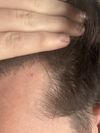
community M22 1 month topical minox/fina
The user has been using topical finasteride and minoxidil for a month to address hair thinning. They are experiencing shedding but have noticed small hairs on their temples.
community It's just 10 weeks after my 2nd Hair Transplant, but man, Oral Minoxidil + whatever didn't shed is already good enough for me. Just a tiny bit of fibers and/or Dermmatch and I have full head of hair.
Hair loss discussion includes treatments like hinoki tree oil and procyanidin b2. Experiences and effectiveness of these treatments are shared.
community This is from 3,5 months on oral minoxidil (left) to around 6 months (right, taken today). Did my best to take both pics in natural lighting facing with crown facing a window and taking the pics from the same angle. Already on dutasteride before starting oral minox.
A user's progress using oral minoxidil and dutasteride to treat hair loss, which has yielded positive results. Other users have wished him luck in his journey.
community 6 weeks on minox and dut, looks like some temple gains?
The conversation is about a person's 6-week progress using 2.5 mg oral minoxidil, 0.5 mg dutasteride, weekly derma stamping at 1.5 mm, and rosemary oil for hair loss, with some initial shedding but no side effects. They are optimistic about future results.
community Regrowth or continued regrowth or continued thinning? [Dutasteride+Oral minoxidil]
A user's concern with their hair thinning while using dutasteride and oral minoxidil, which was switched from finasteride and topical minoxidil after 13 months. The conversation includes advice surrounding potential results, specific treatments used, and side effects.
community Topical Minoxidil foam + Finasteride
The conversation discusses using minoxidil foam as a solvent for topical finasteride. Ingredients of minoxidil foam include butane, cetyl alcohol, glycerin, and purified water.
community Day 155 of 5mg oral minoxidil + 0,5mg oral dutasteride daily
A user shared progress on hair regrowth using 5mg oral minoxidil and 0.5mg oral dutasteride daily, noting small hair growth and no significant side effects except bushier eyebrows. The conversation includes encouragement, personal experiences with hair loss treatments, and discussions on the effectiveness of microneedling.
community Minoxidil/finasteride Three month update
community Why the fuck dont my temples/ vertcle bars become more thicker?
A user is frustrated with slow and thin hair regrowth at the temples despite using Minoxidil for six months, along with dermastamping, oiling, vitamins, and exercise. They are seeking advice on why vellus hairs are not thickening.
community Hypertrichosis goals (yes, yes R2M)
The user aims to achieve a hypertrichosis look and has used topical Minoxidil for 20 years, now trying oral Minoxidil in a low dose. They seek alternatives to Minoxidil to avoid side effects.
community Hypertrichosis Photos from Oral Minoxidil
A user shared their experience with oral minoxidil and finasteride for hair loss, taking 7.5mg of minoxidil and experiencing excessive hair growth all over their body without major side effects. Some users suggested lower doses for safety, while others shared their own experiences with hair growth in different areas and side effects.
community Minoxidil asking advice as an 23F
A 23-year-old woman is considering starting minoxidil for hair thinning but is concerned about its long-term use and effectiveness. Recommendations include consulting a doctor, checking ferritin levels, and considering treatments like spironolactone or finasteride, while minoxidil is suggested for regrowth but not as a primary treatment.
community Little hairs sprouting after 10, years of NRW 7
A 35-year-old man with 10 years of hair loss at NRW7 started using topical Minoxidil and noticed some hair regrowth. He plans to continue with Minoxidil, add microneedling, and possibly try topical treatments like finasteride or dutasteride.
community Using 23andme to insight minoxidil response / SULT1A1 activity
The conversation discusses using 23andme to determine if someone might respond well to minoxidil for hair loss treatment, and mentions the user's personal experience with micro-needling and minoxidil.
community NMN Promotes Cell Proliferation and Hair Growth by Reducing Oxidative Stress
NMN shows promise in promoting hair growth by reducing oxidative stress and weakening androgens. It may be a beneficial addition to hair loss treatments like Minoxidil and Finasteride.
community Which Saw Palmetto is good for blocking 5 alpha reductase, Serenoa repens or Chamaerops humilis?
The conversation is about determining which type of Saw Palmetto, either Chamaerops humilis or Serenoa repens, is effective for inhibiting the 5 alpha reductase enzyme related to hair loss. Specific treatments mentioned are Minoxidil, finasteride, and RU58841.
community M24 Minoxidil + Finasteride 4 Months Progress
community Is something finally happening here? What do you think?
The conversation discusses hair regrowth using RU58841 and Minoxidil in the morning, and Minoxidil with needle massage in the evening. The user is inquiring if there are signs of hair regrowth by comparing photos from September 3 to recent ones.
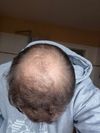
community M25 - Start taking meds or shave it off?
The conversation is about a 25-year-old considering whether to start using hair loss treatments like Minoxidil, finasteride, or RU58841, or to shave his head. He is seeking advice due to his family history of baldness.
community Using Minox two months (results pics) Maybe to start with Finasteride?
The user saw decent results using Minoxidil 2%, Alpecin shampoo, and Mycoseb shampoo for hair loss. They are considering starting Finasteride and Minoxidil 5% but seek advice on whether to use them now or later.
community Minoxidil 8 Months - No improvements
community Which RU/Min combo would you go with?
Choosing between two hair loss treatments, with a preference for a higher concentration of RU58841 and 5% minoxidil, avoiding oils like castor and argan that may hinder absorption.
community New vellus all over — just 9 days into once-daily 5% minoxidil.
The user has been using 1 mg finasteride for three months and recently started using 5% minoxidil once daily, resulting in new vellus hair growth. The user is hopeful that minoxidil will positively impact terminal hairs and is considering adding a derma stamp to the routine.
community Whats the deal with TDM-105795?
TDM-105795 is a potential hair growth stimulant that works differently from minoxidil and could be used alongside it for enhanced growth. It completed phase 2 trials in 2024, with a medium to high chance of release in 2026, but lacks recent updates or phase 3 trial information.
community Why I believe alfatrodial and fluridil combined with minoxidil is an effective treatment. My experience.
The user believes that combining alfatrodial and fluridil with minoxidil effectively maintains hair, based on their 7-year experience. They suggest this combination for those who can't tolerate finasteride.
community RootBioTec? Basil extract for hair growth
RootBioTec, a basil hairy root extract, claims to reduce hair loss by 31% in two months by inhibiting 5α reductase II and stimulating hair follicles. There is limited independent information available about its effectiveness.