Finding acceptance of hair loss through psychedelics, and the potential benefits of shrooms. Discussions include sharing experiences with minoxidil, finasteride, nutrafol, laser therapy, micro needling, as well as mental health concerns such as depression, suicidal thoughts, and self-esteem.
A person's progress after 9 months of using finasteride, micro-needling and minoxidil for hair loss; people offering encouragement that the progress so far has been good and will continue.
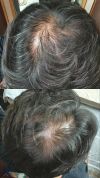
User experienced rapid thinning on crown, used dutasteride for 3 months with significant improvement. Microneedling and ketoconazole were also used, but no minoxidil or finasteride.
A 22-year-old from India is using finasteride, Trichoton AT, and a multivitamin to address hair loss, noticing some regrowth. They are concerned about weight gain and the psychological effects of masturbation but find no strong evidence linking it to hair loss.
A user experienced extreme hair growth on their hairline and temples using natural remedies like onion juice, nail rubbing, more veggies and fruits, less carbs, jojoba oil, and dermarolling. They did not use Minoxidil, finasteride, or any prescription drugs.
The post discusses hair loss treatments, specifically using minoxidil, finasteride, nizoral, and sulfur-including shampoo. The author shares personal experiences and tips for application, frequency, and managing side effects, noting significant regrowth with both minoxidil and finasteride.
A user experienced severe hair loss after stopping Accutane and is concerned about using Minoxidil due to anxiety and doubts about its effectiveness. They are seeking advice on whether the hair loss will resolve on its own and if they should expect recovery soon.
Sapphire FUE uses sapphire-tipped blades for more precise incisions, but the surgeon's skill and overall procedure management are more crucial for success than the blade type. Both Sapphire and Standard FUE can yield similar results, with recovery influenced more by individual factors and aftercare than the blade used.
A 40-year-old user shared impressive hair regrowth results after three months using a topical spray containing minoxidil, finasteride, and ketoconazole, along with occasional dermarolling. The treatment, from the brand Hims, was effective despite initial skepticism, and the user credits the community for their support and information.
A 23-year-old male has been using finasteride and topical minoxidil for 14 months with slight improvement, but recent shedding led him to switch to a new minoxidil formulation without success. He is considering using topical RU58841 or dutasteride to better address scalp DHT, as his bloodwork shows high total testosterone and mid-range DHT levels.
Matthew McConaughey's hair restoration methods are speculated to involve hair systems, transplants, and treatments like finasteride and minoxidil. Many believe he falsely credits his hair regrowth to Regenix, while others suggest he uses a combination of treatments for a natural look.
The conversation is about using RF microneedling with ExoHealer, along with finasteride and minoxidil, to improve hair thickness and reduce shedding. The user reports noticeable improvements in scalp texture and oiliness, with plans to consider stem cell treatments in the future.
The user is considering adjusting tretinoin strength to enhance minoxidil effectiveness, questioning whether to use 0.025% or 0.01% instead of 0.05% due to increased hair shedding. They have been using finasteride, minoxidil, and Nizoral, and are contemplating reintroducing microneedling.
A 17-year-old is using topical minoxidil for hair loss and is considering other treatments like ketoconazole shampoo and saw palmetto while waiting to start finasteride at 19. Suggestions include using oral minoxidil, topical antiandrogens like RU58841, and CB-03-01, with a focus on minimizing systemic DHT impact.
Dutasteride may reduce bone mineral density, but there's no increased risk of osteoporosis or fractures compared to finasteride. Users suggest resistance training to counter potential bone effects.
A 22-year-old male has been using finasteride for 5.5 months to address hair loss, experiencing diffuse density loss but no hair fall. He corrected a vitamin D deficiency and noticed new hair growth, seeking advice on whether thinning stabilizes after 3-6 months or if switching to dutasteride is advisable.
A 22-year-old male experiencing diffuse hair thinning has been using finasteride, initially at 0.5mg and then 1mg daily, but sees no improvement. Despite correcting a vitamin D deficiency and noticing some new hair growth, he questions the effectiveness of finasteride.
PP405 is being discussed as a potential new approach to hair loss by targeting follicle stem cells, suggesting a different mechanism from existing treatments like finasteride and minoxidil. However, there is skepticism about whether it will lead to meaningful long-term outcomes or follow the pattern of previous treatments that showed promise but lacked consistent results.
The user experienced significant hair regrowth after 7 months using 1mg finasteride and 2.5mg oral minoxidil, with initial lightheadedness as the only side effect. The user feels more confident and believes the minoxidil contributed most to the regrowth.
A 25-year-old shared their 9-month hair regrowth journey using oral minoxidil, finasteride, a topical hair serum, microneedling, and ketoconazole shampoo. They experienced significant improvement in hair density and health, emphasizing the importance of consistency in treatment.
The conversation discusses the effectiveness of Vichy Dercos Aminexil Clinical R.E.G.E.N. Booster for hair shedding and thinning. The main ingredient, Aminexil, is compared to Minoxidil, and the user seeks real experiences to determine its efficacy.
The user is considering a hair transplant for crown hair loss but is anxious about recovery and results. They are debating whether to try oral minoxidil for 6-12 months before surgery and whether to address their hairline during the transplant.
A 25-year-old is experiencing hair regrowth after 3 months using minoxidil, tretinoin, oral finasteride, RU58841, dermastamping, ketoconazole shampoo, scalp massage, vitamin D, and biotin. They are considering whether to continue this treatment or plan a second hair transplant.
Peptides are being discussed for potential hair loss treatments, but most are not proven effective for this purpose. Minoxidil and finasteride are mentioned as more reliable options for hair growth.
A 24-year-old male with crown thinning and an oily scalp is seeking advice on shampoo recommendations and whether to restart minoxidil or try a hair growth serum. He is concerned about daily shampooing and managing greasy hair.
Oral minoxidil caused changes in hair texture, making it curly, dry, and lifeless, raising concerns about whether this is a temporary phase or permanent. Users discussed potential side effects of oral minoxidil, including heart issues, and suggested consulting a dermatologist and monitoring health markers.
Adding RU58841 to a regimen of 2.5 mg dutasteride and 5 mg oral minoxidil for potential hair regrowth. Some users suggest a biopsy to determine the cause of hair loss, while others discuss the effectiveness and side effects of various treatments.
The trichologist avoids recommending Minoxidil, focusing instead on changing medications monthly for seborrheic dermatitis, resulting in only slight improvement in hair quality and loss. The user is considering starting Minoxidil independently due to slow progress and personal distress.
The user is experiencing shedding of thick, healthy hair after using KX826 0.5% for a month. They are concerned about losing coverage and are seeking others' experiences with regrowth.