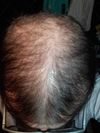
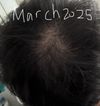
The conversation is about the claim that oral minoxidil can make hair grow on bones. The conclusion is that this claim is not true, as evidenced by the user's head being bald while the body is furry.
Minoxidil's effectiveness can be impacted by scalp health, with dryness and inflammation leading to hair loss. Using a scalp conditioner with tea tree and Nizoral twice a week improved scalp condition and hair strength.
The user saw decent results using Minoxidil 2%, Alpecin shampoo, and Mycoseb shampoo for hair loss. They are considering starting Finasteride and Minoxidil 5% but seek advice on whether to use them now or later.
2-deoxy-D-ribose, a sugar molecule, is found to be 80%-90% as effective as Minoxidil in promoting hair growth, showing potential for alopecia treatment. Concerns include high cost, lack of human studies, and possible side effects like diarrhea and nausea.
Switching from minoxidil to rosemary oil led to rapid hair shedding, but there are signs of new hair growth with the use of rosemary oil and a derma-roller. Users suggest that rosemary oil is less effective than minoxidil, and recommend trying a cheaper 2% minoxidil option.
A user is pleased with their hair regrowth after 3 months using Minoxidil 5%. They plan to start Finasteride upon returning home, and others discuss the importance of consistency and patience with hair loss treatments.
A man with thick, white hair is admired for his genetics, leading to discussions about hair loss and the preference for white hair over balding. Some speculate about the use of treatments like finasteride.
A 22-year-old male experienced hair thinning and found minoxidil ineffective, with blood tests showing deficiencies in zinc, vitamin B12, vitamin D3, and possible hypothyroidism. Another user suggested adding topical finasteride to the regimen, which helped them regrow hair effectively without side effects.
After adding tretinoin to minoxidil for hair loss treatment, the user experienced increased shedding and no visible regrowth, despite also using microneedling and ketoconazole shampoo. The user cannot take finasteride due to side effects and is seeking advice on whether to continue with the current routine or modify the use of tretinoin.
A 43-year-old with a history of hair transplants and long-term finasteride use reports seeing hair regrowth after adding oral minoxidil, micro-needling, and resuming topical minoxidil. Users agree that the hair appears thicker and denser.
A 30-year-old is seeking advice on hair loss treatment, currently using oral minoxidil, finasteride, mesotherapy, and a supplement. They are experiencing shedding and are anxious about the effectiveness of the treatment, asking if they should continue or consider other options like topicals or microneedling.
A user shared a nine-month hair regrowth progress using 5mg oral Minoxidil and 1.25mg oral Finasteride daily, with noticeable improvement and no side effects, despite a high-protein diet, occasional smoking, and regular exercise. They also mentioned using keto shampoo and having naturally increased body hair by about 10%.
Hopeful treatments for hair loss, including Verteporfin, Androgen Receptor Degradation, and SCUBE3. These treatments offer potential solutions to slow or stop the effects of androgens on the scalp.
The user has been using topical minoxidil (5%) for two years and kx826/pyrilutamide for one year, after experiencing side effects from finasteride. They report positive results from the combination of minoxidil and kx826 in combating hair loss.
The user experienced hair regrowth using finasteride and topical minoxidil, with consistent application and lifestyle changes like using cold water and exercising. They noted initial shedding when restarting minoxidil but saw positive results over six months.
Topical 2-deoxy-D-ribose (2dDR) regrows hair in mice almost as well as 2% Minoxidil. However, 2dDR may contribute to oxidative stress and hair loss due to the formation of advanced glycation end products (AGEs).
Minoxidil is effective for frontal hair loss, despite packaging suggesting it's for crown thinning. The user has seen results with Minoxidil from a different provider.
A blood cancer survivor in remission since 2022 is experiencing thin and patchy hair after chemotherapy and is using Minoxidil without much success. They are seeking personal experiences and advice on hair transplants after cancer treatment.
User shared progress pictures of hair regrowth using topical Minoxidil, oral Finasteride (later switched to topical), keto shampoo, biotin supplements, and dermarolling. Hairline improved slightly, considering a hair transplant for further results.
The user used Kirkland brand minoxidil foam twice daily for a year and noticed initial progress, but feels they might be losing progress or experiencing shedding. They are considering starting finasteride but prefer to avoid it and are seeking hair styling advice.
Homelessness is humorously proposed as a solution to hair loss due to less grooming and stress. Treatments like Minoxidil and Finasteride are discussed, with genetics and lifestyle also considered important factors.
A recent discovery in hair cloning identified a previously unknown cell type essential for hair follicle growth, which could potentially make lab-grown hair viable if translated to humans. However, skepticism remains due to past delays and the challenges of replicating results in humans and making the process affordable.
A user experienced side effects from hair loss treatment and contacted HIMS, resulting in their subscription being canceled. They were taking Zinc to manage symptoms and are considering consulting a doctor.
Deoxyribose sugar gel may stimulate hair regrowth similarly to minoxidil by enhancing blood supply and follicle activity. Human trials are necessary, and current products have mixed results.
This user, "ediblediety", has been taking oral minoxidil (1.25 mg daily), keto shampoo and occasional derm-rolling for 4 months to treat their hair loss, and they have experienced a shedding phase after the first few weeks of use. They report improvements in the thickness of their facial and body hair, but note that this may be daunting to women.
The user shared an 11-month hair loss treatment update, maintaining the same regimen but adding vitamins and increasing minoxidil application to 1ml during the day. It's unclear if the vitamins contributed to any changes.
With a head full of hair, like a phoenix!
This user has experienced positive results from using topical minoxidil and oral finasteride for 12 months, followed by 5 months of only topical use, as well as microneedling before application for 4 months. They are now considering a hair transplant in order to further enhance their results.
The user has been using minoxidil 5% and finasteride 0.1% topically, along with oral minoxidil and finasteride, for three months without major improvement in hair loss. They are also taking vitamin D3, B12, iron, and zinc supplements.