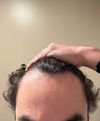
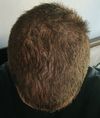
A user is considering taking oral minoxidil 3mg every other day or thrice a week to minimize side effects and save money. They seek opinions on this dosing strategy.
Hot weather can increase hair shedding, possibly due to dehydration and active sebaceous glands. Using shampoos with salicylic acid or zinc pyrithione may help; daily anti-inflammatory use is not recommended.
MCL-1 is important for hair follicle stem cell survival, but its impact on human hair regrowth is unclear. Minoxidil and finasteride are the main treatments, with doubts about new discoveries leading to effective human solutions soon.
The user shared progress pictures showing significant hair regrowth after 8 months using finasteride and Minoxidil foam. They have not used microneedling and are considering oral Minoxidil but currently use topical Minoxidil and oral finasteride.
The user has been using 5% minoxidil and finasteride for a year and recently noticed three new hairs, but other baby hairs aren't growing. They are considering switching to only minoxidil.
The conversation discusses microneedling techniques and the use of Minoxidil, copper peptides, EGF, FGF, ceramides, and hydration serums to enhance hair growth. It explores optimizing scalp conditions and the potential benefits of various compounds in conjunction with microneedling.
A 24-year-old started using 1 mg oral finasteride, 5% topical minoxidil, and 1 mm microneedling every other week for hair loss, reporting no side effects and noticeable improvement after four months. The user clarified a typo in the title, initially suggesting meditation instead of medication.
Switching from Kirkland minoxidil foam to a topical finasteride/minoxidil solution can cause significant hair shedding. The user also uses dutasteride, RU58841, and pyrilutamide in their treatment regimen.
Minoxidil foam can be used with styling products, but it's best to wait before applying fibers. Switching to night application may help maintain hairstyle.
The user underwent two FUT hair transplant surgeries with subpar results, leading to disappointment and continued use of Minoxidil, laser cap, dermaroll, and biotin. They advise thorough research before committing to hair transplants, especially for those with advanced hair loss.
The conversation is about the perceived risks of oral minoxidil compared to spironolactone for treating hair loss, with the original poster currently taking spironolactone due to concerns about oral minoxidil's safety.
The conversation is about a user unsure if their dermatologist-prescribed treatment is Minoxidil and concerned about its safety for cats. The treatments discussed include Minoxidil, finasteride, and RU58841.
Kirkland Minoxidil 5% Foam is either sold out or very expensive, leading to frustration over limited options without propylene glycol. Alternatives like Rogaine and Foligain are discussed, with varying prices and ingredient differences.
A 20-year-old is experiencing hair thinning and is considering Clascoterone and Minoxidil as treatments, avoiding finasteride due to concerns about fertility and hormones. A suggestion was made to use Clascoterone for local DHT targeting and combine it with Minoxidil for maintenance and regrowth while avoiding systemic side effects.
The user discussed their hair loss treatment routine, which includes using Minoxidil, caffeine, biotin liquid, and RU58841 twice daily, Nizoral twice a week, and microneedling once a week. They plan to switch to rosemary essential oil after seeing full hair regrowth.
The conversation discusses a natural alternative to Minoxidil for hair loss, with users suggesting peppermint oil and rosemary oil as potential weaker substitutes.
A user experienced side effects from hair loss treatment and contacted HIMS, resulting in their subscription being canceled. They were taking Zinc to manage symptoms and are considering consulting a doctor.
The user is experiencing hair shedding after using oral finasteride and topical minoxidil, questioning if this is normal. They are concerned about thinning at the hairline despite using these treatments.
The conversation discusses using ketoconazole, an anti-androgen, for hair loss and whether mesotherapy with dermarolling could enhance its absorption into the scalp. The user questions if the typical 2% ketoconazole shampoo dose would be effective when used after dermarolling to target androgen receptors in the scalp.
The conversation discusses challenges and tips for applying liquid topical minoxidil twice a day, with users sharing their experiences and methods for managing greasy hair. Many users apply minoxidil once at night, and some combine it with finasteride for better results.
The user is questioning if they are experiencing hair regrowth after using topical Minoxidil for 4-5 months, noting increased body hair but uncertain head hair changes. Other users suggest the appearance is due to a natural cowlick rather than balding.
A user shared their 2-year hair recovery journey using minoxidil, microneedling, finasteride, iron, zinc, selenium, cyproterone, and estrogen. They started losing hair at 15 and are now 24.
The conversation humorously discusses hair loss treatments, mentioning "oral miraclegro," "topical roundup," "spectracide," "Cow Dung mesotherapy," and "weekly Foot stepping sessions." The user jokingly considers switching to "weed and feed" as a treatment.
Aminexil is similar to Minoxidil but less effective and not widely used, with some users reporting minor regrowth. It is not FDA-approved and has been removed from some products, though some people still use it, often in combination with Minoxidil.
Microneedling with finasteride, minoxidil, DMSO, and black seed oil shows mixed hair regrowth results. There are concerns about DMSO's safety and effectiveness.
A 17-year-old is experiencing genetic hair loss and is considering treatments like Minoxidil, Rosemary oil, or Finasteride. They have a vitamin D deficiency but believe it is not the cause of their hair loss.
A 32-year-old man started oral minoxidil at 0.625mg daily, alongside topical minoxidil, to address hair thinning after experiencing side effects from other treatments. He plans to monitor his health closely and adjust the dosage after two months.
Poor sleep quality may affect hair growth cycles by disrupting the body's natural clock and stress hormones. The focus should be on improving sleep to support overall health, including hair growth, rather than relying solely on treatments like Minoxidil, finasteride, or RU58841.
A user shared their positive experience with hair regrowth after six months of using minoxidil and finasteride, reporting no side effects. They showed progress photos and expressed hope for full restoration of their hair.
Liver problems may reduce the effectiveness of oral minoxidil due to impaired SULT1A1 enzyme activity, which is crucial for converting minoxidil to its active form. This reduction in enzyme function can significantly decrease the drug's effectiveness in promoting hair growth.