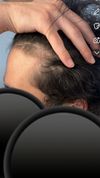
A user trying various treatments for hair loss, such as minoxidil, stemoyxidine, alfatradiol, and microneedling, with plans to add tretinoine and finasteride.
Tretinoin can make minoxidil more effective for hair loss treatment, but some users did not see improved hair density with this combination and had better results with dutasteride.
Scientists discovered a sugar gel, 2dDR-SA, that increased hair growth in mice. Users discussed its potential, comparing it to other treatments like Minoxidil and finasteride.
Using topical Minoxidil, Finasteride, and Tretinoin, along with low-dose Accutane, may enhance hair growth. Tretinoin is believed to improve Minoxidil absorption.
The user shared six months of progress using oral finasteride (1.2mg) and minoxidil (3mg) with positive results. They do not use topical minoxidil and have not experienced side effects like erectile dysfunction.
2% fucoidan alleviated AGA symptoms, promoted hair growth, and increased hair density in mice. Fucoidan is considered safe for humans as a supplement and topical skincare product, with potential therapeutic effects against AGA.
PP405, a topical treatment, shows promise for hair growth by activating inactive follicles, with 66% of participants experiencing positive results. The treatment is well-tolerated and may proceed directly to Phase 3 trials, offering a potential alternative to minoxidil and finasteride.
The conversation discusses using a custom topical from Skin Medicinals containing latanoprost for hair loss, which helps move hairs into the anagen phase. The user is curious about the cost and effectiveness of this treatment.
A 27-year-old male is using a hair loss treatment regimen including topical minoxidil, oral finasteride, dermarolling, ketoconazole shampoo, and mesotherapy with dutasteride and vitamins. He is considering switching to oral dutasteride as recommended by his doctor and questions the necessity and cost of mesotherapy.
Minoxidil can prevent hair follicle miniaturization, not just stimulate hair growth. Finasteride and dutasteride don't work for everyone, suggesting DHT may not be the sole cause of hair loss; hair loss could be due to multiple factors, including autoimmune conditions.
A user shared impressive hair regrowth results after using 5% topical minoxidil twice daily and 1mg oral finasteride daily for five months. The user reported no side effects and did not use additional treatments like PRP or dermarolling.
The user is experiencing hair loss and is using oral treatments including 5mg minoxidil, 1.1mg finasteride, and 1mg biotin daily. They are considering adding dutasteride and possibly a hair system, while others suggest patience and additional treatments like microneedling.
The user experienced significant hair regrowth using a daily capsule containing 1mg finasteride, 2.5mg minoxidil, and 10mg biotin, with noticeable results after 3-4 months. They reported a decrease in libido as a side effect and considered switching to minoxidil only, but were advised against it.
The user is undergoing Mesotherapy and Low-Level Laser Therapy for hair loss, with plans for multiple sessions. They are also using oral finasteride, topical minoxidil, dutasteride, and hair fibers.
The user has tried various hair loss treatments including topical minoxidil, oral finasteride, oral dutasteride, oral minoxidil, and exosome therapy, but none have been effective. They suspect trichodynia might be preventing these treatments from working.
A 40-year-old man experienced significant hair density improvement after using 5mg oral Minoxidil for one year, 3 months of Finasteride, and 8 months of Dutasteride. Dutasteride was chosen for its stronger effect against DHT compared to Finasteride, and the user reported no side effects.
The conversation is about DIY Dutasteride mesotherapy for hair loss, focusing on creating an injectable treatment to target the scalp and limit side effects. The user seeks feedback on enhancing the treatment with additional ingredients.
The conversation discusses the positive impact of finasteride and dermarolling on hair loss. The topic is categorized under "Progress Pictures", highlighting the noticeable difference these treatments have made.
Minoxidil and finasteride are the primary treatments for hair regrowth, but they must be used continuously to maintain results. Alternatives like dermarolling and lifestyle changes are suggested, but their effectiveness varies.
The user has been using 1mg finasteride and 2.5mg oral minoxidil daily for 18 months without success in treating hair loss. They are frustrated with their diffuse androgenetic alopecia and unsure of what to do next.
The conversation discusses managing hair loss and scalp issues, with users sharing experiences using treatments like dutasteride, finasteride, ketoconazole, sulfur soap, and topical anti-androgens. Suggestions include trying sulfur soap, scalp massages, spironolactone, and dietary changes to reduce sebum production and dandruff.
The conversation is about the effectiveness of Stemoxydine for hair loss. The user reports reduced hair shedding after one week but also a more noticeably thinned scalp.
Dutasteride may inhibit new beard growth, but minoxidil can still promote beard growth, albeit slowly. Some users report thicker beards with oral minoxidil despite using dutasteride.
OP asked if a product from Amazon is sufficient to dilute finasteride. A user advised against using propylene glycol alone, suggesting a pre-made solution instead.
Combining finasteride and dutasteride may enhance hair regrowth by targeting different enzymes, with positive results reported. Minoxidil, both oral and topical, is also used to improve effectiveness.
A stem cell and adenosine triphosphate cocktail showed promising results in hair regrowth for male and female mice, with potential for future clinical trials. Users humorously reacted to the success in mice, expressing hope for human application.
The user is considering switching between topical minoxidil (10%) and oral minoxidil (2.5mg) to manage hair shedding around the temples, while also using a dermaroller and biotin. They are concerned about the potential side effects of oral minoxidil, such as hypertrichosis, and the impact on hair shedding if they stop using it.
The user switched from Hims topical finasteride and minoxidil to Musely Hair Pill Bloom+, which includes minoxidil, dutasteride, and other vitamins, and noticed new hair growth but also experienced lower blood pressure. Another user ordered a minoxidil-only pill.