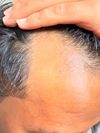
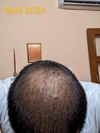
Men with early male pattern baldness (MPB) may have hormonal abnormalities similar to those in women with PCOS. Specific treatments mentioned include Minoxidil, Finasteride, and RU58841.
The conversation discusses hair thinning and the potential role of vitamin D deficiency in hair loss, with suggestions to take vitamin D3 supplements. The user also mentions having diffuse thinning and a slightly receding hairline.
The user experienced noticeable hair regrowth after using finasteride for 5 months and oral minoxidil for 3 months. They are considering adding microneedling to their routine and report no significant side effects.
A user shared their year-long hair loss treatment using minoxidil, microneedling, and scalp massages, reporting moderate hair growth and stabilization. They suggest starting early with less harmful methods and consider adding finasteride or dutasteride if needed.
Hair loss treatments, specifically the use of finasteride, microneedling and potentially oral minoxidil. People discussed their experiences with finasteride, its effects on sexual behaviors, as well as potential solutions such as tadalafil or using other growth factor signal peptides for hope in curing male pattern baldness.
The user is experiencing aggressive hair loss and is using minoxidil, microneedling, biotin, and vitamin D. They are considering finasteride or dutasteride and plan to consult a dermatologist for the best treatment.
A person experienced severe sexual side effects, including loss of libido and erectile dysfunction, after using finasteride and dutasteride for hair loss. They stopped the medications and sought advice, but recovery was slow and uncertain.
The user is using a solution of 5% minoxidil and 0.1% finasteride with micro-needling and is considering adding 1mg oral finasteride. They notice small hairs on their forehead and are questioning if these indicate potential regrowth.
Exercise may be improving hair thickness and reducing thinning for a 50-year-old man using topical finasteride, minoxidil, Nizoral, and microneedling. The improvement could be due to exercise, the treatments, or a placebo effect.
The user experiences severe side effects from finasteride and dutasteride, including low libido and anxiety, and is currently using oral minoxidil despite shortness of breath. They are seeking alternative treatments for hair loss, having tried pyrilutamide, fluridil, and RU58841 with no success, and are considering future treatments or a hair transplant.
A 47-year-old male experienced mixed results with hair loss treatments using finasteride and oral minoxidil. After reducing dosages and adding creatine, he noticed shedding, but switching back to higher doses and changing to pea protein may help regain progress.
A 24-year-old is using 1 mg oral dutasteride and 1 mg oral minoxidil daily, along with monthly mesotherapy including zinc, dutasteride, minoxidil, biotin, and panthenol, to treat hair loss. The user is considering increasing the minoxidil dose but will consult with their doctor first.
Intradermal botulinum toxin (BTX) injections effectively treat androgenetic alopecia (AGA) by inhibiting TGF-β1 secretion from hair follicles. Further research and long-term follow-up are needed to confirm these findings.
The conversation discusses hair loss treatments, including finasteride, microneedling, minoxidil, and PTD-DBM. The user has not noticed significant regrowth and is considering cost-effective options like valproic acid.
A 24-year-old male has been using oral Finasteride 1mg/day for 6 months and nanoxidil for 10 months, recently switching to oral Minoxidil 2.5mg daily, with no progress. Suggestions include getting a scalp biopsy, consulting a dermatologist, and possibly trying higher doses of oral Minoxidil or switching to dutasteride.
A 39 year old female who has been taking finasteride for 1.5 months and is experiencing side effects such as muscle and butt shrinkage, and weight loss despite still having tight clothing. The user is seeking advice from those with knowledge of bodybuilding and hormones to help figure out the issue.
A 28-year-old male noticed hair thinning and is considering treatments like minoxidil and finasteride but is concerned about finasteride's potential effects on epilepsy. He has tried microneedling, tretinoin, and minoxidil with slight improvement.
A 78-year-old man regrew hair after suffering burns, suggesting that injury-induced healing processes might trigger hair growth. Microneedling and other treatments like minoxidil and finasteride are discussed as potential methods to stimulate similar regrowth.
Regret over not starting hair loss treatments like finasteride and minoxidil earlier, leading to significant hair loss. Users discuss coping strategies, including buzzing hair, staying on medications, and considering future treatments.
A 28-year-old male is concerned about hair loss and is considering starting oral minoxidil now and finasteride after having more children due to fertility concerns. He is worried about losing more hair if he waits four years to begin treatment.
OP has been using 5% minoxidil twice daily for a year, resulting in some baby hair growth, but many have not matured. They are questioning if they are overusing minoxidil.
The user has been using topical finasteride and minoxidil for two years with decent regrowth and recently added microneedling to their routine. They are questioning if the small hairs observed are new regrowth from microneedling or just vellus or miniaturized hairs.
A 23-year-old male is experiencing no progress with hair loss despite using oral minoxidil and finasteride, and is considering dutasteride. He also reports experiencing erectile dysfunction, possibly due to starting lexapro.
A 20-year-old male experienced mental fog after resuming topical minoxidil for hair loss, questioning if it's due to interactions with antidepressants. Suggestions included trying a lower concentration of minoxidil or alternatives like copper peptides.
The conversation discusses hair loss concerns, with suggestions to use finasteride (Fin) and minoxidil (Min) as treatments. Stress, creatine in protein shakes, and male pattern baldness are considered potential factors.
The user has been using 2.5 mg oral minoxidil daily and initially 0.5 mg finasteride daily, later switching to 0.25 mg dutasteride daily, but has not seen significant progress in hair regrowth after 15 months. The user is concerned about crown balding and thinning despite treatment.
The user is experiencing significant hair loss despite using treatments like finasteride, minoxidil, dutasteride, micro-needling, rosemary oil, and various vitamins. In the conversation, others suggest checking iron and hemoglobin levels, maintaining a positive attitude, and adding RU58841 to the treatment regimen.
Hair loss is linked to a higher rate of body dysmorphic disorder (BDD), OCD, and depression. Finasteride and dutasteride are not linked to increased suicidal risk, though some users report mental health side effects.
A 30-year-old male experienced significant hair regrowth after five months of using topical minoxidil (5% foam) and oral dutasteride (0.5 mg daily). The user reported no side effects and was grateful for the progress, despite the rapid gains slowing down.
A 21-year-old male has been using dutasteride 0.5mg daily and topical minoxidil 5% nightly for a year and a half without success. He switched to oral minoxidil 0.25mg daily and is taking vitamin D supplements, but remains concerned about ongoing hair loss.