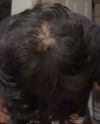
Combining minoxidil 5%, tazarotene 0.1% cream, and lumigan for hair loss treatment is discussed. The conversation focuses on the safety and effectiveness of using these treatments together.
Topical melatonin was found to significantly increase hair density and decrease scalp conditions like seborrheic dermatitis. The user is considering using it alongside finasteride and oral minoxidil for treating hair loss and scalp health.
MCL-1 protein may help maintain hair follicles in the growth phase and prevent miniaturization. There is interest in experimental treatments like exosomes, peptides, or stem cell serums to upregulate MCL-1 for hair loss, especially for those not using minoxidil or finasteride.
Male pattern baldness can occur with or without an oily scalp, but an oily scalp and seborrheic dermatitis can worsen the condition. Treatments like finasteride, minoxidil, and ketoconazole shampoo are used, and managing diet and scalp care can help control symptoms.
A trial of verteporfin for hair regeneration, with pictures comparing the original and current status, as well as links to other resources discussing the efficacy of this treatment in combination with Minoxidil, Finasteride, and RU58841.
Some people have seen improved hair growth by combining Minoxidil with Tretinoin, but there are more success stories with microneedling. There is uncertainty about the real-world effectiveness of Tretinoin with Minoxidil for hair loss.
The conversation suggests that the hair thinning could be due to stress and vitamin deficiency rather than male pattern baldness. It recommends correcting the vitamin deficiency first and considering Minoxidil for hair growth if needed.
The conversation discusses using Actifolic tretinoin to enhance the absorption of Minoxidil for hair loss treatment. It questions the amount of tretinoin to use and whether to apply it before or after Minoxidil.
The user's experience with oral minoxidil, which resulted in under-eye wrinkles; other users sharing their experiences and advice regarding hair loss treatments such as topical minoxidil, finasteride, RU58841, and collagen supplementation.
The user is experiencing scalp irritation and hair thinning, possibly due to stress, with red patches on the face and dry skin. They are considering seeing a dermatologist and have used tea tree and rosemary oil.
A user shared their 5-month progress using a topical treatment with finasteride, minoxidil, and retinoic acid, noting some hair growth but also shedding. Another user encouraged them, sharing their own experience of gradual improvement over 12 months and advising patience.
A 20-year-old is experiencing hair thinning due to vitamin D deficiency and has completed a vitamin D prescription without seeing improvement. Suggestions include waiting a few months for potential regrowth or considering treatments like minoxidil or finasteride for androgenetic alopecia.
The user successfully managed hair regrowth by using a combination of finasteride, dutasteride, minoxidil, and specific shampoos to treat seborrheic dermatitis. They emphasize the importance of maintaining a healthy scalp and are considering food intolerance tests to further address inflammation.
A 30-year-old shared their 7-month hair regrowth progress using topical minoxidil twice daily, 1 mg finasteride daily, and weekly microneedling. Users discussed the effectiveness of these treatments and suggested adding retinol for better results.
The conversation is about someone who initially had positive results with Minoxidil for hair loss, lost those gains due to a hospital stay, and is now not seeing the same results upon resuming treatment. They plan to add microneedling and/or tretinoin to their regimen and are seeking success stories from others who did not respond to Minoxidil alone.
A user experienced continuous hair shedding for six months after using topical 5% minoxidil and 0.1% finasteride. They switched to minoxidil gel and oral finasteride 1 mg due to scalp itchiness and are seeking advice on their situation.
The conversation discusses using olive oil, shampoo, conditioner, and moisturizer before applying minoxidil to combat the drying effects of alcohol in hair treatments. The user asks if facial moisturizer like Cetaphil is safe for the scalp.
The user is considering starting minoxidil or getting their scalp checked for permanent scarring due to noticing thinner hair after bleaching. They are seeking advice on hair loss remedies.
The post discusses the user's experience with topical minoxidil (5%) for hair loss, showing some improvement after 2 months. Suggestions from others include keeping the hair shorter on the sides and back, adding finasteride for better results, and considering a shaved head look, though the latter was debated for its femininity.
The user is experiencing hair shedding after using oral finasteride and topical minoxidil, questioning if this is normal. They are concerned about thinning at the hairline despite using these treatments.
A user's successful 6-month journey with Minoxidil, Finasteride and 0.05 Derma Rolling to regain their hairline, eyebrows, facial hair and overall youthful look. They also discussed the use of topical minoxidil for eyebrow thickening, as well as other skincare routines and healthy lifestyle habits.
The conversation discusses using 5% foam minoxidil for hair loss and the timing of moisturizing afterward. Users share experiences, with some suggesting moisturizing before application and others recommending alternatives like Nizoral shampoo for dry skin issues.
The user shared a 6-month update on using topical minoxidil 5% twice daily and dutasteride 0.5 mg weekly, reporting improved hairline and temple regrowth with no side effects. Microneedling was also mentioned as a helpful addition to the treatment.
After adding tretinoin to minoxidil for hair loss treatment, the user experienced increased shedding and no visible regrowth, despite also using microneedling and ketoconazole shampoo. The user cannot take finasteride due to side effects and is seeking advice on whether to continue with the current routine or modify the use of tretinoin.
The user is experiencing diffuse thinning despite using oral minoxidil (3mg), dutasteride (0.5mg), microneedling, scalp massaging, and vitamins. Suggestions include increasing the minoxidil dose, checking for scalp conditions, and continuing current treatments.
The conversation is about using minoxidil for diffuse thinning after finasteride showed no regrowth. Tips include applying minoxidil directly to the scalp, considering potential shedding, and being cautious with combining tretinoin due to possible irritation.
A 19-year-old male has been losing hair since 16-17 and feels more depressed after 6 months of using topical minoxidil and finasteride, which made his hair dry and greasy. Another user suggested switching to oral finasteride and provided tips for using topical minoxidil to reduce greasiness.
User shared 3.5 months of hair regrowth progress using oral minoxidil 2.5 mg and microneedling, noting a younger appearance. Replies included congratulations and comments on the impressive results.
The user reports significant hair regrowth using finasteride, topical minoxidil, and dermarolling twice a week, despite poor photo quality. Another user shares their experience with oral minoxidil and finasteride, noting ongoing shedding and considering additional treatments.