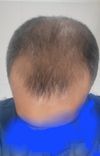
User regrew lost hair using microneedling, minoxidil, finasteride, Nizoral, fish oil, and collagen peptide. Progress was slow but constant, and patience was important.
A person with hair loss due to seborrheic dermatitis saw improvement after treating the condition and using 5mg oral minoxidil, topical minoxidil, collagen, biotin, and vitamins. They are asking if the progress is real, and others have noted the oral minoxidil as a significant treatment.
Tretinoin and microneedling both enhance hair growth through different mechanisms, with microneedling being considered safe for long-term use. Optimal microneedling needle length varies, but 0.8 mm is suggested for hair growth, and a Dermastamp is recommended to avoid skin damage.
The conversation is about a user's progress in treating hair loss using 1mg finasteride, topical minoxidil once at night, and weekly 1.5mm microneedling. The user reports significant improvement and no side effects, while others discuss their experiences and offer advice on similar treatments.
A 19-year-old male experienced significant hair loss, initially thought to be male pattern baldness (MPB), and used minoxidil and briefly finasteride. After realizing the issue was telogen effluvium (TE), he improved his diet and supplemented with vitamins, which led to substantial hair regrowth.
Topical finasteride and minoxidil, combined with microneedling, are recommended for treating thinning hair areas, with 1-2 sprays daily being effective and having fewer side effects than oral finasteride. Starting microneedling at 1.0mm is advised for effectiveness while minimizing invasiveness.
The conversation discusses hair loss treatments, specifically using topical finasteride and minoxidil combined with microneedling, along with supplements like collagen, vitamin C/D, and saw palmetto. The user also mentions using a DHT-blocking shampoo and experimenting with cold showers and contrast therapy for hair health.
The conversation is about someone using finasteride and minoxidil along with microneedling as a treatment for hair loss, and there's a mention of scalp tattooing as an alternative or additional approach. Some responses mock the approach, while others inquire about the specifics of the treatment and its effectiveness.
The conversation discusses using hair follicle dermal papilla exosomes for hair loss treatment. It inquires about purchasing options for this treatment.
Microneedling with topical minoxidil is effective for hair regrowth, especially with finasteride. Users report fewer side effects compared to oral minoxidil.
User shared progress with 3 months on topical minoxidil, 1 year on finasteride, and micro-needling every couple of weeks. Others praised hair growth and shared reactions.
Minoxidil may not be effective due to low sulfotransferase activity, and the user considers adding tretinoin to the regimen. They are unsure about the timing and combination with microneedling.
The user documented eight weeks of progress using 5% topical minoxidil, 1 mg oral finasteride, and weekly microneedling. They reported diffuse fill-in and new baby hairs, with plans to taper off topical minoxidil.
The conversation is about finding an alternative hair growth stimulator for someone who cannot use Minoxidil due to heart issues. The person is currently using topical dutasteride, azelaic acid, and occasional microneedling, and is considering options like retinyl palmitate, latanoprost, certizine, or tadalafil.
The user shared positive results using Minoxidil and microneedling for hair regrowth, choosing not to use finasteride due to concerns about hormonal effects. Other users debated the necessity of finasteride for long-term hair maintenance, with some suggesting alternative treatments and expressing skepticism about pharmaceutical influences.
A 20-year-old using 1 mg finasteride, 2 ml topical minoxidil, tretinoin, and microneedling for hair loss shows progress after three months, with thicker hair and temple regrowth. No side effects reported, and the user is considering switching to oral minoxidil.
Using a microdose of finasteride on the scalp with minoxidil as a carrier may have positive effects with minimal side effects. The user is also considering the effects of sulforaphane or broccoli sprouts on hair loss.
The user has been using 5% minoxidil once daily and microneedling with a 1.5 mm dermaroller weekly for three months, considering increasing minoxidil usage but avoiding finasteride due to libido concerns. Another person suggests considering other treatments like RU58841, alfatradiol, topical finasteride, clascoterone, or saw palmetto since not using a DHT blocker could be less effective.
A user has been using oral finasteride and minoxidil without significant hair regrowth and is questioning the effectiveness of adding microneedling to their routine. Another user suggests microneedling can help with topical treatments but doesn't see it as a major factor in improving hair loss.
The conversation discusses a hair loss treatment regimen involving a homemade topical solution of Minoxidil and Tretinoin, combined with Finasteride and microneedling. Users share advice on Tretinoin application, emphasizing gradual use to avoid skin irritation.
EDHARRINGTON's journey to regrow his hair using finasteride, topical minoxidil, and micro-needling treatments over 4 years, with others commenting their support and admiration for his results.
Hair loss treatment using minoxidil and finasteride, with the user experiencing a shed after reducing the frequency of application and stopping microneedling. The user is now waiting for new hair growth and hoping to see similar results as before.
A serum with oleic and palmitoleic acids shows promise for hair regrowth in mice, but its effectiveness in humans is unproven. Minoxidil and finasteride remain the recommended treatments.
The user reports noticeable hair regrowth after three months using 1mg finasteride daily, 5% topical minoxidil twice a day, and 0.25mm microneedling twice a week. They experienced significant shedding initially.
The conversation is about someone's hair regrowth after 3.5 months using 1mg finasteride daily, minoxidil twice daily, and microneedling once a week. Participants are impressed by the significant hair growth and length achieved in a short time.
Follistatin, known for inhibiting myostatin and promoting muscle growth in mice, is being discussed as a potential treatment for hair loss. Specific treatments mentioned include Minoxidil, Finasteride, and RU58841.
The user experienced significant hair regrowth in 5 weeks using Minoxidil, Finasteride, Dutasteride, biotin, collagen, derma stamping, and a mixture of oils, leading others to label them a "hyper responder." Some users advised caution with microneedling frequency to avoid potential scarring.
The user is considering adding microneedling to their current hair loss regimen, which includes 1mg finasteride daily, 1.25mg oral minoxidil twice daily, and Nizoral once a week. Opinions on microneedling's effectiveness vary, but some suggest it could enhance results.
The user has been using minoxidil for a year and started microneedling recently, but is unsure about hair regrowth and is considering starting finasteride despite concerns about side effects. Other users suggest that combining minoxidil with a DHT blocker like finasteride is necessary for better results, as minoxidil alone may not be effective long-term.
The user experienced hair growth using 5% topical Minoxidil foam twice daily from October 2024 to February 2025, without using finasteride due to family history of side effects. The user is considering other treatments like topical finasteride and received positive feedback on their progress.