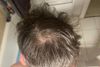
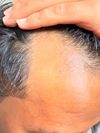
Microneedling can enhance hair growth results when combined with finasteride and minoxidil, with noticeable improvements in 1-2 weeks. The derminator 2.0 is recommended for best results.
A female user is seeking feedback on using topical minoxidil on eyebrows due to eyebrow loss, as oral minoxidil hasn't worked and they avoid Latisse due to potential fat loss.
The conversation discusses the use of 0.1% latanoprost for hair regrowth, with concerns about cost and dependency. The user currently uses dutasteride and oral minoxidil and is considering adding latanoprost to their regimen.
Microneedling on the vertex may require trimming hair to ensure needles reach the scalp effectively. Using a needle length of 1.0–1.5 mm is suggested, and longer hair might get damaged if not cut.
The user has seen positive results after 16 months of using topical Finasteride/Minoxidil, microneedling weekly, and Tretinoin for hair loss. There are no reported side effects, and the user advises that the effectiveness of microneedling depends on the pressure applied.
Upcoming hair loss treatments for those who can't tolerate DHT blockers, focusing on Minoxidil, microneedling, and ketoconazole. Promising treatments include GT20029, PP405, KX-826, and RU58841, though RU58841 may not be safe.
A user's progress with using Minoxidil, finasteride, and microneedling to treat hair loss; another user mentioned a Japanese study that found better results for hairy individuals on finasteride.
The conversation humorously discusses using off-label drugs like Minoxidil, finasteride, and RU58841 for hair growth. It jokes about the brain absorbing these treatments for maximum keratin production.
The conversation discusses sourcing pure latanoprost from the gray market for research and making a homemade solution. Concerns about potential dangers and experiences with this method are raised.
The conversation discusses a hair loss treatment regimen involving minoxidil, finasteride, RU58841, JXL069, and nizoral shampoo. The user reports seeing new black dots in areas where hair hasn't grown in years, suggesting potential regrowth.
Microneedling with 0.6 mm needles combined with 5% minoxidil is more effective for hair count and thickness than minoxidil alone or with 1.2 mm needles. Biweekly microneedling at 0.6 mm depth is recommended for better results in treating androgenetic alopecia.
Microneedling may not significantly enhance hair growth when combined with dutasteride and oral minoxidil, as its primary benefit is improving topical absorption. Some users suggest using a 1.5mm depth for potential follicle stimulation, but results and effectiveness vary.
Switching from tretinoin to tazarotene with minoxidil led to new hair regrowth after years of maintenance. Tazarotene's selectivity and higher concentration might be more effective for hair growth.
The user is using topical minoxidil and finasteride, along with daily derma rolling, and is considering using an organic self-tanner on their shaved scalp. They seek advice on whether the self-tanner's ingredients could harm hair regrowth.
User shared 9-month progress with finasteride and microneedling, and 2-year progress with minoxidil for hair loss. Others asked about microneedling tools, routine, and suggested micro fibers for improvement.
PP405 is a new hair loss treatment targeting dormant hair follicles, with ongoing trials. Some users consider stopping finasteride and minoxidil to join trials, while others doubt its effectiveness.
The conversation discusses hair regrowth using microneedling, Minoxidil, and Finasteride over a three-month period. Specific treatments mentioned are microneedling, Minoxidil (Min), and Finasteride (Fin).
User discusses scalp micropigmentation for denser hair appearance and its benefits compared to lifelong treatments. Special ink is used, which can fade and blur over time but can be topped up.
The user is undergoing Mesotherapy and Low-Level Laser Therapy for hair loss, with plans for multiple sessions. They are also using oral finasteride, topical minoxidil, dutasteride, and hair fibers.
The user experienced hair regrowth using finasteride for 2 years, minoxidil for 2 months, and microneedling once a month. They reported no side effects and used 5% topical minoxidil in liquid form.
The conversation discusses creating a topical melatonin solution for hair loss, with challenges in dissolving melatonin pills due to additives. Suggestions include using melatonin powder mixed with ethanol and glycerin.
A user experienced a dry, scaly scalp two weeks after microneedling with a dermapen at 1mm and applying Rogaine foam. They tried moisturizers and coconut oil without success and are seeking advice.
The user is using a combination of 7% minoxidil, 0.2% finasteride, 0.5mg finasteride, RU58841, and daily microneedling but is not seeing hair regrowth after 5 months. Suggestions include being patient, reducing microneedling frequency, considering oral minoxidil, and possibly switching to dutasteride if no improvement after a year.
Minoxidil 5% topical solution may cause eyesight problems, with some users experiencing blurred vision. The discussion also mentions finasteride's potential side effects, including erectile dysfunction, with varied personal experiences.
The user has been using 5% minoxidil once daily and microneedling with a 1.5 mm dermaroller weekly for three months, considering increasing minoxidil usage but avoiding finasteride due to libido concerns. Another person suggests considering other treatments like RU58841, alfatradiol, topical finasteride, clascoterone, or saw palmetto since not using a DHT blocker could be less effective.
The user shared a two-year update on hair loss treatment using oral minoxidil, finasteride, and microneedling, noting significant progress after starting oral treatments and microneedling. They began treatment in early 2023 after noticing hair loss in late 2021.
The user is using a solution of 5% minoxidil and 0.1% finasteride with micro-needling and is considering adding 1mg oral finasteride. They notice small hairs on their forehead and are questioning if these indicate potential regrowth.
Some users report significant hair regrowth without microneedling, using treatments like finasteride, minoxidil, and dutasteride. Others believe microneedling enhances results, but opinions vary on its necessity.
Minoxidil was applied to a single miniaturized hair follicle over four months, resulting in less miniaturization but not yet terminal growth. The user used a 5% minoxidil solution, specifically the Regaine brand, and observed changes using a handheld WiFi microscope.