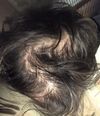
Minoxidil can cause scalp flaking and dryness, often due to its alcohol content. Switching to foam minoxidil or using antifungal shampoos like Ketoconazole may help reduce these side effects.
This user discussed using oral minoxidil as a hair loss treatment, and was cautioned against mixing topical minoxidil with water and drinking it due to potential side effects and risks. Other users shared their concerns about the dangers of self-prescribing medications without consulting a doctor.
A user's 3-month progress with a combination of finasteride, minoxidil and dermarolling for hair loss; other users shared their experiences and advice.
A user reported hair thickening and a stronger crown after using rosemary shampoo for about a year, with progress pictures as evidence. Some commenters discussed the effectiveness of natural treatments versus pharmaceutical options like Minoxidil and Finasteride.
A 35-year-old transitioning female (MtF) shared her hair regrowth journey using Minoxidil, Dutasteride, Microneedling, and Exosomes, starting from a bald state. Commenters discussed the impressive results, skin care routine, and the effects of estrogen on hair and skin.
The conversation discusses biannual SCUBE3 injections and microneedling as treatments for hair loss. Specific treatments mentioned include Minoxidil, Finasteride, and RU58841.
Rice water does not regrow hair but makes it thicker, stronger, and healthier. It is used as a rinse, showing noticeable improvements in hair thickness and volume within three weeks.
Minoxidil use may worsen seborrheic dermatitis, causing itching and dandruff. Users consider stopping minoxidil or switching to foam to improve scalp condition.
The conversation is about whether stemoxydine can shorten the dormant phase after a hair transplant, known as the ugly duckling phase. There is skepticism about whether it actually works as claimed.
User shared progress on crown regrowth using Minoxidil Foam, oral Minoxidil 2.5mg daily, and Finasteride 1mg daily. They experienced initial headaches with oral Minoxidil, had a hair transplant, and are seeing regrowth but with thin hairs.
The user follows an intensive hair loss protocol including dutasteride, biotin, black tea, pumpkin seed oil, peppermint shampoo, rosemary conditioner, mukemame, soy milk, lycopene, garlic, magnesium, chamomile, spicy food, citrus bergamot, zinc, multivitamins, kefir, and Greek yogurt. They plan to alternate between pumpkin seed oil and safflower oil and will share before and after pictures.
Rotenone, a natural plant extract, may promote hair growth by increasing LDH activity and blocking MPC in the scalp, but it carries risks due to its toxicity. The suggested formulation includes Barbasco extract, DMSO, propylene glycol or PEG-400, ethanol, and a carrier oil.
The user experiences severe headaches from 5% minoxidil and is considering mixing finasteride with a 2% minoxidil solution or diluting a 5% minoxidil + 0.1% finasteride solution. They seek advice on the appropriate method and dilutant composition.
Mixing topical finasteride with essengen f and stemoxydine creates 0.25mg dose in 2ml. Minoxidil max suggests mixing 8.5ml essengen f with 60ml solvent for 0.25mg dose in 1ml.
SCUBE3 is available online but poses risks like tumor promotion and high costs. Users advise against using it due to health concerns and inefficacy as a standalone treatment.
The user has been using Morr-F Aqua 5% (minoxidil) once daily for over three months to address male pattern baldness and is seeking feedback on their progress. They are unsure if the current dosage is sufficient and whether the aqueous base is effective compared to other versions.
The user is experiencing new hair growth after using oral dutasteride, topical minoxidil, and microneedling, but is concerned about black dots on the hairline, which might be clogged pores or dormant follicles. The user previously used a topical minoxidil/finasteride spray and had good results, despite a shedding phase after switching treatments.
The user improved diffuse thinning without finasteride by using minoxidil foam, cold showers, gentle hair drying, 2% ketoconazole, sulfate-free tea tree oil shampoo, dermastamping, and supplements like Omega-3, Vitamin-D, Biotin, Keratin, Collagen, B3, Zinc, and Magnesium. The regimen was followed for about six months under dermatologist guidance.
Spearmint tea and inositol are discussed as potential treatments for hair regrowth, but their effectiveness is questioned. Alternatives like green tea, MSM, and evening primrose oil are suggested for hair health.
The user experienced unwanted hair growth on their body from using a caffeine lotion, similar to their experience with minoxidil. They are seeking others' experiences with caffeine products causing hair growth in unintended areas.
The user is considering switching between topical minoxidil (10%) and oral minoxidil (2.5mg) to manage hair shedding around the temples, while also using a dermaroller and biotin. They are concerned about the potential side effects of oral minoxidil, such as hypertrichosis, and the impact on hair shedding if they stop using it.