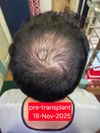
A user trying to avoid an expensive hair transplant, and the replies suggesting they wait two years on treatment before deciding if they need a transplant or not.
A person had three hair transplant surgeries using 7,600 grafts from scalp, beard, and chest, along with finasteride and minoxidil. Reactions are mixed, with suggestions for alternatives like hair systems or scalp micropigmentation.
A 21 year old man who had a hair transplant 8 months prior and is now more confident due to the results, as well as taking finasteride 3x per week, minoxidil topically and orally, and microneedling; it also includes advice from others on how to further improve his results.
The user had a hair transplant in Toronto to restore their hairline and crown, using 2400 grafts in the first procedure and is happy with the results. They are using Minoxidil and finasteride, and note that their hair is thinner on the back and sides due to graft removal.
Celonius discusses hair loss and plans for a FUE Hair Transplant, but worries about how it will look when shaved in the future. Derhab21 suggests going for the transplant and mentions potential future treatments like Breezula and stem cell injections.
A user shared their hair transplant update, having received 4,300 grafts and choosing not to use medications like finasteride or minoxidil due to potential side effects and personal reasons. Many commenters expressed concern that without these medications, the user might experience further hair loss, suggesting that preventative treatments are important for maintaining transplant results.
A 24-year-old male is considering a hair transplant after unsuccessful attempts with oral minoxidil, topical finasteride, ketoconazole shampoo, and lifestyle changes. He believes smoking and caffeine may worsen his hair loss and is looking into hair fibers for temporary coverage.
A 27-year-old shared their hair transplant journey after using minoxidil and dutasteride for nearly four years. They underwent a 2600-graft surgery in London, costing £6450, and plan to switch to oral minoxidil during recovery.
A user shared their positive experience with a hair transplant, using 3,500 grafts, after trying various treatments like Minoxidil, Finasteride, and Dutasteride. They recommend stabilizing hair loss with Finasteride before considering a transplant.
A 22-year-old had a 3,500 graft hair transplant to restore his original hairline and improve density, while using dutasteride and oral minoxidil to manage hair loss. He believes being proactive with medication prevented further loss and allowed for a successful transplant.
A 24-year-old is experiencing aggressive hair shedding despite past success with mesotherapy and minoxidil, and is considering adding treatments like Expecia, dermapen, or a hair transplant. Many suggest using finasteride to maintain hair, as it is necessary even after a transplant, and side effects are rare and reversible.
The user had two FUT hair transplants with 4,600 grafts for increased density, costing about $11,000 each, and has been using oral minoxidil and finasteride for over five years without side effects. The results are natural-looking with no visible scarring, and the user finds the procedure valuable despite the cost.
A 24-year-old is considering a hair transplant but is hesitant due to cost and finding his shaved head looks better than expected. He plans to try finasteride to improve hair density after unsuccessful attempts with minoxidil and dutasteride.
A 28-year-old male shares his 7-month progress after a crown hair transplant, using topical minoxidil foam, finasteride, and microneedling. He seeks feedback on whether his crown's progress is typical and if further thickening is expected between months 7 and 12.
Cbum's hair transplant is criticized for looking unnatural and not blending well, with some suggesting better results were expected given his resources. Discussions also cover the effects of steroids and finasteride on hair loss and muscle growth.
A 32-year-old male is considering options to soften a dense transplanted hairline after experiencing accelerated hair loss and intolerance to finasteride and dutasteride, while using minoxidil. He is exploring partial electrolysis or laser treatments to achieve a natural look with a short buzz cut, avoiding a second transplant or scalp micropigmentation.
A 28-year-old shared his successful hair transplant experience using 2800 grafts, oral minoxidil, and finasteride, resulting in a natural look. The procedure cost 1 lakh INR, and recovery took 7 days.
A 27-year-old using minoxidil and dutasteride for hair loss has seen significant improvement but is considering a hair transplant for a more defined hairline. Most responses suggest the hair looks good, advise against a transplant, and recommend patience or trying microneedling or tretinoin.
A 42-year-old had 2,100 grafts transplanted to the frontal third of the scalp, using treatments like Dutasteride, oral Minoxidil, ketoconazole shampoo, dermarolling, and PRP. They plan to add RU58841 and have scheduled SMP to improve cosmetic results.
The user underwent a hair transplant in Boston, initially dissatisfied with the results, but later achieved significant improvement in hair density and natural appearance after consulting a different surgeon. They used finasteride, minoxidil, and low-level laser therapy as part of their treatment.
A 28-year-old man had a hair transplant in India, choosing not to start finasteride due to past side effects with other medications but will use minoxidil for six months post-surgery. He researched and selected a clinic in Mumbai with a high reputation, underwent a 9-hour procedure for $965, and is optimistic about the results.
The individual has experienced no hair regrowth from using minoxidil and finasteride and is considering a hair restoration clinic's options, including PRP and nano follicle hair replacement, as well as a potential beard transplant. They are seeking advice on whether to pursue PRP, timing for hair replacement surgery, and experiences with beard transplants.
The conversation discusses the possibility of transplanting leg and arm hair to the scalp for hair loss treatment. Minoxidil is mentioned as a potential aid for hair growth, but concerns about the effectiveness and appearance of body hair on the head are raised.
Beard to scalp hair transplants can provide 12,000-15,000 grafts for coverage, with fast recovery time. However, beard hair may grow curly and not suitable for frontal areas.
A user experienced significant swelling after a hair and beard transplant, possibly due to an allergic reaction or improper post-surgery care. Despite dissatisfaction with the clinic's handling of grafts and customer service, the user appreciates the clinic's skill in achieving natural hairline density.
A 34-year-old from Patna shared a 5-month update on his hair transplant, which involved 4,200 grafts using the FUE technique to cover the front and mid-scalp. He experienced initial shock loss but now sees natural-looking growth and improved density.
A 30-year-old shared their successful hair restoration journey using a combination of liposomal topical finasteride and minoxidil, vitamins, and a second hair transplant in Greece, resulting in life-changing improvements without side effects. The user emphasized the importance of proper research for hair transplant clinics and expressed gratitude for finding an effective treatment protocol.
A user shared their positive experience 5 months after a hair transplant, emphasizing the importance of thorough research and using finasteride and minoxidil to control hair loss. They had 3700 grafts transplanted to the front/mid-scalp and used medications to fill in the crown.
The conversation humorously discusses whether it's too late to start using finasteride and minoxidil for hair loss. Users jokingly suggest alternatives like a hairpiece or shaving eyebrows.