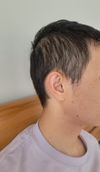
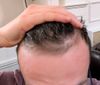
Men with early male pattern baldness (MPB) may have hormonal abnormalities similar to those in women with PCOS. Specific treatments mentioned include Minoxidil, Finasteride, and RU58841.
A 27-year-old Asian male is treating hair loss with 1mg oral finasteride, topical minoxidil twice daily, and 1.5mm microneedling weekly. The discussion is about his progress with these treatments.
The user is seeking recommendations for a knowledgeable dermatologist in the Denver/Boulder area to address male pattern baldness, as they are dissatisfied with their current treatment of topical finasteride and are considering switching to dutasteride. They feel their current doctor is not open to exploring different treatments that could improve hairline thickness.
User "hairlossblows" shares their positive experience with minoxidil, microneedling, and finasteride for hair loss treatment. They report significant hair regrowth, especially in the hairline, and minimal side effects from finasteride.
Oral PTD-DBM was discussed as a potential hair loss treatment, but it was deemed ineffective in humans despite promising results in mice. The conversation concluded that trying it without VPA might be unwise.
The user is experiencing excessive hair thinning and is unsure of the cause. They are seeking opinions on treatments like Minoxidil, finasteride, and RU58841.
The user underwent a hair transplant in Boston, initially dissatisfied with the results, but later achieved significant improvement in hair density and natural appearance after consulting a different surgeon. They used finasteride, minoxidil, and low-level laser therapy as part of their treatment.
Low-level laser therapy (LLLT) is debated for hair regrowth, with some users suggesting it should be combined with treatments like minoxidil and finasteride for effectiveness. Many users express skepticism about LLLT's efficacy and cost, emphasizing the need for the correct wavelength and quality devices.
Ordering Pyrilutamide from Minoxidilmax to use as an experimental topical treatment for hair loss, with discussion of the carrier used in trials and encouragement from other users.
A user discusses their experience with hair loss and treatments, including minoxidil, micro needling, rosemary oil, dietary supplements, and topical finasteride (Morr-F). They emphasize the impact of lifestyle on hair health and express hope for improvement with the new treatment.
A user shared their 88-day progress using 1.25mg finasteride, topical minoxidil, and weekly 1mm microneedling, noting improvement from NW 4.5 to around NW 3. Another user complimented the progress.
A user who was part of an ongoing trial for a prolactin blocker and had regrowth, but the progress photos were not shared due to negative reactions from other users. Treatments mentioned include HMI-115, Minoxidil, Finasteride, and RU58841.
The conversation discusses the potential benefits of adding Vitamin B6 (P-5-P) to topical hair loss treatments like RU58841, finasteride, or minoxidil. The user suggests that Vitamin B6 might enhance these treatments by naturally lowering scalp prolactin.
A 27-year-old male shared his hair regrowth progress after 100 days using 5% Minoxidil twice daily, 1.25mg Finasteride daily, and weekly microneedling. He noticed improvements and hopes to avoid a future hair transplant.
A person is experimenting with microneedling on one temple while using Minoxidil to address hair loss. They plan to needle weekly and apply Minoxidil twice daily, avoiding application around needling sessions.
A 27-year-old is experiencing hair thinning and receding, currently using finasteride and planning to start minoxidil. They seek advice on hairline treatment options, including styling, PRP, peptides, and micro-needling.
A Korean laser helmet increases hair growth by 44% compared to a placebo. Users discuss its cost-effectiveness, clinical support, and compare it to treatments like finasteride and minoxidil, focusing on wavelength and energy density.
User deciding between oral and topical minoxidil, concerned about hypertrichosis and myocarditis interaction. They're using topical finasteride, LLLT, natural oils, dermastamping, and scalp massage, and considering adding oral minoxidil.
The user is using Dutasteride 0.5 mg, Minoxidil 5%, and Microneedling for almost 5 months to address hair loss. They are considering a hair transplant for the front and crown areas due to thinning and a high hairline.
HMI-115, a potential treatment for hair loss that can reverse miniaturization and make individual hairs thicker, as evidenced by data from macaques given the treatment and one subject in the phase I trial.
The discussion is about using ASCEplus HRLB exosomes for hair loss treatment, which combines 10 billion exosomes with growth factors, nutrients, biotin, and copper tripeptide. The treatment is expensive and typically administered via scalp injections, but in Europe, it's done with microneedling.
The user is considering adding low-level laser therapy (LLLT) to their hair loss treatment routine, which already includes minoxidil, finasteride, and microneedling. They are debating between purchasing a cheaper LLLT device or investing in a more expensive, clinically-backed option, with concerns about the effectiveness and specifications of cheaper models.
A user's 18-month hairline progress using minoxidil, finasteride, Nizoral, microneedling, and scalp massage. They share their routine and discuss treatment effectiveness and photo order confusion.
The conversation discusses struggles with diffuse thinning and hair loss treatments, including the use of dutasteride, minoxidil, and finasteride, with limited success. The original poster regrets having a hair transplant at 21 due to weak donor hair and ongoing thinning.
The user is experiencing hair loss despite using finasteride and Rogaine, with conflicting diagnoses from different hospitals. One suggests no hair loss, while another recommends continuing medication; a suggestion to see a dermatologist for proper assessment is given.
The conversation discusses interest in participating in PP405 trials for hair loss treatment, with users expressing uncertainty about eligibility due to location. Participants are eager for updates and willing to pay for shipping if trials are limited to America.
Microneedling with 0.6 mm needles combined with 5% minoxidil is more effective for hair count and thickness than minoxidil alone or with 1.2 mm needles. Biweekly microneedling at 0.6 mm depth is recommended for better results in treating androgenetic alopecia.