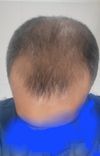
A 28-year-old male reported significant hair regrowth after 5 weeks using a regime including Minoxidil, Ketozolin shampoo, microneedling, hyaluronic acid, saw palmetto, pumpkin seed, MSM, frankincense, zinc, multivitamins, and vitamin D. He also noted improvements in digestion, dry eyes, and skin health, and observed beard growth from microneedling.
A 30-year-old MTF individual shared a 6-month update on hair loss improvement using minoxidil, retinol, and microneedling, along with lowering testosterone to reduce DHT. They reported positive results, feeling happier and more confident.
A 22-year-old resumed using finasteride, minoxidil, and a 0.5mm dermaroller after stopping for two years, experiencing positive results and improved mood. The discussion includes debates on the effects of finasteride on neurosteroids and the optimal dermaroller needle length for hair regrowth.
Using Tretinoin with Minoxidil may increase Minoxidil's absorption and improve hair growth results. The user is seeking advice on how to apply both treatments effectively.
A new product, Minoxidil booster, which enhances sulfotransferase enzyme activity in the scalp, is now available. The user has started using this product, applied before Minoxidil, to improve their hair loss treatment results.
The user has been using a topical combination of finasteride, minoxidil, and dermastamping for three months to address hair loss. They are considering adding tretinoin and are discussing the effectiveness of topical versus oral treatments.
A 30-year-old shared their successful hair restoration journey using a combination of liposomal topical finasteride and minoxidil, vitamins, and a second hair transplant in Greece, resulting in life-changing improvements without side effects. The user emphasized the importance of proper research for hair transplant clinics and expressed gratitude for finding an effective treatment protocol.
The conversation is about a person regrowing their hair in 7 weeks using scalp massages, peppermint oil, microneedling, and keratin shampoo without drugs. They experienced initial shedding but saw improvement after consistent treatment and shampooing every other day.
A user is organizing a group buy for various compounds aimed at reversing hair loss and gray hair, and improving brain health and fat loss. The user has developed a treatment plan based on extensive research and is inviting others to participate, with the option to choose only the compounds they need.
Adding tretinoin can enhance the effectiveness of minoxidil by increasing sulfotransferase levels, making it beneficial for hair growth. However, it may not be necessary if using oral minoxidil.
The user shared progress pictures after using topical finasteride, minoxidil, and tretinoin for about 9 months, along with weekly microneedling, cold showers, and a diet free of processed foods. They reported no side effects.
Microneedling combined with tretinoin is discussed for its effectiveness in treating hair loss. Minoxidil, finasteride, and RU58841 are also mentioned as potential treatments.
The conversation discusses using GHK-Cu, C60, and saw palmetto oil as treatments for hair loss. Specific treatments mentioned include Minoxidil (Min), Finasteride (Fin), and RU58841 (RU).
A 23-year-old has been using minoxidil for 1.6 years, finasteride for 1 year, and ketoconazole shampoo, along with biotin, to treat hair loss. They noticed baby hairs and a fuller hairline but seek further improvement, especially in the temple areas, and are considering adding rosemary oil and a dermastamp.
The conversation discusses hair regrowth treatments, specifically using finasteride, minoxidil, and microneedling with the Derminator. Users report significant improvements, especially after adding microneedling to their routine.
Stem cell-related treatments and drugs like RCGD423 and WAY are being tested for hair growth. Clinics are conducting tests on patients who haven't had previous treatments.
Microneedling may enhance hair loss treatment by increasing the effectiveness of topical minoxidil, especially for those lacking the necessary enzyme to activate it. It might also work by triggering growth factors and improving topical absorption.
Minoxidil and finasteride are being considered for hair loss due to seborrheic dermatitis and male pattern baldness. The user is also using ketoconazole and zinc pyrithione shampoo.
The conversation is about using microneedling for hair loss treatment, including questions on disinfection and post-treatment care. The user mentions using oral minoxidil and finasteride, and considering dutasteride.
The user has been using Dutasteride and oral Minoxidil for hair loss but hasn't seen desired results and is considering Advanced PRP with autologous exosomes. Some users suggest these treatments are scams, while others discuss increasing Dutasteride dosage or exploring other options like low-level laser therapy.
ABS-201 shows promise for male hair regrowth by blocking the prolactin receptor, with higher expected efficacy than current treatments. The discussion also covers dosing differences between macaques and humans for hmi115, highlighting a significant dosage disparity.
Tretinoin can irritate seborrheic dermatitis, but using it with a moisturizer on calm skin may help. Parallel Health's skin microbiome testing and phage therapy are suggested for persistent issues.
The conversation discusses a hair loss prevention regimen using a custom topical treatment with Dutasteride, Minoxidil, Latanoprost, Cetirizine, Tretinoin, Vitamin D3, and caffeine, along with supplements like iron, selenium, vitamin D, and vitamin B. The user advises against expensive treatments like LLLT caps and unnecessary natural supplements.
A 31-year-old experiencing rapid hair loss is considering whether to shave their head or use treatments. They were prescribed B12, topical finasteride 0.1%, and minoxidil 10% but are unsure about the correct dosage and potential side effects.
A user's 5 month progress with their hair loss treatment which includes topical finasteride and minoxidil, microneedling once every 10 days, and keto shampoo twice a week. Other users shared their own experiences and advice on treatments.
The conversation is about a user massaging their scalp for 123 days to address hair loss, with mixed opinions on its effectiveness. Some suggest using minoxidil and finasteride for better results.
A potential non-invasive topical treatment targeting the WNT Signaling Pathway for hair regeneration is being researched, with positive results on human hair follicle cells. Current effective treatments for hair loss include Minoxidil, finasteride, and hair transplantation.