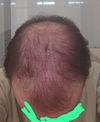
A user's 2.5 months of finasteride, oral minoxidil, and dermarolling treatments for hair loss, with various users giving their opinion on the progress made.
A user's progress with hair loss treatments over the past two years, including finasteride, minoxodil and dermarolling. Replies included speculations about whether or not this was the result of a hair transplant. The user confirmed that it was just meds.
A 30-year-old man shares his positive experience with a topical solution containing 0.1% finasteride, 7.5% minoxidil, tretinoin, caffeine, and fluocinolone acetonide after experiencing side effects from oral finasteride and no results from 5% minoxidil. He reports noticeable hair growth in two months with minimal side effects, attributing success to the new topical combination.
A 25-year-old shared their hair regrowth journey using topical minoxidil, then switching to oral minoxidil and finasteride, experiencing significant improvement but planning a future hair transplant. Other users discussed their experiences with treatments like dutasteride, with some expressing concerns about side effects and treatment effectiveness.
miR-205, a tiny RNA, can stimulate hair growth by softening aging hair follicle stem cells in mice. Future tests aim to see if this can work in humans.
The user is using a hair regrowth treatment plan that includes finasteride, microneedling, minoxidil foam, ketoconazole shampoo, and piroctone olamine shampoo. They are seeking advice on the effectiveness of their regimen and dosage of finasteride, and are curious about others' experiences with piroctone olamine.
The user is treating alopecia areata with 1.25mg oral minoxidil daily and topical mometasone furoate, considering increasing the dose or adding finasteride, though finasteride is not typically used for this condition. A gluten-free diet is suggested, and alternatives like Olumiant are mentioned.
The user experienced new hair growth after switching from oral finasteride to topical RU58841 with minoxidil and undergoing stem cell therapy. They noticed new hairs at the hairline and temples, but are unsure which treatment is responsible.
The user reported significant hair regrowth after seven months using topical minoxidil 5% combined with 0.1% finasteride and weekly micro needling. The community responded positively, noting visible improvement and discussing the effectiveness of topical versus oral finasteride.
The user switched from topical to oral finasteride and minoxidil, noticing thicker and longer baby hairs, suggesting potential regrowth at the temples. Other users agree it looks like a sign of success.
A 7-month progress report of using finasteride and minoxidil, as well as keto dieting and derma stamping; the discussion also touched on RU58841 and its potential side effects.
The user is considering switching between topical minoxidil (10%) and oral minoxidil (2.5mg) to manage hair shedding around the temples, while also using a dermaroller and biotin. They are concerned about the potential side effects of oral minoxidil, such as hypertrichosis, and the impact on hair shedding if they stop using it.
The user experienced significant hair regrowth using 1mg finasteride every other day, 5% minoxidil twice daily, and ketoconazole shampoo. The progress was noted as impressive, with some users questioning the authenticity of the results.
2-deoxy-D-ribose, a sugar molecule, is found to be 80%-90% as effective as Minoxidil in promoting hair growth, showing potential for alopecia treatment. Concerns include high cost, lack of human studies, and possible side effects like diarrhea and nausea.
A 29-year-old is using oral minoxidil, finasteride, hormone replacement therapy (HRT), and microneedling for hair regrowth. They started balding at 20, worsened at 25, and are transitioning with testosterone blockers.
GT20029 shows promising results for hair loss treatment, with potential approval in China by 2026 or 2027, but U.S. approval may take longer. It could serve as an alternative to finasteride, with a potentially better side effect profile.
The user shared their 9-month progress using exosomes and topical minoxidil for hair loss, concluding that minoxidil was more effective for them than exosomes. They plan to continue using minoxidil and have started finasteride while managing dandruff with salicylic acid.
The user shared their one-year transformation using finasteride 1 mg daily and topical minoxidil once a day, noting initial side effects like reduced sex drive that later subsided. They observed hair improvement after 3-4 months, with no significant shedding beyond normal hair loss during detangling.
The user experienced initial shedding but saw regrowth after seven months using oral minoxidil (1.75mg) and a dandruff shampoo. They plan to try Spironolactone and possibly metformin for PCOS-related hair issues.
Minoxidil helped with temple regrowth, and finasteride improved overall hair appearance and stopped further hair loss. Minoxidil was also applied to eyebrows and eyelids, with noticeable gains, but was stopped on the beard due to bloating.
The conversation discusses using Minoxidil, finasteride, RU58841, and pyrilutamide for hair loss treatment. The user is considering adding a topical treatment and has not experienced side effects from current treatments.
The user is using a regimen for hair loss that includes topical and oral minoxidil, finasteride, a Musley holistic formula, homemade oil, and scalp massages. They are questioning if there is any progress in hair regrowth.
OP is using 5% minoxidil and a foligain supplement for hair loss, with blood test results showing high cortisol levels. OP is considering starting finasteride, while another user shares their experience with finasteride and hair loss challenges due to malabsorption issues.
A 23-year-old is experiencing hair loss and has been using 5% topical minoxidil, 1 mg oral finasteride, and recently switched to 1.25 mg oral minoxidil. They are hopeful for regrowth with this new regimen, which includes biotin, iron, vitamins, Nioxin shampoo, and rosemary serum.
The conversation is about a user's positive experience with hair regrowth using 1mg finasteride and 2.5mg oral minoxidil, noting improvements in scalp and eyebrow hair. The user mentions minimal side effects, such as a slight increase in heart rate, and prefers oral minoxidil over topical due to ease of use.
The user is using a combination of oral Dutasteride and Minoxidil, and a topical formula with Finasteride, Minoxidil, and Hydrocortisone, along with rosemary oil, coconut oil, ginseng, and a derma roller. They are also using LLLT therapy and are questioning the timing of the laser cap session in relation to the topical application.
The user regrets not using medication after a failed hair transplant and is now using a combination of minoxidil, finasteride, derma rolling, oils, and ketoconazole shampoo to try to improve hair regrowth. They are seeking feedback on progress and considering further treatment options.
The conversation discusses Pyrilutamide for hair loss, with skepticism about its legitimacy and mentions of an upcoming press release from Kintor. It also references ongoing trials and includes links for further information.
The user has been using Minoxidil for 4 years and recently added a derma pen and Trinov to their regimen, but results are inconclusive after 3 months. Some users suggest Trinov is ineffective and recommend alternatives like Clascoterone (Breezula) for better results.
The user has been using Minoxidil for over 10 years, started Finasteride 8 months ago, and is happy with the hair recovery results; they also use a 1.5mm dermaroller weekly and a 0.5mm occasionally. Some believe starting with Minoxidil is less effective than addressing DHT directly, and there's curiosity about whether dermarolling aids absorption.