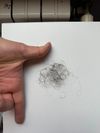
The user experienced significant hair shedding and dryness after starting minoxidil 8 months post-hair transplant, despite using finasteride and oils like castor and pumpkin seed oil. They expressed concern over the loss of density and the appearance of a failed transplant.
The user discusses using Minoxidil for hair loss and is considering RU58841 to reduce excessive oil production. They seek advice on RU58841's effectiveness in blocking sebum production.
The user has seen significant hair regrowth after three years of using Minoxidil inconsistently and Hims topical Minoxidil/Finasteride for a year. They are considering switching to oral Finasteride and increasing topical Minoxidil use, with suggestions from others to try Dutasteride and microneedling for further improvement.
The conversation is about an 18-year-old's progress with hair regrowth using oral Minoxidil, dermarolling, and RU58841 over three months, starting treatment after beginning to lose hair at 16. Participants are impressed with the improvement and encourage continued treatment.
Broccoli or sulforaphane supplements are unlikely to improve Minoxidil results due to the need for an unrealistically large dose. Tretinoin, micro-needling, and low-dose oral Minoxidil may be more effective for those lacking the necessary enzyme in the scalp.
Elevated bile acids can inhibit the enzyme AKR1C2, leading to increased DHT levels, which may accelerate hair loss in those predisposed to androgenetic alopecia. Treatments mentioned include topical minoxidil and finasteride.
Breezula shows promising hair growth results, with up to 539% increase in hair count compared to placebo, and regulatory submissions are planned in the US and EU. Users are cautiously optimistic, noting the potential for Breezula to replace finasteride by targeting DHT without systemic effects.
User shared 1.5-year progress using 1mg finasteride, 15% minoxidil daily, and derma rolling weekly. Experienced initial shedding but achieved significant hair regrowth and improvement.
The conversation discusses potential causes of pigmentation around hair follicles, suggesting sebum buildup, autoimmune conditions, or dermatitis. Treatments mentioned include finasteride, dutasteride, and an anti-inflammatory diet, with a recommendation to consult a doctor for a proper diagnosis.
The user shared progress pictures showing hair thickening after 4 months of using minoxidil and microneedling, and has started taking finasteride. They are considering increasing minoxidil dosage if results are not satisfactory and are questioning whether their hair loss is genetic or self-induced from previous minoxidil use for beard growth.
Switching from 2% liquid minoxidil to 5% foam minoxidil reduced scalp irritation but increased eyebrow flakiness and thinning. The user speculates that propylene glycol in the liquid formulation might have been protecting against seborrheic dermatitis while causing contact dermatitis.
The conversation is about a user's progress with an oral treatment for hair loss using a stack of finasteride, minoxidil, and biotin over two months, noting stabilization after an initial shed. The user mentions using Hims Chews, which are effective but costly, and another user comments that biotin is ineffective.
The conversation discusses experiences with NMN supplementation for hair growth, with some users reporting increased hair growth activity and others seeing no significant changes. OP has been using dutasteride and oral minoxidil, and recently added NMN, noticing increased shedding, which they hope indicates new hair growth.
The user reports significant hair regrowth using finasteride, topical minoxidil, and dermarolling twice a week, despite poor photo quality. Another user shares their experience with oral minoxidil and finasteride, noting ongoing shedding and considering additional treatments.
The user has been using finasteride for several years and 2.5mg oral minoxidil for 9 months, noticing stable and slightly thicker hair. They are considering increasing to 5mg oral minoxidil and are concerned about potential shedding or negative effects.
The conversation discusses confusion about how Minoxidil promotes hair growth compared to other substances like Menthol, which have similar actions. The user mentions personal positive results with peppermint oil extract and is currently trying L-citrulline for its vasodilation effects.
The conversation discusses potential hair loss treatments focusing on stimulating IGF-1 at the follicle level using growth-factor cocktails and engineered peptides, such as Acetyl Tetrapeptide-3, Copper Tripeptide-1, Oligopeptide-20, Thymosin-β4, and Palmitoyl Tetrapeptide-7. It suggests that device-assisted delivery methods like microneedling may enhance effectiveness.
Minoxidil can cause face bloating, especially when combined with microneedling, as it may increase systemic absorption. Alternatives like Stemoxidine or Aminexil are considered, and some users find relief by adjusting application timing or switching brands.
The user has been using oral minoxidil for 4 years and durum wheat 3 days a week for 7 months, but is experiencing increased hair loss when washing hair. They suspect it might be due to decreased DHT levels and are seeking similar experiences from others.
The user reports that MSM supplementation has thickened their hair strands while using finasteride and topical minoxidil. They also take zinc, copper, B-complex, vitamin C, vitamin D3, and K2, and plan to add omega-3, magnesium, astaxanthin, and pterostilbene.
The conversation discusses the potential effectiveness of a Sult1a1 enzyme booster in enhancing the results of minoxidil for hair loss. Users express interest in the booster, hoping it will improve the effectiveness of oral minoxidil, especially for those who struggle with topical application.
The user reports that after 4 months of microneedling, 10 months of Minoxidil, 2 years of finasteride, and using ketoconazole 3 times a week, their hair has become less dense in the treated areas. Despite initial shedding and continued treatment, they have not seen improvement and feel their body is resistant to the medications.
A person in their early 30s has been using finasteride for about 10 years and recently started oral minoxidil, vitamin chewables, and dermarolling to address hair loss. They noticed pigmented vellus hairs and potential regrowth, questioning if oral minoxidil is more effective than topical due to enzyme differences.
The user experienced significant hair growth and increased density after using 1.1mg finasteride for 4-5 weeks and switching from topical to oral minoxidil (3mg) for 3 weeks. They reported no shedding and were uncertain if the growth was due to the oral minoxidil or finasteride.
The user experienced a panic attack after adding 5% topical minoxidil to their routine, which already included oral finasteride and minoxidil, and microneedling. They are seeking advice on whether microneedling increased absorption and if the anxiety attacks will subside.
The user experienced prolonged hair shedding after restarting oral minoxidil (OM) at 2.5 mg in September 2023, following a break due to hypertrichosis. Despite seeing regrowth, the shedding has not decreased after 11 weeks on the increased dosage.
Oral supplementation of Nicotinamide Mononucleotide (NMN) improves hair quality and appearance in middle-aged women. However, it may reduce total hair density, possibly due to seasonal shedding.