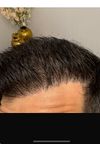
The conversation discusses the optimal amount of Propylene Glycol in Minoxidil for better absorption. It focuses on enhancing the effectiveness of Minoxidil in treating hair loss.
A user expressed concern that minoxidil might have poisoned their cat, leading to heart and lung issues, but others suggested it was unlikely due to minimal exposure. Some users recommended switching to oral minoxidil or using protective measures like a bonnet to prevent potential contact with pets.
User shared 15-month progress using Oral Dutasteride and Sublingual Minoxidil for hair loss. Treatment improved hair density, now considering hair transplant with fewer grafts.
Minoxidil may cause wrinkles and dark circles, which some users report can be mitigated by adjusting dosage. Reactions vary, and while some dismiss these side effects, others experience significant changes.
Minoxidil can cause itching, pimples, and shedding, and starting spironolactone or finasteride may also lead to shedding. Topical CBD oil with MCT is suggested to reduce inflammation, and overlapping shedding might occur but doesn't necessarily increase each other's effects.
User deciding between oral and topical minoxidil, concerned about hypertrichosis and myocarditis interaction. They're using topical finasteride, LLLT, natural oils, dermastamping, and scalp massage, and considering adding oral minoxidil.
The user is considering a hair transplant and is using Kirkland 5% foam minoxidil, oral finasteride, oral minoxidil, and topical minoxidil 7% spray. They are concerned about the necessity and potential side effects of oral minoxidil before the transplant.
A person using Minoxidil, Finasteride, Microneedling, and recently added Tretinoin is experiencing heavy shedding and thinning hair. They suspect Tretinoin has made them respond to Minoxidil and are seeking others with similar experiences.
A user found a solution for Minoxidil-induced dandruff by using a custom NRF 11.121 mixture from a local pharmacy, which includes ingredients like Isopropyl palmitate and Cremophor RH 40. This formulation prevents dryness and allows better penetration when using hair shaders.
Transplanted hairs are thinning after switching from topical to oral minoxidil, with increased shedding and miniaturization. The user is considering reintroducing topical minoxidil and has started using ketoconazole shampoo.
SCUBE3, a protein linked to hair growth in moles, was discovered over 25 years ago and is being developed by Amplifica for potential hair loss treatment. Concerns exist about SCUBE3's association with cancer, as it is a protein that promotes cell growth, which could potentially trigger cancer development if used for hair growth therapy.
HMI-115, a newly discovered hair loss treatment that could potentially be effective for those with diffuse thinning and telogen effluvium. It is based on prolactin receptor antagonist signaling and has already undergone Phase I trials in women, with potential commercialization by 2027.
High-dose Lysine and Histidine supplements caused curly/kinky hair and shedding due to Elastin dysfunction. Minoxidil, white tea, and dark grape juice were mentioned as treatments to inhibit Elastase and mimic Lysyl Oxidase.
Switching from liquid to foam minoxidil may cause mild shedding, possibly due to differences in absorption. Returning to the original liquid formulation typically stabilizes shedding within a few weeks.
The conversation discusses using oral Minoxidil, a vasodilator, for both Raynaud's Syndrome and hair loss. It also inquires about other hair loss treatments that improve blood flow.
A 26-year-old male with grade 3 hair loss is using 2.5 mg oral minoxidil, 1 mg finasteride, 5% minoxidil, ketoconazole shampoo, and kLM d3. He plans to post progress pictures every 6 weeks and is seeking suggestions.
The user added topical minoxidil to their finasteride regimen, resulting in healthier hair and some regrowth, especially after quitting nicotine. They experienced minimal shedding and noted improvements in hairline density, finding the treatment mostly preventative.
The user reported hair thickening and new growth after using minoxidil and microneedling for over three months. They are considering finasteride but have not started it yet.
The user experienced significant hair regrowth and increased density after six months of using oral minoxidil and finasteride chewables, despite going through a secondary shedding phase. The only side effect mentioned was restlessness, and the user feels healthier overall.
The user is using oral finasteride, topical minoxidil, and tretinoin to treat hair loss. After two months, there is noticeable thickening and maintenance of the hairline.
The user shared progress pictures after using Minoxidil and oral Finasteride for eight months to treat hair loss. They experienced significant hair regrowth, and the discussion includes various opinions on the necessity and effectiveness of these treatments.
A new company is introducing a topical treatment combining Minoxidil, Finasteride, and Bimatoprost for hair loss. Users are also inquiring about updates on a minoxidil-enhancing shampoo from Applied Biology.
User reports five months progress on finasteride and oral minoxidil, with thicker hair and no visible scalp. Started at 2.50mg and increased to 10mg without side effects.
User shared progress pictures after 2 months of using 5% topical minoxidil, microneedling, and recently adding 0.01% topical finasteride. The minoxidil solution also contains caffeine, azelaic acid, retinol, adenosine, biotin, and niacinamide.
A user shared their hair loss progress using minoxidil, biotin, finasteride, and ketoconazole, with 7 months of microneedling. They confirmed using oral treatments.
Follistatin, known for inhibiting myostatin and promoting muscle growth in mice, is being discussed as a potential treatment for hair loss. Specific treatments mentioned include Minoxidil, Finasteride, and RU58841.
The user plans to lower their oral minoxidil dose from 5 mg to 2.5 mg to reduce side effects like puffiness and hypertrichosis, while also using finasteride and accutane. They are considering caffeine serums for puffiness and discussing dietary changes or switching to topical minoxidil to address bloating.
.
CumsOnYourFeet69 has been discussing a new treatment called CosmeRNA which claims to target the root cause of male pattern baldness, and is considering using it in conjunction with Minoxidil instead of Finasteride due to possible side effects. Replies have highlighted that the efficacy of this treatment is still unknown, but it could be used as an effective maintenance option if successful.