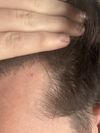
The user has been using topical finasteride and minoxidil for a month to address hair thinning. They are experiencing shedding but have noticed small hairs on their temples.
The user shared their successful hair regrowth experience using Dutas, oral and topical minoxidil, vitamin D3, zinc, biotin, a laser cap, natural shampoos, ketoconazole shampoo, retinoic acid lotion, and mesotherapy. They reported no side effects and significant improvement in hair thickness and color over six months.
The user experienced significant hair regrowth and improved hair quality after six months of using oral minoxidil, finasteride, and micro-needling. They reported increased libido initially but no other side effects, and they plan to continue the treatment.
A 20-year-old experienced side effects from oral finasteride and is considering switching to topical treatments, including minoxidil and tretinoin. Another user shared their experience of switching to topical finasteride and minoxidil, then to oral dutasteride and minoxidil, noting no side effects with dutasteride.
Oral minoxidil can cause side effects like shortness of breath and constipation, which may be reduced by taking it in the morning. Some users experience no side effects, while others switch to topical treatments or adjust their dosage and timing to manage symptoms.
The user shared impressive three-month progress using topical Minoxidil and Finasteride, along with derma rolling and collagen supplements. They reported no side effects and detailed their routine, including specific concentrations of the treatments used.
A 25-year-old male experienced hair regrowth after switching from topical minoxidil to a combination of topical minoxidil and oral finasteride, along with microneedling and multivitamins. He reported no significant side effects from finasteride, except mild discomfort, and emphasized the effectiveness of oral finasteride over topical solutions.
The user shared their 5-year progress using finasteride and topical minoxidil for hair growth, noting initial success but recent thinning and side effects. They plan to switch to dutasteride and oral minoxidil, addressing low iron levels and monitoring potential side effects.
The user reports that after 4 months of microneedling, 10 months of Minoxidil, 2 years of finasteride, and using ketoconazole 3 times a week, their hair has become less dense in the treated areas. Despite initial shedding and continued treatment, they have not seen improvement and feel their body is resistant to the medications.
A user's 7-month progress using 1 mg finasteride and topical minoxidil, with no side effects from the finasteride, achieving baby hairs on the hairline and other positive results. Other users have discussed different treatments such as microneedling and supplements, providing advice and encouragement to the poster.
A 43-year-old male saw significant hair regrowth and increased density after three months using topical Minoxidil (5%), topical Finasteride (0.025%), and 0.75mm microneedling every two weeks, with no side effects. He plans to continue and may reduce Finasteride concentration if progress continues.
The user is using minoxidil and finasteride to treat hair loss and is concerned about shedding and potential aggressive hair loss. They noticed some regrowth in trichoscopy pictures but are unsure about real-life changes.
Minoxidil is applied beyond the crown, including the hairline and other areas, despite labels suggesting crown use only. Users report success with broader application, and some prefer oral minoxidil for convenience.
The user completed 6 months of using topical liquid minoxidil and oral finasteride, experiencing initial hair shedding followed by gradual regrowth after 2 months. They also dealt with dandruff and reported no negative impact on sex drive.
The user shared their 3.5-month progress using topical minoxidil, ketoconazole shampoo, and dermarolling for hair loss, and plans to start finasteride. They experienced relief from scalp issues with ketoconazole and are managing side effects from minoxidil.
User shared 6-month progress of hairline recovery using oral finasteride and topical minoxidil, asking for current Norwood scale rating. Responses praised impressive results, with estimates ranging from Norwood 1.5 to 3.
A 21-year-old is using a topical solution with minoxidil and finasteride for hair loss, along with supplements and specific shampoos, and is considering switching to oral treatments if no progress is seen in a few months. They are concerned about diffuse thinning and potential future hair transplants, and are exploring additional treatments like microneedling and tretinoin.
User started DUT 3 times a week, topical minoxidil/tretinoin at night, and topical stemoxydine/alfatradiol mix with tretinoin in the morning for hair loss. They experienced significant progress and no side effects, crediting a YouTuber for encouragement.
Concerns about using topical minoxidil with tretinoin around toddlers due to potential exposure. Some suggest using oral minoxidil instead to avoid risks.
The conversation is about a user's 1.5-year experience using oral finasteride and minoxidil for hair loss. Users discuss the visual improvement, potential side effects, and the normalcy of shedding during treatment.
The user experienced significant hair regrowth over a year using topical finasteride (0.1%) and minoxidil (7%), along with Ketoconazole shampoo, and recently switched to dutasteride and plans to add oral minoxidil. They managed side effects like oily skin and itchiness with a corticosteroid and chose topical treatments initially to limit systemic exposure.
Minoxidil can be effectively delivered through nanoemulsions containing eucalyptol or oleic acid, enhancing its diffusivity and targeting hair follicles. This contradicts the advice against mixing minoxidil with oils in topical formulations.
The user is documenting their hair loss journey, using oral finasteride since January 2025, and plans to add microneedling and rosemary oil. They have experienced no further hair loss but no gains, and are considering oral minoxidil due to having pets.
A 22-year-old is experiencing hair thinning and is using oral finasteride and minoxidil chewables, along with microneedling and anti-dandruff shampoo, to manage it. Despite experiencing significant shedding, they remain hopeful for regrowth in the coming months.
The user has been using oral finasteride and topical minoxidil for 4 months and is questioning if there's regrowth. Responses suggest that diffuse thinning takes longer to show results, but there is some progress noted.
The conversation discusses using minoxidil and finasteride for hair loss, with concerns about absorption and considering adding tretinoin for better results. Microneedling is suggested as a method to improve absorption, with varying depths and frequencies recommended.
The user experienced significant hair regrowth using oral minoxidil and dutasteride over several months. Many commenters praised the progress and suggested additional treatments like microneedling for further improvement.
The user experienced side effects like shallow breathing, loss of libido, and erectile issues after using topical finasteride with minoxidil for hair loss. They are considering whether to continue the treatment despite these side effects.
The user reports taking high dosage oral minoxidil (10mg/day) for hair growth, which causes facial bloating. They tried using the diuretic furosemide to reduce bloating, but it was ineffective.