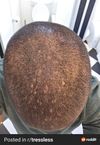
User shares 4-month progress using finasteride, minoxidil, and microneedling for hair loss. Others discuss body hair, hair transplant possibilities, and user's treatment response.
A user switched from topical to oral finasteride (0.5mg daily) and continued using topical minoxidil, seeing significant improvement in hair loss over four months. The user is pleased with the results, especially on the crown, and notes that hairline recession has stopped.
A user experienced reduced stress and improved hair appearance after getting a buzzcut while using finasteride, minoxidil, and microneedling. The user feels the haircut and treatments may have improved hair quality and filled in patchy areas.
A 34-year-old man with diffuse hair loss experienced regrowth and hair thickening using daily Dutasteride, oral and topical Minoxidil, a specialized shampoo, and microneedling. He switched from Finasteride to Dutasteride after seeing significant improvement in a peer, reporting no side effects.
User discusses scalp micropigmentation for denser hair appearance and its benefits compared to lifelong treatments. Special ink is used, which can fade and blur over time but can be topped up.
The user shared progress pictures and discussed using oral and topical Minoxidil, microneedling, recently starting finasteride, multivitamins, vitamin D3, vitamin K, tretinoin, and ketoconazole for hair loss. The conversation focuses on the effectiveness of these treatments.
A user's 6-month progress after using oral finasteride, topical minoxidil, and weekly dermaroller treatments for hair loss. Replies praised the user for their results so far.
The user is experiencing hair regrowth in small clusters using oral minoxidil, oral finasteride, a red light cap, and Nizoral 2% shampoo. They are hopeful for continued improvement and thicker hair.
User noticed hair growth after 1.5 months using Fin, Min, stemoxydine, dermarolling, nizoral, and scalp massage. Others commented on promising results and potential improvement in 6 months.
The user is pleased with increased hair density and thickness after six months of using topical minoxidil and finasteride. They plan to continue the treatment and consider adding dermarolling for potentially better results.
Increased Malassezia and Cutibacterium in the scalp microbiome are linked to higher sebum production and inflammation in androgenetic alopecia (AGA). Treatments include ciclopirox shampoo, benzoyl peroxide shampoo, clobetasol propionate, calcipotriol, minoxidil, finasteride, and dutasteride.
The user experienced significant hair regrowth with topical finasteride, minoxidil, ketoconazole, and dermarolling, but later faced severe hair shedding after stopping dermarolling and reducing ketoconazole use. Suggestions included switching to oral treatments, resuming dermarolling, and considering lifestyle changes.
The user shared progress pictures showing improvement in hair growth after one year of using finasteride and minoxidil. They are considering microneedling to further improve their hairline and have chosen to use a derma stamp.
A 28-year-old user shared their positive experience with hair loss treatment using 1mg oral finasteride daily, topical minoxidil nightly, and weekly dermapen sessions. They reported increased confidence despite minor side effects like dandruff and gray hair.
The user is using a combination of finasteride, dutasteride, oral and topical minoxidil, PRP, and stem cell treatments for hair loss. They report slowed shedding and new vellus hairs on the hairline, questioning if they are a strong responder to the treatment.
The user experienced significant hair regrowth after 4 months using oral minoxidil, oral dutasteride, topical minoxidil, Nizoral shampoo, microneedling, and various supplements. They reported increased body hair and some acne as side effects but noticed less hair breakage with silk pillows.
The user noticed small circular hairless spots after a buzz cut and has been using finasteride, dutasteride, and oral minoxidil for hair loss. They are experiencing continuous shedding and thinning, and it is suggested they consult a dermatologist for a scalp examination and possible biopsy to determine if it's alopecia areata or androgenetic alopecia.
The user is experiencing thinning at the temporal points and has been using minoxidil, dermarolling, and a mixture of natural oils to improve hair growth. They are considering finasteride as a potential treatment based on shared information.
A gel of keratin microspheres promotes hair follicle growth, showing similar effectiveness to minoxidil in mice. The treatment activates hair growth pathways and reduces inflammation, with potential applications in drug delivery for hair-related disorders.
The conversation is about hair loss treatment progress using oral finasteride, topical minoxidil, and microneedling. Users discuss experiencing shedding phases and the importance of trusting the process for hair regrowth.
The user experienced hair growth using 2.5mg oral minoxidil, 0.5mg dutasteride daily, and 2% ketoconazole shampoo twice a week, noting fuller hair and less noticeable temple recession. They switched from finasteride and topical minoxidil to more aggressive treatments for better results.
Exploring the idea of using facial hair properties for scalp regeneration in male pattern baldness, considering the potential of transferring androgen-resistant characteristics from facial hair to the scalp. Challenges include complexity, scalability, aesthetics, and safety, but the concept encourages innovative thinking beyond current treatments like Minoxidil, Finasteride, and hair transplants.
The user experienced side effects from oral minoxidil and is considering switching to topical minoxidil and a roller. They are taking a reduced dosage of 0.625 mg daily and have seen hair growth within a month.
A user shared their 3-month hair growth progress using 1mg oral finasteride, 5% topical minoxidil, and microneedling with a 1.5 mm dermaroller twice weekly. The user received positive feedback and expressed a desire for thicker hair in the future.
User applied topical Minoxidil 5% and Finasteride 0.1% daily, with rosemary oil weekly, and saw initial baby hair growth. They plan to add derma stamping and Redensyl serum.
The conversation is about an 18-year-old's progress with hair regrowth using oral Minoxidil, dermarolling, and RU58841 over three months, starting treatment after beginning to lose hair at 16. Participants are impressed with the improvement and encourage continued treatment.
Taking minoxidil both orally and topically may improve results, but consistency with topical application might not be as crucial if oral intake is regular. Microneedling is also considered for additional benefits.
The user is considering stopping topical minoxidil due to lack of improvement in hair growth and is exploring alternatives like oral minoxidil, topical finasteride, and tretinoin. They are hesitant about oral finasteride and dutasteride, and are open to trying oral minoxidil if available, despite concerns about potential heart-related side effects.
A user shared their 6-month hair loss progress using topical minoxidil, oral finasteride, and microneedling, reporting positive results despite recent shedding. They also mentioned using rosemary oil and a special head lotion for dandruff.