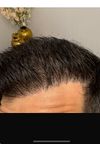
This conversation is about hair loss treatments, specifically oral minoxidil and finasteride. Users discussed the potential side effects of using these drugs, as well as their experiences with them.
A user experienced severe side effects, including symptoms of congestive heart failure, after using excessive doses of minoxidil for beard growth. They stopped using it due to financial reasons, but still suffer from lingering symptoms and are advised to seek medical attention.
The conversation discusses switching from oral to topical finasteride due to side effects like nipple soreness. The user seeks advice on diluting and applying topical finasteride to minimize adverse effects.
Scalp sunburns can cause permanent hair loss, so wearing UPF hats is essential. Tretinoin and Tacrolimus users should be cautious of increased photosensitivity and potential scalp issues.
The conversation is about the potential side effects of using verteporfin in conjunction with a hair transplant. Specific treatments discussed include verteporfin, a hair transplant (HT), minoxidil (Min), finasteride (Fin), and RU58841 (RU).
The user experienced high liver enzyme levels, possibly due to topical finasteride or supplements, and decided to stop using finasteride while continuing minoxidil. After stopping finasteride and supplements, liver levels returned to normal, suggesting finasteride or supplements might have been the cause.
The conversation discusses switching from topical to oral minoxidil, using oral minoxidil daily and topical minoxidil only on microneedling days. The user also mentions using finasteride and tretinoin but has not seen results after two months.
The user had been using Minoxidil and Dutasteride with micro-needling but experienced hair loss after switching Minoxidil brands. Their doctor prescribed oral Minoxidil and Tretinoin, but the pharmacist suggested isotretinoin might be a more cost-effective alternative.
The user is considering switching from oral to topical minoxidil due to lack of improvement and side effects, while continuing with dutasteride or finasteride. They seek advice from others with diffuse thinning.
The conversation humorously discusses hair loss treatments, mentioning "oral miraclegro," "topical roundup," "spectracide," "Cow Dung mesotherapy," and "weekly Foot stepping sessions." The user jokingly considers switching to "weed and feed" as a treatment.
Minoxidil is causing severe scalp irritation, including itchiness and dryness, for the user. Alternatives suggested include anti-fungal treatments, propylene-glycol-free formulations, and possibly oral minoxidil.
The user is considering switching from topical minoxidil to a combined oral treatment of finasteride and minoxidil for better consistency but is concerned about potential side effects like shedding, dizziness, and swelling. Another user advises that oral minoxidil should only be used under medical supervision with regular health checks and suggests using reputable brands like Pfizer's Loniten.
RU58841's side effects may be exaggerated due to anxiety, with some users experiencing no issues and others reporting symptoms like chest pain. RU58841, minoxidil, and finasteride are used for hair loss treatment, with varying individual reactions.
The user is considering switching from topical to oral minoxidil to address thinning hair and a receding hairline. They are currently using topical minoxidil with tretinoin, finasteride, and ketoconazole shampoo without side effects.
The user is experiencing an itchy scalp and acne while using oral dutasteride and minoxidil for hair loss. They are considering stopping minoxidil to see if symptoms improve and possibly switching to finasteride if needed.
A user shared their experience with oral minoxidil and finasteride for hair loss, taking 7.5mg of minoxidil and experiencing excessive hair growth all over their body without major side effects. Some users suggested lower doses for safety, while others shared their own experiences with hair growth in different areas and side effects.
Minoxidil is highly toxic to pets, particularly cats and dogs, and there is a call for proper labeling to warn pet owners. Despite some skepticism about the effectiveness of petitions, many agree that awareness and caution are necessary to prevent accidental poisoning.
Topical minoxidil may cause skin aging effects like wrinkles and dark circles, possibly due to its alcohol content, while oral finasteride is reported to make users look younger. Switching to oral minoxidil or using moisturizers might help reduce these skin issues.
Caffeine may interfere with oral minoxidil because caffeine increases blood pressure while minoxidil lowers it. Users discuss potential interactions and effects on hair loss treatment.
Transplanted hairs are thinning after switching from topical to oral minoxidil, with increased shedding and miniaturization. The user is considering reintroducing topical minoxidil and has started using ketoconazole shampoo.
Tretinoin may help more minoxidil convert to its active form and could potentially increase its absorption, raising concerns about safety if too much enters the bloodstream. It's unclear if tretinoin affects finasteride absorption.
A user is considering microneedling to enhance absorption of a prescribed topical hair loss treatment containing Minoxidil, Dutasteride, and Latanoprost, while already taking oral Minoxidil and Dutasteride. They seek advice on the effectiveness and safety of combining these treatments, especially due to the cost and their desire to maximize results.
The conversation discusses a user's plan to inject NAD+ and GHK-Cu into their scalp to improve hair health, with concerns raised about the risks of infection and necrosis. Alternatives like finasteride, dutasteride, microneedling, oral minoxidil, and scalp massages are suggested.
Oral minoxidil can boost hair growth but may cause side effects like heart palpitations and increased body hair. Many prefer topical minoxidil due to fewer side effects.
A user has been using topical minoxidil and finasteride for hair loss but is considering switching to oral minoxidil due to the inconvenience of topical application. Another user cautions that switching forms may cause shedding and that oral minoxidil may have different side effects and results.
Pyrilutamide should not be mixed with Minoxidil because the water in Minoxidil can degrade it. It's suggested to apply Minoxidil first, wait an hour, then apply Pyrilutamide.
The user experienced increased hair shedding after using RU58841 for two months, but found relief from scalp itchiness. Other users shared similar shedding experiences and discussed side effects like joint pain, while also mentioning the use of finasteride and minoxidil.