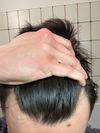
This conversation is about hair loss treatments, specifically oral minoxidil and finasteride. Users discussed the potential side effects of using these drugs, as well as their experiences with them.
Microneedling with finasteride, minoxidil, DMSO, and black seed oil shows mixed hair regrowth results. There are concerns about DMSO's safety and effectiveness.
The conversation is about a user who has been using topical minoxidil for 3 months and oral finasteride for 2.5 years to combat hair loss, with positive results so far. The user is curious about future hair growth and considers additional treatments like dermarolling and low-level laser therapy.
User seeks treatment to increase minoxidil efficacy. Suggestions include microneedling, oral minoxidil, and Tretinoin, with mixed experiences and side effects.
The user has been using finasteride for over a year and topical minoxidil since March, noticing small hairs but no significant regrowth. Suggestions include continuing the current treatment, considering microneedling, and possibly trying oral minoxidil for better results.
The conversation is about someone who initially had positive results with Minoxidil for hair loss, lost those gains due to a hospital stay, and is now not seeing the same results upon resuming treatment. They plan to add microneedling and/or tretinoin to their regimen and are seeking success stories from others who did not respond to Minoxidil alone.
The user is using RU58841 for hair regrowth on the temples and is considering adding minoxidil. They are questioning the potential for vellus hairs to develop into fuller hair and the possibility of reactivating dormant follicles.
The conversation discusses a new study on topical pumpkin seed oil for hair loss in mice. Treatments mentioned include Minoxidil, finasteride, and RU58841.
The user has been using oral minoxidil and dutasteride since September 1, 2024, and added 5% topical minoxidil and a dermaroller in October, noticing regrowth, especially with the addition of topical minoxidil. They plan to consider finasteride for further improvement and have experienced some increased body hair growth from the oral minoxidil.
Osteopontin, a protein involved in hair growth on moles, may help with hair loss. However, it is also linked to Alzheimer's, cancer, and bone development, so caution is advised.
A 24-year-old with mild temple recession is using 5% minoxidil without noticeable effects and has started topical finasteride but is anxious about potential side effects. They are considering a specialist visit for peace of mind despite the cost.
A 38-year-old male shared 5 months of hair loss treatment progress using oral finasteride, topical finasteride, topical minoxidil, microneedling, and supplements like biotin, zinc, saw palmetto, and pygeum. He is uncertain about the progress.
Minoxidil 0.5% MMP® showed better results in parietal-vertex regions for less advanced female pattern hair loss compared to Minoxidil 5%. MMP® with Minoxidil can improve the quality of life for these patients.
Switching from liquid to foam Minoxidil to avoid scalp irritation, with a method to melt the foam for easier application. Users discuss alternatives and personal experiences with Minoxidil, including issues with propylene glycol and different application methods.
User shared 13 months of progress using finasteride, microneedling, vitamins, and scalp care, and recently started stemoxydine. The post includes before and after photos.
A user shared their 9-month hair regrowth progress using 2 mg of oral Minoxidil, topical Finasteride, and dermarolling. They experienced shedding phases but saw improvement, especially in the front and widow's peak areas.
The user has been using 1mg Finasteride daily for six months, experiencing reduced shedding and itchiness but some frontal thinning. They are considering adding Minoxidil and have started dermarolling to enhance results.
User shared progress using topical Finasteride 0.3% and Minoxidil 6% daily since January, noting some improvement and no side effects. Considering adding derma rolling for better results.
The user is struggling with seborrheic dermatitis and plans to try ciclopirox olamine after finding ketoconazole too drying. They are also using finasteride daily.
The user is using Minoxidil, Finasteride, microneedling, and plans to add low-level laser therapy (LLLT) to treat hair thinning. They shared progress pictures showing results from May 8th to June 7th.
A user shared their experience using 5% topical Minoxidil for 18 months and recently added 1 mg oral Finasteride daily, noting minimal results so far but expecting improvement. They mentioned challenges with application consistency and technique, and are hopeful for increased hair density.
Hair loss can be influenced by chronic low-level allergies, and treatments like fexofenadine or topical cetirizine may help with regrowth. The user avoids finasteride, dutasteride, and minoxidil, and has tried Regenera Activa and PRF sessions.
Making a 1 year update on hair loss treatment of Finasteride, 5 mg oral minoxidil and topical minoxidil with 1.5 mm dermarolling; the user experienced some face pimples, baggy eyes, and had tried skin care. They also used fiber with their hair product and left it for a few days to make it look visually better. Replies were positive and one asked if using both oral and topical minoxidil was overkill.
A 26-year-old male used 1mg oral finasteride and 5% topical minoxidil for a year, noticing progress despite initial skepticism and minor side effects. He applied minoxidil to both the hairline and entire scalp, and attempted microneedling but discontinued due to sneezing.
The conversation discusses the timing of applying Minoxidil and finasteride after microneedling. Opinions vary, with some suggesting immediate application and others recommending waiting to avoid skin irritation.
The user started with 1mg oral finasteride and 2.5mg oral minoxidil daily in January 2023, but stopped minoxidil due to an elevated heart rate. They then saw regrowth after beginning topical minoxidil and microneedling in early 2024.
Switching from oral to topical minoxidil due to health issues, with advice on using tretinoin to enhance effectiveness. Tretinoin can improve minoxidil absorption and effectiveness, potentially reducing application frequency.
The user has been using 3mg oral Minoxidil and 1.1mg oral Finasteride for 15 months and plans to switch to 5mg oral Minoxidil, 1.1mg oral Finasteride, and 0.1mg oral Dutasteride. They have also used ketoconazole and salicylic acid shampoo for seborrheic dermatitis and hope to see more hair growth with the increased dosage.
The user discusses using Minoxidil for hair loss and is considering RU58841 to reduce excessive oil production. They seek advice on RU58841's effectiveness in blocking sebum production.
Hair regrowth using oral finasteride and topical minoxidil, with significant improvement after three months. Some users experienced side effects like bloating and dark circles, and discussed alternative treatments like microneedling and natural oils.