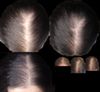
A user shared progress pictures after 9 months of using 1 mg finasteride, 2.5 mg oral minoxidil, microneedling, and ketoconazole, noting no visible improvement and considering switching fully to dutasteride. Another user commented that there were gains in the temples and praised the early intervention.
A 25-year-old male with seborrheic dermatitis and hair thinning seeks advice on the severity of his condition and treatment options. Oral finasteride and oral minoxidil are recommended as the most effective long-term treatments.
A user is concerned about the long-term commitment and potential side effects of using oral finasteride and topical minoxidil for hair loss. They are debating whether to accept their hair loss or start the treatment despite mixed results from others.
Rhamnose may promote hair growth and pigmentation, suggesting it as a potential hair loss treatment. The conversation discusses its potential alongside known treatments like Minoxidil, finasteride, and RU58841.
User is using Finasteride, oral Minoxidil, Microneedling, Dutasteride, KX-826, and topical Minoxidil for hair regrowth. Experiencing heartburn from oral Minoxidil, others suggest stopping it and continuing with other treatments.
The user is experiencing hair regrowth with oral minoxidil and dutasteride but still has fragile hairs that easily pluck out from the front center. Despite improvements, the user is concerned about the persistent fragility and shedding of these hairs.
The user has seen good progress in hair density after almost 10 months using 0.6 mg oral minoxidil, 1.25 mg oral finasteride every other day, and topical minoxidil twice daily, along with weekly derma stamping. They experienced side effects with higher doses of minoxidil and encourage others to try these treatments.
The user is using topical dutasteride, finasteride, minoxidil, and tretinoin but seeing no results or side effects. They also microneedle every two weeks but experience little bleeding, questioning if a thick scalp is preventing treatment effectiveness.
The user is considering switching from finasteride to dutasteride and possibly using oral minoxidil to address hair loss, having seen some progress with topical treatments and microneedling. They are also contemplating a hair transplant in the future and seeking advice on obtaining medications in Italy.
The conversation discusses using 1.5mm microneedling to improve responses to Minoxidil for hair loss. One user humorously suggests more aggressive microneedling.
A user has been using sublingual minoxidil for hair loss due to difficulty obtaining pills and is concerned about cancer risk from ethanol exposure. Other users advise against this method, suggesting topical application instead, and debate the potential risks of ingesting topical minoxidil.
A user shared their 2-month progress using oral and topical minoxidil, oral finasteride, topical rosemary oil, keto shampoo, a derma pen, and scalp massages for hair loss. They reported significant improvement and plan to continue with updates.
HMI-115, a newly discovered hair loss treatment that could potentially be effective for those with diffuse thinning and telogen effluvium. It is based on prolactin receptor antagonist signaling and has already undergone Phase I trials in women, with potential commercialization by 2027.
The trial for TDM-105795 has been completed, and it was in phase 2A. The discussion seeks input on the next phases, 2B or 3, based on safety and efficacy.
Broccoli or sulforaphane supplements are unlikely to improve Minoxidil results due to the need for an unrealistically large dose. Tretinoin, micro-needling, and low-dose oral Minoxidil may be more effective for those lacking the necessary enzyme in the scalp.
The user has been experiencing diffuse hair thinning despite using finasteride, minoxidil, dermarolling, clobetasol cream, and PRP sessions. They seek advice on additional treatments and are advised to check vitamin D, iron, and thyroid levels.
The user is using topical Minoxidil 5% and Finasteride 0.1% for hair loss and is concerned about potential side effects of oral treatments due to a history of depression and testosterone replacement therapy. Other users suggest that oral Finasteride may be more effective, but results typically take several months to a year to become noticeable.
The user has been applying 2ml of 5% minoxidil and 0.1% topical finasteride daily for hair loss and started derma rolling a week ago. They are considering adding 0.025% topical dutasteride to their routine twice a week and are seeking advice.
The user experienced hair regrowth using finasteride, oral and topical minoxidil, and RU58841, despite initial shedding. They also transitioned from finasteride to dutasteride and addressed scalp issues with a folliculitis shampoo.
The conversation discusses the link between increased estrogen and autoimmune diseases, with a focus on avoiding soy and milk. It also mentions treatments like Minoxidil, finasteride, and RU58841 for hair loss.
A user shared their 12-month progress using 0.5% Pyrilutamide once daily, 0.025% topical finasteride once daily, 5% Minoxidil twice daily, and microneedling 3 times a week. They reported good progress but noted a slowdown in recent months, hoping for thicker hair soon.
A person with hair loss due to seborrheic dermatitis saw improvement after treating the condition and using 5mg oral minoxidil, topical minoxidil, collagen, biotin, and vitamins. They are asking if the progress is real, and others have noted the oral minoxidil as a significant treatment.
A user's experience with microneedling monotherapy and potential treatments such as finasteride, minoxidil, Stemoxydine, rosemary oil, peppermint oil, and RU58841 for reversing hair loss.
A 17-year-old is addressing hair loss with finasteride, topical minoxidil, and microneedling. They are considering adding GHK-Cu to their regimen, but others advise caution with finasteride due to age.
The user switched from topical minoxidil to oral minoxidil and added RU58841 to their hair loss treatment but hasn't seen improvement after several months, causing frustration. They also mentioned using finasteride and are confused about the lack of results despite oral minoxidil's reported high success rate.
A 46-year-old male shared his 3-week progress using HIMS serum with Finasteride 0.3% and Minoxidil 6%, showing improvement without noticeable shedding. His routine includes vitamins, a healthy diet, and specific hair care practices like microneedling and using caffeine solution.
A young female diagnosed with Lichen planopilaris (LPP) experienced years of misdiagnosis and ineffective treatments, including a hair transplant and other procedures. She is considering litigation due to the misdiagnosis and has learned that LPP is chronic, hair loss can be stopped with ongoing medication, but lost hair cannot regrow.
OP saw positive results from 4 months of finasteride, vitamin D3, and microneedling. They plan to add rosemary and castor oil but decided against using minoxidil.
The user shared their 4-month progress using oral finasteride and topical minoxidil, with a specific application routine. They adjust the minoxidil application to manage costs, applying it daily with variations in quantity and additional tretinoin on certain days.