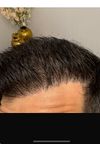
A hair loss regimen that includes oral dutasteride and topical minoxidil, as well as occasional dermapen treatments; the user inquires about when they noticed most regrowth.
Transplanted hairs are thinning after switching from topical to oral minoxidil, with increased shedding and miniaturization. The user is considering reintroducing topical minoxidil and has started using ketoconazole shampoo.
The user stabilized hair loss with oral Finasteride and saw significant hair growth after adding oral Minoxidil. They also used collagen peptides and had no side effects.
The user reported significant hair growth after 8 months using a topical solution of 0.25% Finasteride and 8% Minoxidil, with no side effects. They also performed micro-needling and took multivitamins.
The user experienced significant hair loss on the scalp, eyebrows, eyelashes, and pubic area, along with itchy, flaky skin and red patches. They have a history of eczema and dermatitis and suspect that stopping shampoo use and taking Ritalin may have contributed to the issue.
RU58841 worsened hair condition, causing thinning and unusual patterns. The user stopped using it two months ago but hasn't seen recovery, and there's speculation about androgen receptor upregulation.
A user shared their 1.5-month progress using a routine of topical finasteride and minoxidil gel, minoxidil foam, microneedling, keto shampoo, and a multivitamin. They reported noticeable hair regrowth for the first time in a decade.
The user shared their experience with oral minoxidil for hair loss, noting initial shedding but some improvement in hair thickness and coloration. They also use dutasteride, RU58841, topical minoxidil, a laser hat, dermapen, Nizoral, caffeine shampoo, castor oil, vitamins, and MSM tablets.
A 27-year-old male is experiencing a recurring pattern of hair loss after 5 months of using oral minoxidil and finasteride, despite initial success. He is considering using topical androgen receptor blockers like RU58841, pyrilutamide, or clascoterone to address potential androgen receptor hypersensitivity.
The user discusses using a topical solution with minoxidil, finasteride, and additional ingredients like apigenin, oleanolic acid, and biotinoyl tripeptide. They question if this combination is more effective than using just minoxidil and finasteride alone, noting they are already taking oral finasteride.
The user experienced significant hair regrowth using topical finasteride/minoxidil and oral minoxidil/dutasteride, with some mild side effects that diminished over time. They plan to add microneedling to their regimen and have seen hair shedding cycles every six months, followed by thicker regrowth.
A user's 6-month progress after using oral finasteride, topical minoxidil, and weekly dermaroller treatments for hair loss. Replies praised the user for their results so far.
A user's progress using oral minoxidil and dutasteride to treat hair loss, which has yielded positive results. Other users have wished him luck in his journey.
The user is experiencing hair regrowth after 4.5 months of using oral minoxidil, oral dutasteride, latanoprost, ketoconazole shampoo, and dermarolling. They report shedding initially but have seen improvement without significant side effects.
The user applies 2ml of a lotion containing 5% minoxidil, 0.3% finasteride, hydrocortisone butyrate, and cetirizine before bed, but it leaves a residue on the scalp. Another user suggests reducing the amount to 1ml, as 2ml results in a high finasteride dosage.
The user started using pyrilutamide for hair loss on January 24, applying 1ml daily without other treatments, and after 10 days noticed reduced hair shedding and improved hair quality, with plans to continue for at least 6 months. They experienced chest pain initially, which could be related to starting methylphenidate or pyrilutamide, but the pain has since subsided.
The user is seeing progress in hair regrowth using a combination of 8% minoxidil, 0.25% dutasteride, and 0.01% tretinoin. The conversation includes comments on the effectiveness and application of these treatments.
The user has been using topical finasteride and minoxidil for two years with decent regrowth and recently added microneedling to their routine. They are questioning if the small hairs observed are new regrowth from microneedling or just vellus or miniaturized hairs.
The conversation is about someone's 4.5-month progress using oral finasteride and topical minoxidil once daily for hair loss. They shared their results with progress pictures.
The user is considering using P5P to reduce high prolactin levels and is questioning if oral minoxidil could be contributing to the issue. They are also debating whether to switch from oral to topical minoxidil.
Low Dose Naltrexone (LDN) may reduce inflammation in alopecia conditions. It is discussed as a potential adjunct treatment with finasteride or dutasteride for androgenic alopecia.
Minoxidil may not be effective due to low sulfotransferase activity, and the user considers adding tretinoin to the regimen. They are unsure about the timing and combination with microneedling.
A user is combining RU58841 with a topical formula containing finasteride, dutasteride, minoxidil, triamcinolone, caffeine, and other ingredients. They have just started using it and report no side effects so far.
The user is considering using Minoxidil and Tretinoin to manage hair loss while waiting for Breezula/PP405, as they cannot tolerate dutasteride or finasteride. They hope these treatments will help retain hair despite ongoing loss.
The conversation is about a hair regrowth regimen that includes using minoxidil, peppermint oil, a red light hat, and microneedling. The user is seeking advice on the effectiveness and frequency of these treatments.
PP405's phase 2a trial results were presented, focusing on safety and pharmacokinetics, with a future meeting planned to share the full dataset. The trial includes a randomized controlled portion and an open-label extension, with no indication of phase 2B completion.
The conversation discusses HMI 115, a new hair loss treatment with promising results, showing a significant increase in hair density after two months. Some users are skeptical, while others are hopeful for its release and potential affordability.
The user has been using topical minoxidil and finasteride for four months, along with microneedling and Nizoral, noticing thicker lashes and eyebrows but not much scalp hair growth. They apply the treatment twice daily with a 5% minoxidil and 0.3% finasteride solution.
A new hair loss protocol using FDA-approved topical treatments targets eight pathways, potentially improving results by 60-75% compared to the standard 40-50% from oral minoxidil and finasteride. The protocol includes minoxidil, finasteride, tacrolimus, cetirizine, bimatoprost, lithium gluconate, losartan, melatonin, NAC, caffeine, and tretinoin, with a monthly cost of $35-50 in Mexico and $80-150 in the US.
A 37-year-old man achieved significant hair regrowth in five months using topical minoxidil 5%, rosemary oil massages, and Nizoral 2% shampoo. His impressive results led to disbelief and admiration, with some attributing his success to being a "hyper responder."