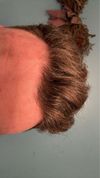
User starts Nuclear Stack treatment for hair loss, including Dutasteride, Minoxidil, RU58841, Derminator 2, and supplements. Seeks advice on storing and dosing RU58841.
The user experienced side effects from spironolactone and is seeking alternatives for androgenetic alopecia (AGA), considering saw palmetto but unsure of its effectiveness. They are also exploring the possibility of using topical spironolactone, despite availability challenges.
The user "ajsr8" shared their story of hair loss despite being on treatments. They started using finasteride in 2019 and later tried topical minoxidil, but it didn't seem to work. They also experienced side effects from other treatments. They are considering cutting off their hair and stopping the medications if there is no improvement in three months. Other users suggested trying different treatments and getting a blood test to check for underlying conditions.
The user is frustrated with the lack of visible hair regrowth after 7-8 months of using finasteride and minoxidil, despite initial vellus hair growth. Others suggest patience, switching to oral minoxidil, or using additional treatments like dermastamping, microneedling, and red light therapy.
A 19-year-old is experiencing hair loss and has been using Rogaine for a month and finasteride for four days without improvement, while also experiencing testicular discomfort. They are concerned about losing hair density and potential DUPA, comparing their situation to their father's hair condition.
A 33-year-old man experienced diffuse thinning and hair shedding due to sleep deprivation and low testosterone. After starting hCG treatment, he noticed hair regrowth on his temples.
Hair loss treatments discussed include microneedling, minoxidil, tretinoin, finasteride, dutasteride, pumpkin seeds, saw palmetto, and scalp massage. The consensus is that finasteride or dutasteride is necessary for significant regrowth, while other methods may only slow hair loss.
Finasteride may affect prostate sensation and size, with some users reporting easier urination. Concerns exist about prostate shrinkage even at lower doses.
Bicalutamide blocks androgen receptors, preventing testosterone and DHT from binding, which can help with hair loss but may cause feminization. It is not recommended for those who do not want feminization effects.
A user shared their year-long hair loss treatment using minoxidil, microneedling, and scalp massages, reporting moderate hair growth and stabilization. They suggest starting early with less harmful methods and consider adding finasteride or dutasteride if needed.
ABS-201 shows promise for male hair regrowth by blocking the prolactin receptor, with higher expected efficacy than current treatments. The discussion also covers dosing differences between macaques and humans for hmi115, highlighting a significant dosage disparity.
The user experienced better hair thickening results with a combination pill of oral minoxidil (3mg) and finasteride (1mg) compared to previous treatments with topical minoxidil and finasteride alone. They reported no significant side effects and expressed regret for not starting this treatment earlier.
A 20-year-old has seen no improvement in hair loss after 8 months using finasteride, minoxidil, topical solutions, and microneedling. They express frustration and a loss of confidence due to the lack of results.
Minoxidil and finasteride can help regrow hair, especially in thinning areas, but restoring completely receded temples is challenging and may require a hair transplant. Some users report success with these treatments, particularly when combined with microneedling.
The user experienced significant hair shedding and dryness after starting minoxidil 8 months post-hair transplant, despite using finasteride and oils like castor and pumpkin seed oil. They expressed concern over the loss of density and the appearance of a failed transplant.
A 17-year-old is using oral dutasteride, finasteride, and topical minoxidil for hair loss, with plans to increase dutasteride and consider surgery. They report significant regrowth but are worried about side effects and the effects of blocking DHT at a young age.
Diffuse thinners often experience more hair regrowth with DHT blockers like finasteride, possibly due to less DHT sensitivity and the presence of miniaturized, not completely bald, follicles. However, regrowth varies widely among individuals, influenced by factors like genetics, the stage of hair loss, and treatment methods such as minoxidil, microneedling, and dermarolling.
A 19-year-old male has been experiencing aggressive hair loss since age 15/16 and has tried various treatments including topical Minoxidil, microneedling, tretinoin, retinoic acid, stemoxydine, RU58841, and finasteride without success. He recently added oral Minoxidil but continues to experience significant hair thinning and is considering switching to dutasteride.
.
CumsOnYourFeet69 has been discussing a new treatment called CosmeRNA which claims to target the root cause of male pattern baldness, and is considering using it in conjunction with Minoxidil instead of Finasteride due to possible side effects. Replies have highlighted that the efficacy of this treatment is still unknown, but it could be used as an effective maintenance option if successful.
A 17-year-old is using Finasteride and Minoxidil for hair loss, experiencing hair shedding and cystic acne. They are considering Dutasteride for acne but are concerned about potential side effects on genital development.
A 33-year-old man is concerned about potential hair loss, comparing his hairline to his father's and noticing increased shedding and thinning. He is considering treatments like Minoxidil and Finasteride but is unsure if he has male pattern baldness.
Finasteride can affect hormone levels, potentially causing symptoms like puffy nipples and testicular pain, and may result in elevated prolactin and high testosterone. The user is seeking interpretation of these changes after taking finasteride.
A user with low testosterone and mild gyno is considering finasteride for hair loss. Others suggest consulting an endocrinologist first and share experiences of finasteride not worsening gyno.
A 31-year-old man is experiencing hair loss, using minoxidil with mixed results, and has started finasteride. He is considering a hair transplant if these treatments are ineffective.
Oral minoxidil may cause facial bloating and dark circles, making some users feel they look older. Some consider reducing the dosage or switching treatments due to these side effects.
The conversation is about the safety of using hair loss products like Minoxidil and finasteride while trying to conceive and after birth. The user is seeking advice on whether these products are safe for the baby and if any men in similar situations can share their experiences.
A 31-year-old has been using finasteride, dutasteride, and oral minoxidil for hair loss. They noticed a sudden triangular thinning patch on their scalp and are seeking advice, questioning if it could be medication-related.
An 18-year-old is concerned that finasteride hasn't stopped his hair loss after several months. Suggestions include giving it more time, combining it with minoxidil, and consulting a dermatologist.
A 41-year-old South Asian individual feels hopeless about hair loss and cannot use oral finasteride or dutasteride due to existing gynecomastia. They are seeking advice on alternative treatments.