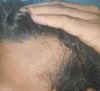
The user switched from Hims topical finasteride and minoxidil to Musely Hair Pill Bloom+, which includes minoxidil, dutasteride, and other vitamins, and noticed new hair growth but also experienced lower blood pressure. Another user ordered a minoxidil-only pill.
The user is frustrated with dermatologists who dismiss Minoxidil and finasteride as unsafe, instead recommending mustard oil, PRP, zinc supplements, and hair products. The user feels these suggestions are ineffective and is considering starting Minoxidil and finasteride despite the dermatologists' advice.
The user is using oral finasteride and minoxidil 2mg for hair loss and is considering adding a scalp serum with caffeine, but is concerned it might interfere with minoxidil. They seek advice on maintaining a hydrated, non-oily scalp.
The conversation is about a person's 6-week progress using 2.5 mg oral minoxidil, 0.5 mg dutasteride, weekly derma stamping at 1.5 mm, and rosemary oil for hair loss, with some initial shedding but no side effects. They are optimistic about future results.
The conversation discusses alternatives to minoxidil and finasteride for hair loss, with users expressing skepticism about the effectiveness of Redensyl, Procapil, and Baicapil. One user recommends Finax by Dr. Reddy as a reliable option in India.
The user experienced hair regrowth using finasteride, minoxidil, biotin, and vitamins, along with exercise and a healthier diet. They reported no side effects from the treatments.
The conversation discusses using finasteride for hair loss and considers additional supplements like vitamin D3, melatonin, zinc, biotin, and minoxidil. There is debate over zinc's effectiveness, with some suggesting it may not be beneficial for hair loss.
The user is taking 2.5mg of oral Minoxidil and using Rosemary and Peppermint oil for hair regrowth, with no side effects reported. They are considering increasing the dosage to 5mg after three months and have been advised to include a dermaroller in their routine.
A user asked about Dr. Berg's recommended supplements for hair health, including Vitamin C, trace minerals, Omega 3, collagen, silica, B-vitamins, stinging nettle root, B6, B2, copper, and Vitamin D. Responses advised against following Dr. Berg, labeling him a quack, and suggested that only stinging nettle root might help with DHT, while the rest are only beneficial if deficient.
The user checked iron, ferritin, B12, zinc, testosterone, DHT, and estrogens to understand hair loss causes and the effects of dutasteride. They also noted increased heart rate and paleness with oral minoxidil.
B-complex vitamins may improve hair appearance but have limited impact on hair loss. Some users also use minoxidil and finasteride for hair loss treatment.
Dustaride doesn't require avoiding any vitamins, but checking vitamin D levels and supplementing if deficient is suggested. Hair vitamins are generally unnecessary unless there's a deficiency.
Taking oral Vitamin D alongside topical minoxidil improves hair density more than using minoxidil alone. Users discuss Vitamin D dosages, potential benefits, and the importance of combining it with Vitamin K2.
A 26-year-old male with early hair thinning is using finasteride, topical minoxidil, and supplements for deficiencies in iron, B12, and vitamin D3. He is considering adding oral minoxidil to his treatment plan.
The conversation is about exploring additional hair loss treatments, with suggestions including topical melatonin, caffeine-based shampoos, redensyl, copper-peptides, pumpkin seed oil, saw palmetto, ketoconazole shampoo, and fluridil. Caution is advised against using products from AliExpress and Temu due to potential safety concerns.
Hair loss is linked to scalp fibrosis and tension, which result from chronic mechanical stress and androgenic signaling. Treatments include blocking androgens with finasteride, promoting hair growth with topical minoxidil, and improving scalp mobility through exercises.
The conversation is about hair regrowth, with the original poster using natural oils and supplements like pumpkin seed, saw palmetto, and zinc, while considering pharmaceutical options like minoxidil, finasteride, and dutasteride. Most users suggest using finasteride or dutasteride for effective results, as natural remedies are seen as ineffective.
A dermatologist advised stopping oral Minoxidil for a 19-year-old and suggested a topical mix with Minoxidil, Finasteride, Tretinoin, and Melatonin, while continuing oral Finasteride. The user is curious about the effectiveness and side effects of switching to Dutasteride compared to the topical mix.
Caffeine in hair care can support hair growth but is not a standalone solution; it's best used in combination with other treatments like minoxidil and finasteride. Some products combine caffeine with these treatments for enhanced effects.
The user shared their positive experience with a 1,500 graft FUE hair transplant at NewHair Institute in Korea, highlighting the natural design by Dr. Jino Kim and the supportive staff. They experienced minimal discomfort and swelling, and appreciated the thorough aftercare and communication.
Oral minoxidil boosted vertex hair but not the hairline, with a stack including 5mg minoxidil, 2mg dutasteride, topical foam minoxidil, fluridil, and Nizoral. Users discuss dosing strategies, with some suggesting 2.5mg twice daily for sustained levels, while others recommend 5mg once daily based on clinical trials.
The conversation humorously discusses hair loss and subtle differences in hairlines, with references to Norwood scale stages. It satirizes the idea of asking AI for hair advice.
This post and conversation are about mocking hair loss treatments, specifically Minoxidil, finasteride, and RU58841, with humorous and sarcastic comments. The satire suggests absurd methods and results, highlighting skepticism about these treatments.
PP405 is a new hair growth stimulant different from Minoxidil, currently in phase 2 trials. Users discuss its potential, safety concerns, and the long wait before it might be available.
A user discussed using KeraXL serum for hair loss, which contains Biochanin-A from Red clover extract and Acetyl Tetrapeptide-3. They sought feedback on its safety and effectiveness.
A 24 year old male with no family history of balding who has been using minoxidil foam and Redensyl liquid for two months to treat hair loss, posting pictures to document his progress.
The conversation discusses using zinc and iron supplements to mitigate side effects of finasteride. It also mentions that shedding is a normal part of the process and suggests a healthy diet, exercise, and sleep to support hair health.