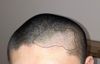
Microneedling combined with tretinoin is discussed for its effectiveness in treating hair loss. Minoxidil, finasteride, and RU58841 are also mentioned as potential treatments.
Transplanting mice skin to humans is not feasible due to immune rejection, but some suggest genetic modification or immune suppression could make it possible. Xenograft hair transplants are discouraged.
Researchers are working on regenerating hair follicles using stem cells, but a cure for baldness is still years away. Current treatments mentioned include Minoxidil, finasteride, and RU58841.
The user is treating hair loss with topical Minoxidil, Finasteride, RU58841, microneedling, and Ketoconazole. For grey hair, they use L-Cysteine, L-Methionine, and PABA, and have noticed some re-pigmentation.
Matt-3422 shared his hair loss treatment journey, starting with great results from Minoxidil and oral Finasteride, then switching to RU58841 and topical Finasteride due to worsening hair loss. He's experiencing scalp irritation and is unsure if he should continue with his current regimen, while others suggest scalp care and alternative treatments.
Minoxidil may not be effective due to low sulfotransferase activity, and the user considers adding tretinoin to the regimen. They are unsure about the timing and combination with microneedling.
A user named "LordGeek101" shared their positive experience with hair regrowth after using 5mg of finasteride daily, 5% minoxidil twice daily, and hormone replacement therapy (HRT) for 8 months. The user is transgender (MTF) and mentioned that the larger dose of finasteride was recommended by their doctor for better chances of hair revival.
The user is experiencing diffuse hair thinning despite using finasteride and oral minoxidil, with no hairline recession or bald spots. Suggestions include checking for telogen effluvium, considering a JAK inhibitor for potential autoimmune issues, and conducting further tests to rule out other causes.
Hair loss can be treated by correcting glucose metabolism in hair follicles and using equol as a safer DHT blocker. Production of these treatments is starting soon, and a Discord channel is available for more information.
A new hair loss treatment theory beyond minoxidil and finasteride is proposed, causing mixed reactions in the community, with some members eager to explore and support it, while others call for more research and evidence.
A 21-year-old male experiencing hair loss again despite using topical minoxidil (5%) for a year, possibly due to stress-related telogen effluvium. He is advised to continue using minoxidil and consider stress-reduction strategies while consulting a doctor for further evaluation.
The user is unsure if their hair thinning is due to fungal infection/inflammation or genetic factors and is hesitant to start Minoxidil, finasteride, and RU58841. They are currently using Ketoconazole 2% and triamcinolone acetonide and are concerned about potential side effects from other medications.
HairClone aims to rejuvenate miniaturizing hair follicles through follicle banking and cell expansion, with treatments potentially available in the UK by 2022. The process involves extracting, storing, and cloning hair follicles, but full regenerative treatments will take many years to develop.
The user switched from topical to oral finasteride and minoxidil, noticing thicker and longer baby hairs, suggesting potential regrowth at the temples. Other users agree it looks like a sign of success.
HairClone plans to start hair multiplication services in 2022. Users discuss various treatments like Minoxidil, finasteride, PRP, and hair cloning, expressing both hope and skepticism about the technology and its costs.
The potential of using a specific antibody, HMI-115, as a treatment for hair loss alongside traditional treatments such as minoxidil and finasteride. The user suggests trying either a 240 mg or 30 mg dose to see if it works.
A 19-year-old experiencing diffuse thinning on the top of the head has seen some improvement with ketoconazole but is considering starting finasteride. They are seeking advice on whether to begin this treatment as they approach their 20th birthday.
The conversation discusses the effectiveness of topical Rapamycin for hair regrowth and color restoration. Specific treatments mentioned are Minoxidil, Finasteride, and RU58841.
A user struggles with male pattern baldness and a persistent tingling itch on their crown, trying various treatments like aloe vera, tea tree oil, and Nizoral without success. Another user suggests the itch might be psychosomatic, linked to worrying about hair loss.
The user is experiencing one-sided diffuse thinning and has been using finasteride and liquid minoxidil for 4-5 years with minimal results. They are considering whether to save for a hair transplant or address scalp sensitivity and irritation first.
Users discuss potential game-changing hair loss treatments in the next 10 years. Some mention KX-826, SCUBE3, and stem cells as promising options, while others express doubt due to past disappointments and lack of focused research.
The conversation is about using pyrilutamide and RU58841 as topical solutions to prevent hair loss. Pyrilutamide is considered safer but less potent than RU58841, which some users find effective despite potential side effects like heart palpitations.
A 26-year-old is experiencing hair thinning and has received conflicting diagnoses of androgenetic alopecia and telogen effluvium. They are considering treatments like dutasteride, oral and topical minoxidil, and are unsure whether to start treatment or pursue further diagnosis like a scalp biopsy.
The user has been using topical minoxidil (5%) for two years and kx826/pyrilutamide for one year, after experiencing side effects from finasteride. They report positive results from the combination of minoxidil and kx826 in combating hair loss.
Tretinoin may improve minoxidil's effectiveness for hair growth, but results vary; some users report no change or potential hair loss acceleration. Tretinoin is included in some topical hair loss treatments sold by dermatologists and online companies.
The conversation discusses why CB-03-01, a potential hair loss treatment, isn't widely discussed despite evidence of its effectiveness and safety. Some users mention other treatments like melatonin, procianidin b2, and RU58841, debating their effectiveness and safety.