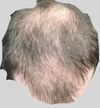
The conversation discusses hair loss treatments, specifically Minoxidil, finasteride, and RU58841. The user seeks input from medical professionals and scientists on these treatments.
The user is using topical minoxidil and finasteride with good results and is considering adding stemoxydine 5% to their regimen. Another user suggests trying it if financially feasible, as results can vary.
A user experienced rapid hair loss and successfully regrew hair using minoxidil daily and finasteride 0.5mg every other day, along with lifestyle changes. They reported significant improvement after initial setbacks and emphasized the importance of starting treatment early.
The user has been using oral finasteride and minoxidil for hair loss but is considering switching back to topical minoxidil due to persistent scalp issues. Another user suggests an anti-inflammation regimen and oral dutasteride.
The conversation is about a user switching to a more aggressive hair loss treatment, adding dutasteride 0.5mg and oral minoxidil 2.5mg to their current regimen of finasteride 0.02%, minoxidil 5%, biotin, massages, and microneedling. Users suggest increasing finasteride dosage and caution about potential side effects of oral minoxidil.
Mixing RU58841 with minoxidil compounded with tretinoin is discussed, with concerns about systemic absorption. Topical dutasteride and finasteride are also mentioned as treatments, with varying personal experiences and concerns about side effects.
The conversation discusses a hair loss treatment regimen using Alfatradiol, Pyrilutamide, and Minoxidil. The user shares their current stack of these treatments.
OP is using 0.5mg dutasteride, 5mg biotin, 5% topical minoxidil twice daily, and dermarolling 1-2 times a week for hair loss. OP reports no side effects and is happy with the progress after 5 months.
A 23-year-old discusses their hair loss treatment using finasteride, dutasteride, oral and topical minoxidil, and topical tretinoin under medical supervision. They stress stabilizing hair loss before a hair transplant and plan to continue the regimen for at least 18 months.
Treating hair loss with finasteride, minoxidil, keto diet, and microneedling; the user has seen good results but wants to focus more on their temples; another user suggested using an exfoliating comb while shampooing.
A user who had FUT surgery for 2877 grafts with Dr Jerry Wong of Hasson & Wong that resulted in low growth and an abnormally wide scar, suggesting negligence by the doctor and possibly illegal behaviour by an unqualified technician. The post sparked discussion about seeking legal action, as well as criticism of the clinic's high cost.
A 29-year-old reports positive hair recovery after 7 months using liposomal topical finasteride and minoxidil, low-level light therapy, and vitamins, following a 3600 graft DHI procedure. They experienced no side effects from the topical treatment, unlike with oral finasteride.
Mixing tretinoin with minoxidil for hair loss treatment. Some users prefer separate application or professional compounding due to potential solubility issues.
Concerns about the long-term effects of dutasteride and finasteride on fertility, with discussions on cycling these medications to mitigate risks. The conversation highlights skepticism about study methodologies and the importance of weighing treatment risks against potential fertility issues.
A topical treatment called 1961, containing multiple products, is discussed for its compatibility with finasteride. It is suggested that 1961 does not negatively affect finasteride's effectiveness and may even enhance its absorption.
A new topical treatment, TH07, combining finasteride, latanoprost, and minoxidil, is entering phase III trials with promising early results. Some users express skepticism, noting the treatment uses existing products.
The user is seeking advice on improving their hair loss treatment regimen, considering changes to their topical solution, and is curious about others' daily routines and recommendations for medications and supplements. They are contemplating switching Tretinoin for Tazarotene, Latanoprost for Bimatoprost, and possibly adding Alfatradiol, Topical Melatonin, or a topical androgen receptor antagonist.
Cialis is used to manage erectile dysfunction caused by finasteride and dutasteride, with mixed results. Some users report improvement, while others consider stopping the medication due to side effects.
The user is exploring hair loss treatments in China, currently using finasteride and minoxidil, and is concerned about seborrheic dermatitis. Clinics are recommending selenium sulfide, doxycycline, and mesotherapy ampoules like PT88/PT66 or SP88/SP66, but the user is unsure about their effectiveness.
A user seeks advice on treatments for his mother's hair loss, considering Minoxidil, Finasteride, and shampoos. The mother is being monitored for breast cancer, which may be relevant.
A user's progress with hair loss treatments including minoxidil 5% twice daily, dermaroller 1.5mm, ketoconazole shampoo 2%, and a buzz cut; other users were surprised by the results as no finasteride was included in the treatment plan.
A user's progress with treating hair loss by using finasteride (1mg MWF) and minoxidil (5% once daily), occasionally using ketoconazole gel, and dermarolling 1.5mm every two weeks; other users' responses are positive and ask for more information about the treatment regimen.
The conversation discusses a clinical trial for Setipiprant in the US, starting June 29th, with eligibility excluding recent users of minoxidil or finasteride. It encourages informed decision-making before signing up.