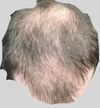
A Phase 1 update for the HMI 115 clinical trial, which involves 16 participants and is expected to end in July 2023; as well as changes to the recruitment process, including treatment protocols with Minoxidil, Finasteride, and RU58841.
The conversation discusses the pros and cons of buying a mixed topical bottle of minoxidil and finasteride versus separate products for hair loss treatment. Concerns are raised about the finasteride dosage and the inclusion of tretinoin in one of the products.
Combining minoxidil with tretinoin may help those who don't respond to minoxidil alone. Some users report better results with this combination, along with oral minoxidil and finasteride.
A 26-year-old is considering switching from a finasteride and minoxidil blend to using dutasteride and minoxidil separately, with concerns about shedding and dosage changes. They are exploring options for sourcing and considering using ketoconazole shampoo to manage dryness.
The conversation discusses a transgender individual's successful hair loss treatment over 1.5 years using 2.5mg oral minoxidil, 5mg finasteride, and 8mg weekly injectable estradiol valerate. Some users debate the appropriateness of this approach within the group's goals, while others support the individualized treatment and its additional benefits for transgender individuals.
The user is using topical minoxidil and finasteride with good results and is considering adding stemoxydine 5% to their regimen. Another user suggests trying it if financially feasible, as results can vary.
The conversation discusses a medical service that provides prescriptions for a compounded hair loss treatment containing high concentrations of Minoxidil, Finasteride, and other ingredients. The user is seeking feedback on the service and inquiring about the cost and uniqueness of the compound cream.
The user has been using oral finasteride and minoxidil for hair loss but is considering switching back to topical minoxidil due to persistent scalp issues. Another user suggests an anti-inflammation regimen and oral dutasteride.
The user believes that combining alfatrodial and fluridil with minoxidil effectively maintains hair, based on their 7-year experience. They suggest this combination for those who can't tolerate finasteride.
The user is considering adding liposomal dutasteride to their hair loss treatment, which currently includes topical finasteride and minoxidil. They are exploring different concentrations and application frequencies to enhance hair retention and are also planning to continue using Rogaine.
The user is using a regimen of 1mg Dutasteride daily, topical finasteride and minoxidil, multivitamins, and supplements to address hair loss but hasn't seen improvement. Suggestions include sticking to one medication, considering oral minoxidil, and possibly a hair transplant, while noting that some treatments may not regrow hair.
Many are unaware of effective male pattern baldness treatments like finasteride and minoxidil, often opting for ineffective remedies. Educating others on proven treatments and potential side effects is crucial.
The user is considering switching from finasteride to daily dutasteride and adding oral minoxidil to their current regimen of topical minoxidil, tretinoin, and microneedling due to a lack of progress in hair regrowth. They are seeking advice on whether this change could make a difference.
Emerging hair loss treatments like PP405, a topical MPC inhibitor, show promise in activating stem cells for hair growth. The conversation seeks information on the development stages and accessibility of these treatments.
The user is dissatisfied with the results of using 0.3% finasteride and 6% minoxidil for hair thinning and is considering a topical treatment combining finasteride, dutasteride, minoxidil, melatonin, caffeine, and latanoprost. Another user suggests that high topical concentrations can lead to systemic exposure and recommends using oral dutasteride and microdosing topical finasteride.
Taking a slow and steady approach to treating hair loss, as well as the potential risks of combining too many treatments. The post suggests trialling individual treatments (such as Minoxidil, finasteride, or RU58841) for an extended period before adding more into your treatment protocol.
The user was diagnosed with DUPA and initially treated with finasteride, then switched to dutasteride which worsened their hair loss. They are now returning to finasteride and adding treatments including oral minoxidil, Proscar, Viviscal, pumpkin seed oil, LLLT, and Nizoral shampoo, hoping for hair regrowth.
Consider increasing dutasteride dosage to 2.5mg daily and continue using oral minoxidil. Check DHT levels, thyroid, vitamin D, and consider additional treatments like microneedling, RU58841, and improving diet and lifestyle.
The user experienced hair improvement using a topical finasteride, minoxidil, and tretinoin combo, along with supplements like zinc, copper, magnesium, vitamin D3, K2, iodine, and boron. They believe these changes are due to addressing mineral deficiencies and possibly thyroid issues, despite skepticism from others.
The conversation discusses using both oral and topical finasteride, along with minoxidil, for hair loss treatment. The user reports progress with finasteride and considers switching to dutasteride for potentially better results.
Dermatologists use treatments like oral minoxidil, finasteride, and RU58841 for male-pattern baldness, considering side effects and patient preferences. Photobiomodulation is noted as mildly effective but costly, while PRP is debated for its effectiveness compared to microneedling.
The conversation is about a hair loss treatment regimen that includes finasteride, dutasteride, oral minoxidil, Dermapen, quercetin, N-acetyl L-cysteine, biotin, millet seed extract, MSM, OPC, green tea extract, high-dose vitamins B1-B12, boron, and silica. The user is seeking advice on additional treatments.
A 27-year-old Asian male is treating hair loss with 1mg oral finasteride, topical minoxidil twice daily, and 1.5mm microneedling weekly. The discussion is about his progress with these treatments.
The user has been using oral Minoxidil, Finasteride, and Biotin for hair recovery and is considering adding topical Minoxidil and dermastamping to improve results. It is suggested to use micro-needling once a week with a 24-hour gap before applying topical Minoxidil.
The conversation is about whether it's safe to use minoxidil with a mix of stemoxydine, RU58841, alfatradiol, and tretinoin at the same time for hair loss treatment. Concerns were raised about the absorption and effectiveness when these treatments are applied together.
Finasteride is used for hair stabilization, while minoxidil is avoided due to side effects. Styling tips include using hair fibers, washing hair less frequently, and managing anxiety related to appearance.
Dermatologists have differing opinions on hair loss treatments, with some using topical dutasteride, oral minoxidil, exosome therapy, PRP, and various other therapies. The user plans to use a topical solution of dutasteride, minoxidil, tretinoin, PRP, and LLLT.
User asks about using eucapil/fluridil with Minoxidil and how to space out application to avoid ineffectiveness. Also inquires about microneedling timing.