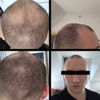
Hair loss and potential treatments, primarily focusing on Finasteride and Minoxidil. Other solutions discussed include PRP, dermarolling, LLP, and scalp tension relief.
The user is experiencing hair loss and has been using RU58841 but is considering pyrilutamide and minoxidil, avoiding finasteride due to side effects. Another user suggests finasteride or dutasteride as essential, possibly in topical form, while dismissing saw palmetto as ineffective.
The user began experiencing hair loss a few years ago at age 22 and is a diffuse thinner with a Norwood scale rating of 2. They have a naturally athletic build and gain muscle easily, with a hairy chest and stomach.
A 15-year-old is experiencing uneven hair loss, with one temple receding significantly. They are considering using finasteride, minoxidil, or dutasteride to slow hair loss before visiting a dermatologist, and may consider a hair transplant in the future.
A 25-year-old woman has been losing hair for 10 years despite normal thyroid, hormone levels, and B12 supplementation. She has used Minoxidil with limited success and is considering hair transplants, Propecia, or shaving her head and wearing wigs.
The user is using oral minoxidil, ghk-cu, and HGH for hair regrowth, noticing small vellus hairs on the crown. They avoid traditional DHT blockers like finasteride due to side effects, despite skepticism from others about the effectiveness of ghk-cu.
Hair loss treatment with latanoprost, minoxidil, and biotin showed progress. Latanoprost, a glaucoma drug, stimulates anagen phase and increases conversion of vellus hair to terminal hair.
The user is concerned about hair loss and is considering treatments like finasteride and minoxidil but is unsure about their effectiveness and side effects. They have experienced mixed reactions to shaving their head and are struggling with confidence due to balding.
A woman who is experiencing Female Pattern Baldness and struggling to cope with it; she has tried a few treatments but is not satisfied with the results and feels like her femininity has been taken away from her. The conversation includes advice on possible treatments such as Minoxidil, Finasteride, RU58841, and lifestyle changes.
Hair fibers impressively cover bald spots, boosting confidence. User started big 3 treatment (0.5mg fin, 1 time minoxidil 5% topical, ketoconazole 2%) for regrowth.
A woman with AGA and CTE has been taking multiple hair loss treatments including spironolactone, dutasteride, finasteride, bicalutamide, birth control, and minoxidil without success. Steroid injections, however, dramatically and immediately stopped her hair loss, though the effect lasts less than a month.
The user has been using finasteride and minoxidil for hair loss but is experiencing thinning at the crown and is considering a hair transplant. They are seeking advice on other treatments to try before proceeding with a transplant and how to find a reputable doctor.
The user has been using finasteride and minoxidil, then switched to dutasteride and minoxidil for six months without significant results, noticing thinning after increasing creatine dosage. They plan to consult a dermatologist to explore potential causes beyond androgenetic alopecia.
A man struggled with hair loss from age 18, tried various methods without success, and finally sought medical help at 23. He was prescribed oral finasteride, topical minoxidil, and Nizoral shampoo, which after two years of consistent use, significantly improved his hair condition.
The user is experiencing diffuse hair thinning despite using dutasteride and minoxidil for over five years and is considering adding oral minoxidil, microneedling, and nizoral to their regimen. They are concerned about the effectiveness and side effects of these treatments, especially with an upcoming event.
The conversation discusses treatments for androgenetic alopecia, focusing on evidence-based supplements to complement finasteride. Suggestions include oral minoxidil, saw palmetto, pumpkin seed oil, tocotrienols, and various other supplements, while emphasizing the importance of scientific backing and cautioning against saw palmetto if already using finasteride.
A 21-year-old was diagnosed with early-stage androgenetic alopecia and prescribed only minoxidil 5% and ketoconazole shampoo by a dermatologist, who advised against finasteride for now. The user is skeptical about starting minoxidil due to concerns about increased hair loss.
A user is experiencing significant hair loss and scalp issues despite using Minoxidil, finasteride, and RU58841 since 2017. They switched to oral Minoxidil and are now on isotretinoin and topical corticosteroids for seborrheic dermatitis but continue to lose hair and seek advice on whether inflammation or treatment changes are the cause.
A 31-year-old man using finasteride for a year is considering adding oral minoxidil or switching to topical minoxidil to address diffuse thinning, while also using a scalp massager and ketoconazole shampoo. Concerns include cardiovascular side effects, pet safety with topical minoxidil, and cost of telehealth services.
A clean diet, including cutting sugar, gluten, and dairy, improved hair health and reduced shedding for a user on oral minoxidil and finasteride, but reverting to an old diet worsened hair condition. While diet impacts hair health, genetic factors and treatments like topical ketoconazole and hydrocortisone are also important for managing hair loss.
A 28-year-old male experiencing diffuse thinning and miniaturization around the ears and back has tried finasteride, dutasteride, and both topical and oral minoxidil without success. He is seeking advice on identifying the type of hair loss and next steps since current treatments are ineffective.
Balding is challenging, and relying on medications like finasteride is often seen as a better option than constantly shaving or trying to compensate in other areas. Many feel that societal expectations to "own it" or drastically change oneself to cope with baldness are unrealistic and burdensome.
The user is experiencing significant hair regrowth using 1mg finasteride, 5mg minoxidil, and biotin since April, and may not need a hair transplant. Another user suggests that if a transplant is desired, around 4,000 grafts could provide good coverage.
The user has been experiencing worsening hair loss despite using finasteride, minoxidil, and later switching to dutasteride. Despite normal bloodwork and consulting dermatologists, the hair loss continues without improvement.
A 28-year-old male shares his hair loss journey, starting with a hair transplant in February 2024 and using finasteride, later switching to dutasteride in January 2025. He has not used minoxidil and is satisfied with the results, despite some side effects like temporary nipple pain and a spike in libido.
High DHEA levels may contribute to hair loss by increasing DHT in hair follicles, potentially explaining why finasteride is ineffective for some. Treatments like high-dose dutasteride and RU58841 are suggested, but the underlying cause, such as adrenal issues, should be investigated.
The user is experiencing hair loss despite using estradiol, bicalutamide, dutasteride, and topical minoxidil. They stopped minoxidil temporarily, which worsened their condition, and are considering oral minoxidil but are concerned about side effects and cost.