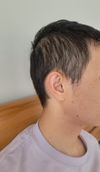
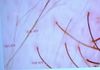
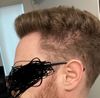
The user is experiencing excessive hair thinning and is unsure of the cause. They are seeking opinions on treatments like Minoxidil, finasteride, and RU58841.
A 20-year-old is experiencing hair loss and is using finasteride, ketoconazole, and topical minoxidil. They suspect retrograde alopecia due to hair loss on the sides and nape, despite noticing some hair thickening on top.
The user is experiencing hair loss and confusion over conflicting medical advice, with treatments including minoxidil, finasteride, and topical corticosteroids. They are unsure about the necessity of a biopsy and the timing of using minoxidil, while also considering the impact of potential androgenetic alopecia and telogen effluvium.
A 27-year-old Asian male is treating hair loss with 1mg oral finasteride, topical minoxidil twice daily, and 1.5mm microneedling weekly. The discussion is about his progress with these treatments.
Evidence-based treatments for androgenic alopecia, such as minoxidil, finasteride, low-level laser light therapy, dutasteride, platelet-rich plasma, and topical ketoconazole. It discusses the efficacy, safety, and mechanism of action of these treatments, as well as future developments in understanding this polygenic condition.
The user suspects scarring alopecia and is exploring NSAIDs and turmeric/pepper for inflammation-related hair loss, having experienced burning and thinning with finasteride and testosterone reduction. They are seeking feedback while unable to afford a dermatologist.
The conversation discusses severe hair shedding and thinning, with the original poster using finasteride, oral minoxidil, and other supplements without improvement. The discussion highlights the possibility of telogen effluvium and the importance of addressing potential underlying health issues, such as stress and gut health, rather than assuming diffuse unpatterned alopecia (DUPA).
A user with alopecia totalis, borderline universalis, seeks advice on getting into a Xeljanz trial or appealing insurance for coverage. They experienced significant hair regrowth but are now seeing hair loss again and want to try Xeljanz.
The user switched from oral to topical finasteride with minoxidil after a hair transplant and is experiencing increased hair growth in unexpected areas like eyebrows and sideburns. They are seeking feedback from others with similar experiences.
Diffuse thinning is often due to androgenetic alopecia, and DHT blockers like finasteride are recommended. Treatments mentioned include minoxidil, finasteride, dutasteride, and RU58841, with emphasis on starting early and using a holistic approach.
A 31-year-old man who previously had good results with minoxidil, finasteride, and nizoral for hair loss is now experiencing unusual hair loss and side effects from finasteride. Respondents suggest it might be severe retrograde alopecia and recommend exploring other treatment options due to his inability to tolerate finasteride.
The user is experiencing asymmetrical hair loss at the frontal hairline and is concerned about potential conditions like frontal fibrosing alopecia. They have started using finasteride and pumpkin seed oil to address the issue.
The conversation discusses a new model for understanding androgenetic alopecia (AGA), linking it to dietary and lifestyle factors similar to PCOS, and highlighting the role of DHT, vascular damage, and inflammation. Treatments mentioned include Minoxidil, finasteride, and RU58841.
A user is experiencing accelerated hair loss and is struggling to maintain their mohawk. They are seeking alternatives to Minoxidil and Finasteride, considering a hair transplant, and looking for a doctor in Berlin who can prescribe Finasteride.
The conversation discusses struggles with diffuse thinning and hair loss treatments, including the use of dutasteride, minoxidil, and finasteride, with limited success. The original poster regrets having a hair transplant at 21 due to weak donor hair and ongoing thinning.
A 21-year-old with accelerated hair loss due to stress and weight loss is using minoxidil, finasteride, and microneedling to combat balding, despite experiencing a significant initial hair shed. They are committed to continuing treatment for at least three months and are considering switching to topical finasteride if necessary.
The user is exploring alternatives to hair transplants due to a weak donor area and is currently using finasteride, minoxidil, dermapen, low-level laser therapy, Nizoral shampoo, and a high-protein diet. They plan to switch to dutasteride and consider adding RU58841, while rejecting hair systems and considering a buzz cut.
The user experienced stable hairline but diffuse thinning after switching from oral finasteride to a topical solution of minoxidil and finasteride. They are concerned about the effectiveness of the topical treatment and are considering other options due to a recent decline in hair density.
A 22-year-old male has been experiencing widespread hair loss for over four years, including pain and significant shedding. Treatments tried include ketoconazole shampoo, fluocinonide topical solution, biotin, ACV, and dry shampoo, but none have been effective.
The user is experiencing hairline thinning despite using finasteride, minoxidil (solution and foam), dermastamping, and tretinoin. They suspect minoxidil or tretinoin might be causing the issue but are unsure.
The post and conversation discuss the unpredictable nature of diffuse thinning, a type of hair loss. Users share personal experiences, with some mentioning treatments like oral finasteride and toppik, and the need for patience with these treatments.
The user is experiencing significant hair thinning on the front scalp while taking oral finasteride and minoxidil. They are unsure if it's androgenetic alopecia or related to seborrheic dermatitis.
The user is experiencing diffuse shedding but also hairline regrowth after starting finasteride, switching to dutasteride, and using oral minoxidil, ketoconazole shampoo, and RU58841. Other users advise patience, suggesting that the treatments need more time to show results and caution against using too many medications simultaneously.
The individual is experiencing hair thinning primarily at the front/middle of their scalp and is seeking to identify the type of hair loss they have. They already use treatments like oral Minoxidil, topical Finasteride, Tretinoin gel, dermarolling, and various oils and shampoos.
Hair fibers impressively cover bald spots, boosting confidence. User started big 3 treatment (0.5mg fin, 1 time minoxidil 5% topical, ketoconazole 2%) for regrowth.
A 31-year-old man with androgenic alopecia is considering treatments like finasteride, minoxidil, and ketoconazole shampoo but is worried about finasteride's side effects. Users recommend starting with finasteride or dutasteride for DHT blocking, suggesting topical solutions to reduce side effects.
The conversation discusses a hair loss treatment involving a hair transplant of approximately 2500 grafts to the frontal area, daily use of finasteride, twice-daily topical minoxidil, and daily caffeine shampoo since the hair transplant procedure. One person is skeptical about the improvement in the crown area with just finasteride and minoxidil.
A 27-year-old male with diffuse hair loss, including the donor area, did not respond to finasteride, dutasteride, or minoxidil. He suspects his hair loss may be linked to a mild connective tissue disorder, possibly affecting the structural support of hair follicles, rather than being purely hormonal.
The conversation is about a person experiencing treatment-resistant androgenic alopecia despite using high doses of dutasteride and minoxidil, along with other treatments like microneedling and purilutamide. Suggestions include considering a hair transplant, checking medication authenticity, and exploring other treatments like RU58841 or topical estradiol.