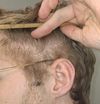
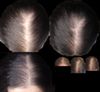
The conversation is about using micro needling and PTD-DBM for hair loss treatment. The user applies PTD-DBM drops on weekdays and performs micro needling weekly.
Minoxidil, finasteride, and RU58841 are discussed as treatments for hair loss, with excitement around a new drug, PP405, and a reformulated oral minoxidil in trials. Concerns about cost, side effects, and long-term use are also mentioned.
The user has been on finasteride and minoxidil since 2020 and increased dutasteride and minoxidil doses in June 2024, but still experiences hair loss. Despite trying pyrilutamide without success, opinions vary on whether the hair loss is significant, with some suggesting it might be due to lighting, angles, or a regular shedding cycle.
The user had a hair transplant in May 2020 with 2000 grafts and has been using minoxidil and finasteride for maintenance. They are considering a second hair transplant for the crown area but are currently holding off.
The conversation discusses using USB microscopes for scalp photos and provides a link to an overview of trichoscopy. Treatments mentioned include Minoxidil, finasteride, and RU58841.
The user is experiencing side effects from fluridil after switching from finasteride due to severe side effects. They are uncertain whether to continue with fluridil, considering it might be their body adjusting, a nocebo effect, or a permanent issue.
The user experienced significant hair regrowth using 1mg finasteride every other day, 5% minoxidil twice daily, and ketoconazole shampoo. The progress was noted as impressive, with some users questioning the authenticity of the results.
After 8 months of using topical finasteride, hair miniaturization continues, raising concerns about its effectiveness. Microneedling is suggested as a possible complementary treatment.
A 36-year-old had a hair transplant with 6,500 grafts 7 months ago, took 1.25mg of finasteride every other day for 5 months, and recently switched to 1mg daily along with 5% minoxidil spray. They are considering a touch-up transplant and are seeking advice on their progress and future expectations.
A Phase 1 update for the HMI 115 clinical trial, which involves 16 participants and is expected to end in July 2023; as well as changes to the recruitment process, including treatment protocols with Minoxidil, Finasteride, and RU58841.
The user switched from oral to topical finasteride with minoxidil after a hair transplant and is experiencing increased hair growth in unexpected areas like eyebrows and sideburns. They are seeking feedback from others with similar experiences.
A 28-year-old male experiencing diffuse thinning and miniaturization around the ears and back has tried finasteride, dutasteride, and both topical and oral minoxidil without success. He is seeking advice on identifying the type of hair loss and next steps since current treatments are ineffective.
Combining Minoxidil with Finasteride or RU58841 may cause interference, irritation, or reduced absorption. It might be better to apply one topical at a time and wait an hour before applying another.
The conversation is about long-term finasteride use for hair loss, with users discussing periods of improvement and worsening, and considering switching to dutasteride. Other treatments mentioned include minoxidil, red light therapy, microneedling, and scalp massaging.
A monoclonal antibody clinical trial for potential hair loss treatments in Victoria, Australia and the discussion of their efficacy. People shared information about similar drugs already on the market, speculated about potential side effects, and discussed how to spread the word about the trial.
A 22-year-old with high estradiol levels is considering starting finasteride for hair loss. They have an upcoming endocrinologist appointment to discuss whether they should proceed with the treatment.
A user shared their experience with Finasteride for hair loss, noting improvement but still some thinning. They plan to get a hair transplant to address remaining thin spots and strengthen their hairline.
The post is an update on the user's hair loss journey. They have a strong hair follicle that has remained unaffected by hair loss for almost 3 years. The user is starting finasteride and using ketoconazole, alfatradiol, and oral castor oil for hair maintenance.
The user has been using finasteride and minoxidil for hair loss but experienced worsening temple recession. They suspect they might be more sensitive to testosterone and are considering trying RU58841 or CB 03 01 as additional treatments.
A topical treatment called 1961, containing multiple products, is discussed for its compatibility with finasteride. It is suggested that 1961 does not negatively affect finasteride's effectiveness and may even enhance its absorption.
The user is using topical minoxidil and finasteride with good results and is considering adding stemoxydine 5% to their regimen. Another user suggests trying it if financially feasible, as results can vary.
A 25-year-old male experienced significant hair loss due to telogen effluvium and androgenetic alopecia. He began using finasteride, minoxidil, and vitamins, seeing some regrowth but remains worried about hair density.
The user experienced headaches and brain fog with a topical solution containing Dutasteride, Minoxidil, Tretinoin, Fluocinolone, Latanoprost, and Caffeine. They are considering switching to oral or topical Finasteride to see if it alleviates these side effects.
User has been using minoxidil for 5 years and recently started finasteride, 2% nizoral shampoo, low light level laser helmet, microneedling, and biotin supplement to prepare for a hair transplant. Another user suggests it's not too much and mentions additional treatments like dutasteride, oral min, RU, and pyrilutamide.
A 25-year-old male with seborrheic dermatitis and hair thinning seeks advice on the severity of his condition and treatment options. Oral finasteride and oral minoxidil are recommended as the most effective long-term treatments.
The conversation is about a user's one-year hair loss treatment using dutasteride, oral and topical minoxidil, ketoconazole, tretinoin, and PRP. Users discuss treatment effectiveness, potential issues with diffuse thinning, and sourcing affordable treatments.
The user experienced significant hair regrowth after 5 months using finasteride, dutasteride, and oral minoxidil, despite initial side effects like erectile dysfunction, which resolved after switching from finasteride to dutasteride. The user reports full recovery of hair density and improved skin condition, though the right temple remains slightly recessed.
The conversation is about people with advanced hair loss (Norwood 6 or 7) who have seen significant hair regrowth using treatments like finasteride, minoxidil, microneedling, and RU58841. Nine cases were collected to motivate others to try these treatments despite advanced hair loss.
The conversation discusses hair loss treatments, focusing on the use of finasteride and minoxidil. It suggests starting with finasteride alone to assess its effectiveness before adding other treatments like minoxidil, while noting that biotin and caffeine shampoo are unlikely to help unless there's a deficiency.
A user is considering using compounded Minoxidil with Tretinoin from Medical Wellness Center to improve hair growth. They are also curious about the effects of higher Minoxidil doses and adding Tretinoin to their regimen.