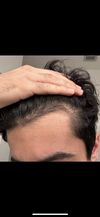
The user plans to use 1% Koshine826, 0.1% Alfatradiol, Minoxidil with Tretinoin, microneedling, and Stemoxydine for hair loss treatment. They expect significant recovery with this regimen.
Significant hair improvement was reported after 18 months of using 1mg dutasteride and 2.5-5mg oral minoxidil daily for diffuse unpatterned alopecia. The discussion includes praise, skepticism about authenticity, and concerns about side effects.
The user is considering using minoxidil, finasteride, and microneedling for hair regrowth and is concerned about maintaining progress if they stop microneedling. They are also contemplating switching from topical to oral minoxidil for convenience.
The user is experiencing diffuse thinning despite using oral minoxidil (3mg), dutasteride (0.5mg), microneedling, scalp massaging, and vitamins. Suggestions include increasing the minoxidil dose, checking for scalp conditions, and continuing current treatments.
The conversation is about a person experiencing significant hair loss in the donor area after a hair transplant, with others suggesting it might be shock loss. The person is taking oral minoxidil and dutasteride to help with the issue.
A user shared their progress after using a topical treatment combining 5% Minoxidil and 0.1% Finasteride for two months to address hair loss at the temples. They apply 5ml nightly without side effects and plan to switch to a different brand soon.
The user is experiencing a strange hair loss pattern despite using dutasteride for 3 years and minoxidil with tretinoin for 1.5 years. They recently added microneedling and are considering a scalp biopsy to understand the cause.
The user is using 0.1% dutasteride, 1% minoxidil with 2% procapil and 0.005% caffeine in the morning, and 1% minoxidil with 2% procapil and 0.01% tretinoin at night. They are concerned about the solution vehicle's effectiveness in preventing systemic absorption and ensuring the products stay around the hair follicles.
A 24-year-old male is using topical finasteride 0.1% with minoxidil 5% and oral finasteride 1 mg to treat hair loss but is experiencing scalp flaking from the topical solution. He is considering switching to a minoxidil foam without propylene glycol and continuing oral finasteride due to its effectiveness.
The user is using finasteride, topical minoxidil, derma rolling, ketoconazole shampoo, and multivitamins for hair regrowth. They also drink topical minoxidil due to the unavailability of oral minoxidil, despite concerns from others about safety.
The post discusses a user's 6-month progress using topical finasteride (0.08%) and minoxidil (5%) once a day, combined with scalp micropigmentation (SMP). The user hopes for improved hair growth as they let their hair grow out.
A 21-year-old is using a topical solution with minoxidil and finasteride for hair loss, along with supplements and specific shampoos, and is considering switching to oral treatments if no progress is seen in a few months. They are concerned about diffuse thinning and potential future hair transplants, and are exploring additional treatments like microneedling and tretinoin.
Comparing two upcoming topical hair loss treatments, Fluridil and Breezula, to determine which is most effective for treating hair loss, taking into consideration factors such as price, side effects, potential for hair growth, convenience of application, smell, greasiness, and styling after use.
The user has been using finasteride, ketoconazole shampoo, oral minoxidil, and minoxidil foam for hair loss but feels their hair is not as thick as desired. They have stopped using RU58841 due to lack of results and are concerned about hair miniaturization despite these treatments.
The user asks about the order and compatibility of using topical minoxidil, stemoxydine, The Ordinary natural moisturizing factors + HA for scalp, RU58841, and Nioxin system 2 leave-in treatment. They seek advice on layering these hair loss treatments.
The user has been experiencing diffuse hair thinning despite using finasteride, minoxidil, dermarolling, clobetasol cream, and PRP sessions. They seek advice on additional treatments and are advised to check vitamin D, iron, and thyroid levels.
The user is dissatisfied with the results of using 0.3% finasteride and 6% minoxidil for hair thinning and is considering a topical treatment combining finasteride, dutasteride, minoxidil, melatonin, caffeine, and latanoprost. Another user suggests that high topical concentrations can lead to systemic exposure and recommends using oral dutasteride and microdosing topical finasteride.
The user experienced hairline recession despite using topical finasteride/minoxidil and is considering whether misapplication was the cause. They are exploring options after experiencing side effects from oral finasteride, including possibly returning to the topical formulation with adjusted application methods.
A 36-year-old Latino man has seen progress in hair loss treatment over 4 months using consistent finasteride, topical/oral minoxidil, ketoconazole shampoo, and microneedling. He initially experienced dizziness from oral minoxidil but is hoping for increased hair density in the coming months.
The conversation discusses the less impressive results of Pyrilutamide (kx-836) in phase 3 compared to phase 2, with a suggestion that a longer study might show more significant results. One user reports personal success with Pyrilutamide, experiencing no further hair loss and gradual regrowth.
The user documented eight weeks of progress using 5% topical minoxidil, 1 mg oral finasteride, and weekly microneedling. They reported diffuse fill-in and new baby hairs, with plans to taper off topical minoxidil.
A 37-year-old man treated his hair loss with 0.5mg finasteride every other day and 5% minoxidil twice daily for 5 months, reducing finasteride from 1mg due to side effects. His hair improved significantly, with positive changes visible from all angles, and he experienced no more side effects after the dosage adjustment.
The user switched from Forhims to Numan topical treatment for hair loss, which includes finasteride, minoxidil, and azelaic acid, and is questioning the effectiveness of azelaic acid in the formula. They also mentioned that Numan has a higher concentration of minoxidil compared to their previous product.
A user is seeking recommendations for a minoxidil and tretinoin topical solution, including dosage and purchase locations in the US. They are looking for effective hair loss treatments.
A 25-year-old is experiencing hair thinning despite using 0.5mg oral dutasteride, 0.3% topical finasteride, and 6% topical minoxidil daily for a year. They are considering increasing dutasteride dosage and exploring other treatments like microneedling and KX 826, while seeking further medical opinions on their condition.
The user experienced no improvement in hair loss with finasteride and minoxidil but had side effects. They plan to add wounding, scalp massage, vitamin K, and taurine supplements to their regimen and seek feedback on these additions.
A 28-year-old underwent three hair transplants totaling 11,102 grafts at Eugenix, using finasteride and minoxidil to manage advanced hair loss. Despite limited density, the results are satisfactory, allowing the individual to feel presentable without a hat.
The conversation discusses using both oral and topical forms of finasteride and minoxidil for hair loss. Concerns about potential overkill and side effects are raised, but no side effects are reported from using oral finasteride and topical minoxidil.
The conversation is about managing scalp irritation caused by minoxidil use. Suggestions include switching to foam, using fluocinonide topical solution, trying lipogaine for sensitive skin, and considering low-dose oral minoxidil.
OP uses 1mg finasteride, 2.5mg minoxidil, and 10mg biotin daily, along with a biotin, caffeine, and saw palmetto shampoo. OP noticed results after 5 months, with occasional heart palpitations from minoxidil.