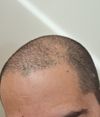
The conversation is about hair regrowth or miniaturization after two months of using minoxidil and spironolactone. Specific treatments mentioned are minoxidil and spironolactone.
A user underwent a second hair transplant for increased density and to address hair loss in the crown area, with 3,800 grafts at a cost of 2,200 euros at Estepalace, including additional services. Some commenters discussed the appearance of the hairline and the importance of using DHT blockers like finasteride or dutasteride post-transplant.
A user who underwent a hair restoration procedure with 3,478 grafts by Jason Sorgi in Massachusetts, costing $8,500. The user is also using finasteride and minoxidil post-procedure, and is very satisfied with the natural-looking and dense results.
A recent discovery in hair cloning identified a previously unknown cell type essential for hair follicle growth, which could potentially make lab-grown hair viable if translated to humans. However, skepticism remains due to past delays and the challenges of replicating results in humans and making the process affordable.
A user achieved significant hair regrowth from Norwood 3 to a dense Norwood 2 after five months using oral dutasteride, oral minoxidil, and a topical solution with minoxidil, retinoic acid, and hydrocortisone. The user reported no side effects and found the topical treatment especially effective for the hairline.
A user shared their 16-month progress using a minoxidil and finasteride spray combo, showing significant hair regrowth. The discussion includes praise for the results, questions about treatment specifics, and debates on the effectiveness of topical versus oral finasteride.
User regrew lost hair using microneedling, minoxidil, finasteride, Nizoral, fish oil, and collagen peptide. Progress was slow but constant, and patience was important.
A user shared their 3.5-month progress using oral finasteride, topical minoxidil, biotin, and weekly 1.5mm derma rolling. Another user commented that the original poster's hairline has improved significantly.
Ibrox1972 shared an 8.5-month update on their 2,689-graft hair transplant by Dr. Raghu Reddy in London, along with using oral finasteride, oral minoxidil, and microneedling. Users praised the natural-looking results and discussed the importance of choosing a skilled doctor.
A user shaved their transplanted hair during quarantine and shared positive results after one year, using Minoxidil 5%. They had 1,500 hairs transplanted via the DHI method with no visible scarring.
A 43-year-old with a history of hair transplants and long-term finasteride use reports seeing hair regrowth after adding oral minoxidil, micro-needling, and resuming topical minoxidil. Users agree that the hair appears thicker and denser.
A user shared a 12-month update on their hair transplant, which involved 5700 DHI grafts and cost £4500 at Cosmedica. They also dyed their hair and beard, and users praised the impressive results, suggesting finasteride or dutasteride to prevent further hair loss.
A user shared their experience with a Long Hair DHI Hair Transplant, receiving 2,750 grafts. They plan to continue using Dutasteride and Topical Minoxidil post-surgery.
The conversation is about hair regrowth progress using a combination of treatments: dutasteride, minoxidil, RU58841, ketoconazole, and monthly microneedling. The user reports that microneedling and topical minoxidil had the most impact on their hairline.
The user is considering a hair transplant to increase hair density after using finasteride and minoxidil for two years. They prefer a natural hairline and are unsure if a transplant is suitable for overall thinning.
The user has been using finasteride for two years without results and recently started a new routine involving derma stamping, retinol, and minoxidil, which seems to show progress. The user microneedles about half the week and uses L’Oréal night serum for retinol.
Scientists have grown natural-looking hair from stem cells, potentially revolutionizing hair growth treatments. Concerns include cost, DHT resistance, and the need for future procedures.
The user is pleased with their hair transplant results but is concerned about the vertex area. They use Minoxidil and finasteride daily and had the procedure at a clinic in Athens.
The conversation is about a user's hair loss treatment regimen, which includes Dutasteride, oral Minoxidil, topical Dutasteride, Minoxidil sulfate, antioxidants, and various supplements. The user is also using a derma stamp and has paused Tretinoin due to a TCA peel recovery.
A bodybuilder's hair transplant appears unnatural with a straight hairline and low density, possibly worsened by not using finasteride. The Turkish clinic is criticized for poor design, and the transplant may have been free for promotion.
A user shared their hair transformation over four months using daily 2.5mg oral minoxidil, every other day 1mg oral finasteride, weekly dermastamping, and daily scalp massages, with plans for a hair transplant. Another user suggested continuing the medication for a year before considering a transplant.
A user shared their 12-month progress after a 3500-graft hair transplant at Heva Clinic in Istanbul, choosing not to use minoxidil or finasteride. The results were praised, with comments noting the natural look and significant improvement.
With a head full of hair, like a phoenix!
This user has experienced positive results from using topical minoxidil and oral finasteride for 12 months, followed by 5 months of only topical use, as well as microneedling before application for 4 months. They are now considering a hair transplant in order to further enhance their results.
A potential non-invasive topical treatment targeting the WNT Signaling Pathway for hair regeneration is being researched, with positive results on human hair follicle cells. Current effective treatments for hair loss include Minoxidil, finasteride, and hair transplantation.
A 46-year-old man is using minoxidil, finasteride, and derma rolling for hair regrowth but is unsure of the results and considering a hair transplant. Many suggest he looks good bald and recommend continuing treatment or trying scalp micropigmentation.
Minoxidil, finasteride, dutasteride, and microneedling are commonly used for temple regrowth, with varying results and timelines. Consistency and patience are emphasized, with some users seeing progress after several years.
The user has experienced hair regrowth using finasteride, minoxidil, dermarolling, and nizoral shampoo, but is considering a hair transplant due to advanced hair loss. Others suggest checking the donor area and considering a reputable surgeon for a potential transplant.
A user shared their positive experience with a hair transplant journey over 10 years, involving 3000+ grafts and regular use of minoxidil and finasteride. Other users commented on the hairstyle and suggested alternative treatments like SMP or hairpieces.
A 28-year-old used oral finasteride and minoxidil, and underwent two hair transplants in Turkey, with a total of 3150 grafts, resulting in a natural-looking hairline. The first procedure cost £3300, and the second was a free touch-up, with additional costs for flights and accommodation.