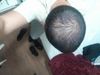
Concerns about using topical minoxidil with tretinoin around toddlers due to potential exposure. Some suggest using oral minoxidil instead to avoid risks.
The user did not respond to minoxidil and is considering using tretinoin to improve results. They also explored finasteride, microneedling, adapalene, red light therapy, and oral minoxidil as potential treatments.
A user discusses their experience with dissolving high concentrations of minoxidil in various ethanol/PG ratios and mentions difficulties with combining it with RU58841. They note that a 5% minoxidil solution remains stable, while higher concentrations tend to precipitate.
The user experienced no improvement in hair loss after using a dermatologist's minoxidil 10% and finasteride 0.1% solution, clotrimazole, daily dermarolling, and multivitamins. They plan to switch to oral finasteride and reduce dermarolling to once a week.
A 29-year-old male experienced hair thinning and used topical minoxidil, finasteride, and RU58841, but stopped RU58841 due to health concerns. He is considering adding topical dutasteride and switching to oral minoxidil to enhance regrowth, while others suggest using ketoconazole shampoo, microneedling, and lifestyle changes like diet and exercise.
A user's experience with hair loss treatments, including Dutasteride, Oral Minoxidil and Finasteride; potential side effects; and the potential of using anti-androgens or microneedling.
A user shared their hair recovery progress after 3 years on oral finasteride (1mg daily) and minoxidil (2.5mg), noting a full hairline recovery and decent crown improvement. They are considering adding dutasteride for further crown recovery, and reported no significant side effects except for temporary watery semen.
Bee venom at 0.001% concentration was more effective than 2% minoxidil in promoting hair growth in mice, possibly due to increased growth factors and reduced inflammation. Caution is advised due to potential allergic reactions and the reliance on animal data.
The user reports losing a significant amount of hair when applying RU58841 and Minoxidil but loses much less hair when massaging or brushing without these treatments. They are concerned about the increased hair loss associated with these products.
A female user in her mid-20s with androgenetic alopecia and suspected telogene effluvium who has been taking Dutasteride, Spironolactone, Minoxidil, Dermarolling, Ketoconazol shampoo, and Yaz contraception for her hair loss for the past 6 months. She had a small shed during this time that she believes to be stress related.
The user experienced significant hair regrowth using 0.5mg dutasteride and 5mg oral minoxidil, with fewer side effects compared to finasteride. They noticed improvements in hair thickness and hairline, despite intermittent use of performance-enhancing substances.
A user has been using minoxidil without noticing improvements and is considering adding tretinoin gel to their regimen before trying RU58841. They seek advice on how to mix and apply tretinoin with minoxidil, including concentration and application frequency.
Clascoterone in Winlevi, a topical AR antagonist, is being re-examined due to concerns about HPA axis suppression in adolescents, but it's unlikely to be banned for adult use in androgenetic alopecia (AGA). The European Medicines Agency recommended refusing Winlevi for acne vulgaris, but this may not affect Breezula's approval for AGA.
The conversation discusses creating a customized minoxidil formulation with tretinoin, azelaic acid, and caffeine, but there are concerns about foam stabilization due to acidity. The user seeks advice on the best formulation for effective results.
A user's experience with using a combination of Dutasteride, Finasteride, Minoxidil, Retinol and Caffeine as hair loss treatment before getting a hair transplant. The conversation includes various opinions on the efficacy and availability of this mix.
The user continues to experience hair loss despite using dutasteride 2.5mg, minoxidil 5mg, and ciclopirox shampoo, and plans to reassess after one year. Others report similar issues with dutasteride, with some switching to finasteride or adding RU58841.
The user is using Dutasteride and Minoxidil for hair loss and is considering a shorter buzz cut to manage the appearance of thinning at the crown. They are unsure if a #1 buzz cut would look better than a #3 while waiting for the treatment to take effect.
The conversation discusses how different factors can stimulate type 1 and type 2 isoforms of 5-alpha reductase, which are enzymes linked to hair loss. Specific treatments mentioned include oral Dutasteride and topical Finasteride.
A 24-year-old shared their hair loss journey, switching from a 3-in-1 medication (finasteride, minoxidil, biotin) to a stronger 4-in-1 treatment (finasteride, dutasteride, minoxidil, biotin) with no side effects and noticeable hair growth. The user also discussed using hair dye cautiously to enhance the appearance of vellus hairs.
Take 1mg finasteride daily as the standard approach; adjust only if side effects occur. Many users experiment unnecessarily with doses and methods, complicating treatment.
The user is applying 0.4 mg of finasteride and 4 mg of minoxidil daily through a topical solution. This corresponds to a specific dosage analysis for hair loss treatment.
A user is combining RU58841 with a topical formula containing finasteride, dutasteride, minoxidil, triamcinolone, caffeine, and other ingredients. They have just started using it and report no side effects so far.
A user shared their two-year progress using 2.5mg finasteride daily and minoxidil twice daily, recently adding topical dutasteride. Another user questioned the high finasteride dosage, noting no benefits over 1mg.
The conversation discusses hair loss treatments, including the use of 2.5mg Dutasteride, 1mg Finasteride, and Minoxidil 5%, with concerns about side effects like water retention and facial changes. The user is considering alternative Minoxidil applications, such as microneedling and sublingual Minoxidil, to minimize side effects.
A user is considering using a topical Minoxidil solution with tretinoin and Azelaic Acid while taking oral Finasteride and is seeking advice on safety and effectiveness. They have been using Minoxidil for 10 years with mild results and oral Finasteride for a year with some positive changes.
The user experienced no significant improvement in hair loss despite using Dutasteride, oral Minoxidil, and previously RU58841, and is uncertain if changes in medication or stopping RU58841 worsened the condition. Some users noted no change or slight improvement, while others suggested the possibility of Dutasteride causing issues.
Oral minoxidil can cause severe side effects, including heart issues, even at low doses. Users suggest starting with a lower dose or using topical treatments to minimize risks.
A user takes 5mg oral minoxidil, oral dutasteride, topical tretinoin, stemoxydine, topical minoxidil, and uses dermarolling for hair loss but sees less impressive, patchy regrowth compared to others. Another person suggests some online results may be enhanced with hair fibers, not just medication.
The user is using a hair loss treatment regimen that includes RU58841, minoxidil mixed with finasteride, adenosine, dermarolling with lidocaine cream, and biotin. They are questioning if they are dermarolling too aggressively and are willing to accept baldness if no improvement is seen in 6 months.